
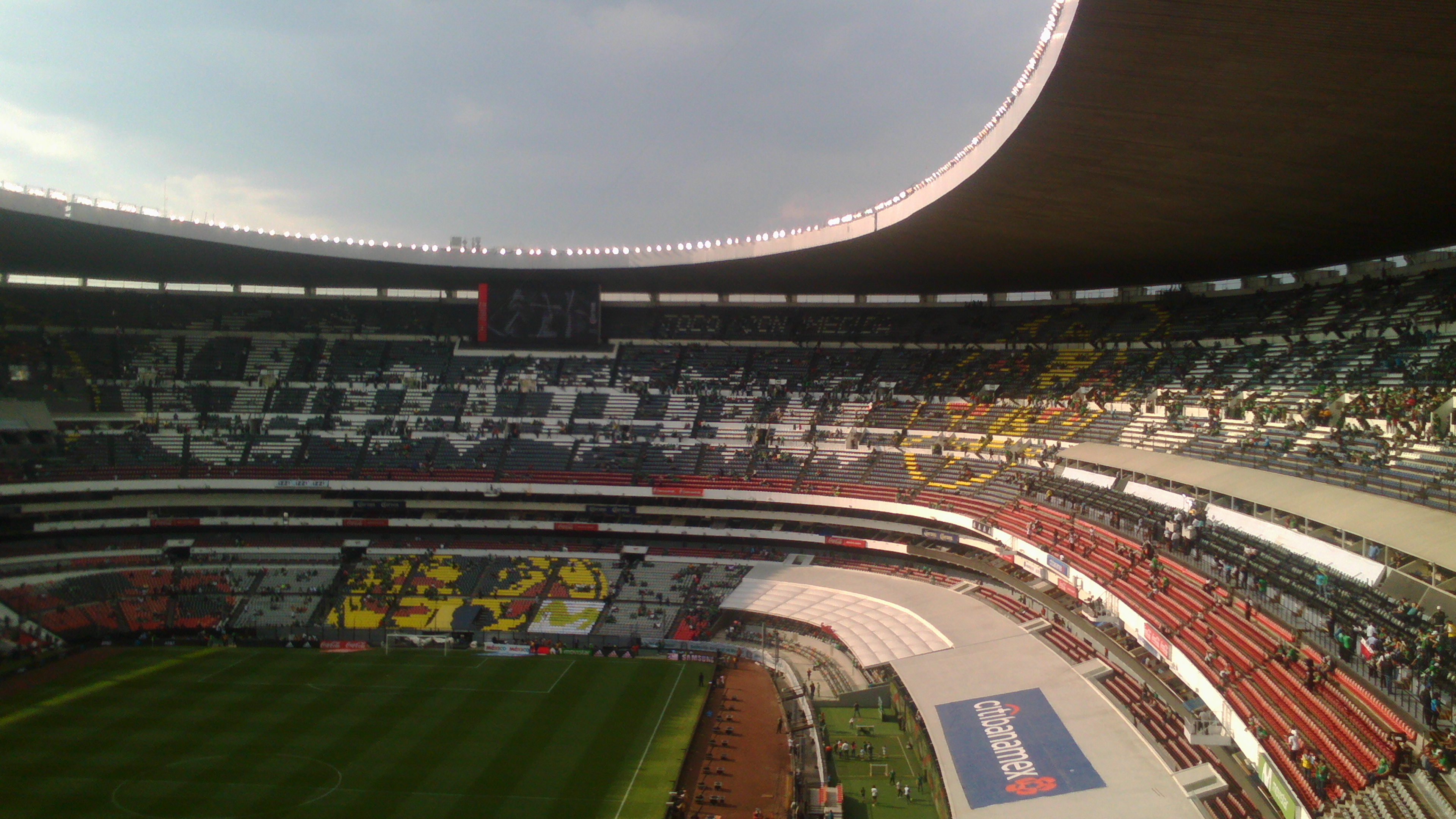
Mexican security forces deployed hundreds of personnel and physical barriers to prevent CNTE teacher protesters from reaching Estadio Ciudad de México [1, 4].
The operation comes as the government seeks to ensure the security of the venue and prevent disruptions during the start of the 2026 World Cup. Because the tournament is a global event with significant economic and diplomatic stakes, the Mexican government is prioritizing the prevention of any incidents that could interfere with the tournament's opening.
Security measures include the closure of roads and the strategic placement of trucks to serve as barriers [1, 2]. In the Calzada de Tlalpan area, authorities installed containment fences that measure 1.30 meters [3]. Other metal barriers used in the operation are reported to be more than two meters high [1], while some stadium containment walls reach 2.43 meters [1].
The deployment involves a coordinated effort between the police, the National Guard, and the army [1, 2]. These forces were positioned approximately 48 hours before the World Cup inauguration in May 2026 [1, 5].
The Coordinadora Nacional de Trabajadores de la Educación, known as the CNTE, has a history of organizing mass demonstrations and blockades. By sealing off the perimeter of the stadium and restricting access to the surrounding Tlalpan zone, the government aims to neutralize the group's ability to stage a high-visibility protest during the international spotlight of the tournament [1, 3].
Officials said the operation is necessary to guarantee the safety of the facility, and the attendees [1, 2]. The heavy presence of security forces reflects the state's determination to maintain order regardless of the social unrest caused by the teachers' demands.
“Authorities used metal barriers and hundreds of personnel to keep CNTE protesters away.”
This escalation highlights the tension between Mexico's domestic labor disputes and its obligations as a World Cup host. By utilizing the army and National Guard to block the CNTE, the government is prioritizing the image of stability and security for the international community over the protesters' right to assembly in the capital.


