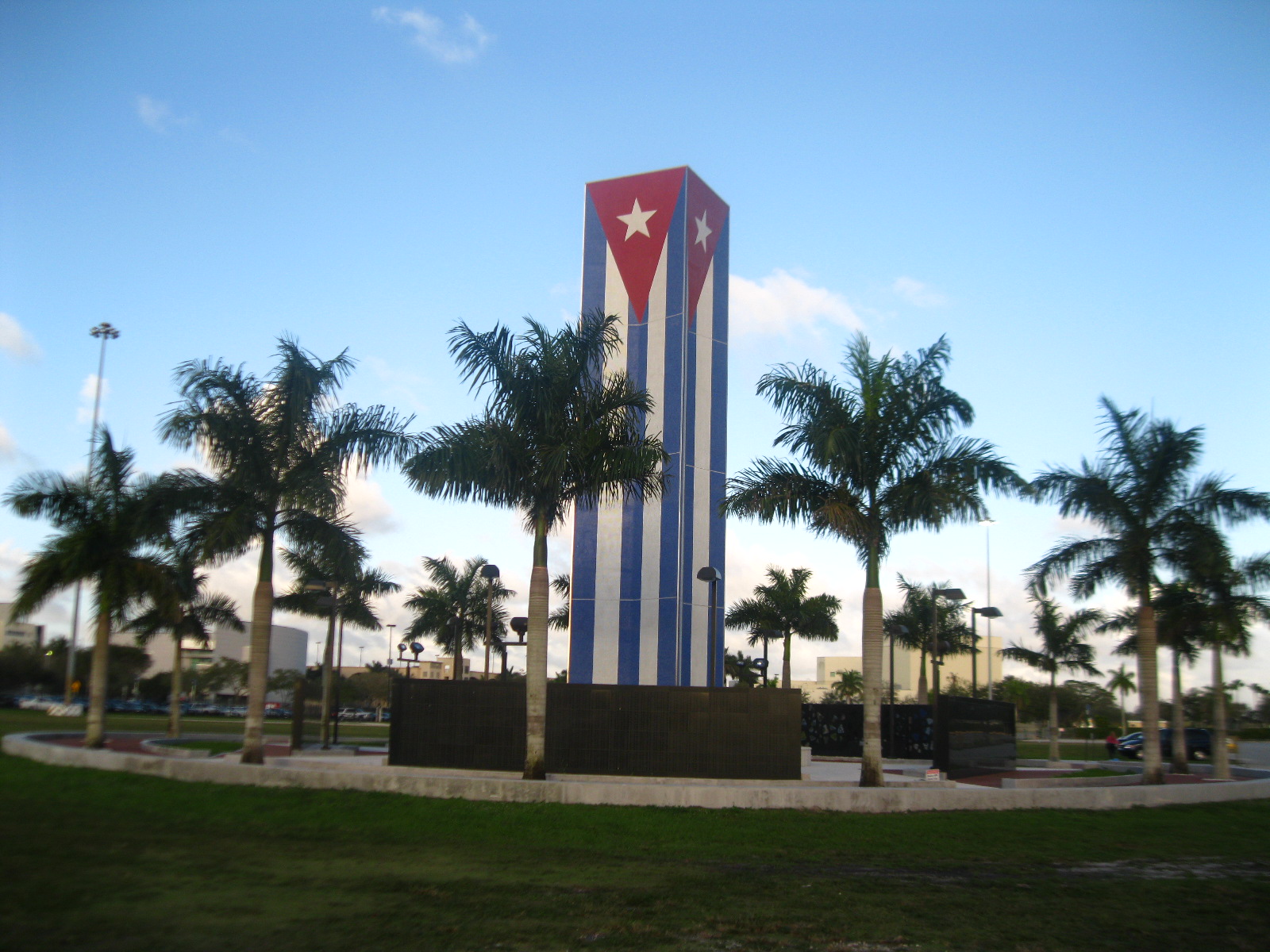
Cuban exiles in Miami celebrated a formal U.S. accusation against former President Raúl Castro on Wednesday morning [1].
The legal action represents a symbolic victory for the Cuban diaspora, which views the filing as a strong message to the current regime in Havana [1, 2].
The criminal complaint centers on the 1996 downing of two light aircraft operated by the group "Hermanos al Rescate" [3]. According to the filing, the incident resulted in the deaths of four people [3].
Gatherings in South Florida saw members of the exile community reacting to the news with optimism. Many participants viewed the move as a long-awaited acknowledgment of the events that took place in 1996 [3].
The incident involving the two aircraft [3] has remained a point of contention between the U.S. and Cuba for decades. By naming Raúl Castro in a formal legal capacity, the U.S. government targets the leadership responsible for the military operation that intercepted the planes [1, 2].
Exiles in Miami said the move provides a sense of justice for the victims and their families. They said that the legal process will highlight the history of human rights violations associated with the Castro administration [1, 2].
While the practical likelihood of Raúl Castro facing a U.S. courtroom remains low, the community emphasized that the act of filing the charges is a blow to the prestige of the Cuban government [2].
“The US filed a criminal complaint against the former president for the 1996 downing of two aircraft.”
This legal maneuver serves primarily as a diplomatic and psychological tool rather than a guaranteed path to incarceration. By formally accusing a former head of state for the deaths of four people in 1996, the U.S. reinforces its stance on human rights and maintains pressure on the Cuban government, while providing the Miami exile community with a tangible sense of legal vindication.


