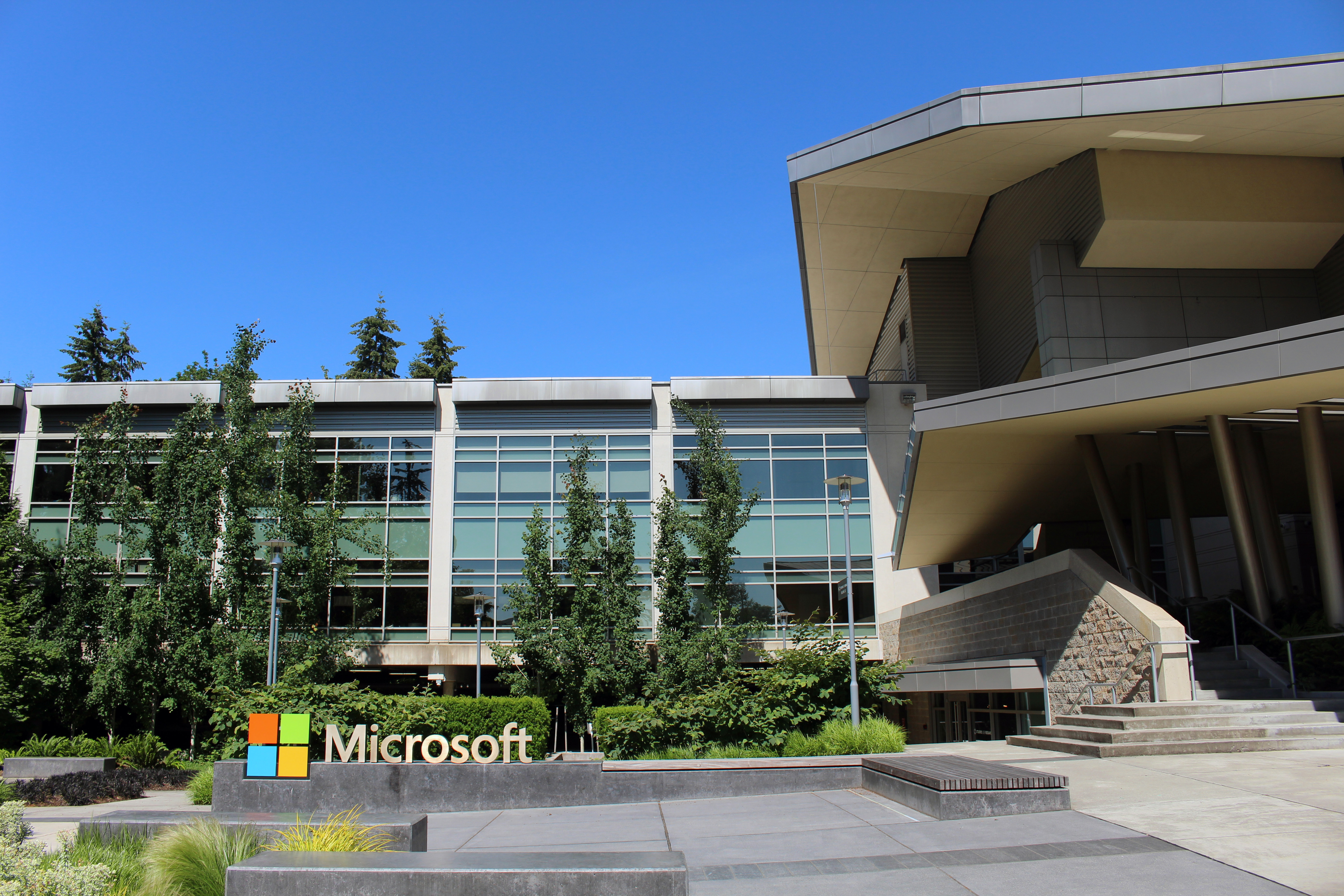
Microsoft announced it will raise prices on many of its devices worldwide due to a shortage of critical memory and storage chips [1].
This move signals a growing instability in the global hardware supply chain. As artificial intelligence integrates deeper into consumer electronics, the competition for limited semiconductor components is driving up costs for the largest tech firms.
The price increases follow a similar move by Apple, with Microsoft announcing its hikes less than 24 hours after the Apple announcement [3]. The company said that the cost increases affect a wide range of its product lineup across global markets [1, 4].
Industry analysts point to a surge in demand for high-performance memory and storage. This demand is primarily driven by the expansion of AI data centers and the proliferation of AI-capable consumer electronics [1, 2, 5]. These facilities require massive amounts of specialized chips to process large language models and generative AI tasks, a need that is currently outpacing production capacity [5].
Because these same components are used in personal computers and gaming consoles, the shortage has created a ripple effect. Microsoft's hardware, including Xbox consoles and Surface devices, relies on these specific chipsets to function [3].
The company did not specify the exact percentage of the price increases for individual items. However, the trend reflects a broader market shift where AI infrastructure is prioritizing industrial-scale hardware over consumer-grade devices [2, 4].
“Microsoft announced it will raise prices on many of its devices worldwide”
The simultaneous price hikes by Microsoft and Apple suggest that the AI boom is creating a 'crowding out' effect in the semiconductor market. When data centers purchase vast quantities of memory and storage to power AI, the available supply for consumer hardware drops, forcing manufacturers to either absorb the cost or pass it to the consumer. This indicates that AI's economic impact is moving beyond software subscriptions and into the physical cost of owning hardware.


