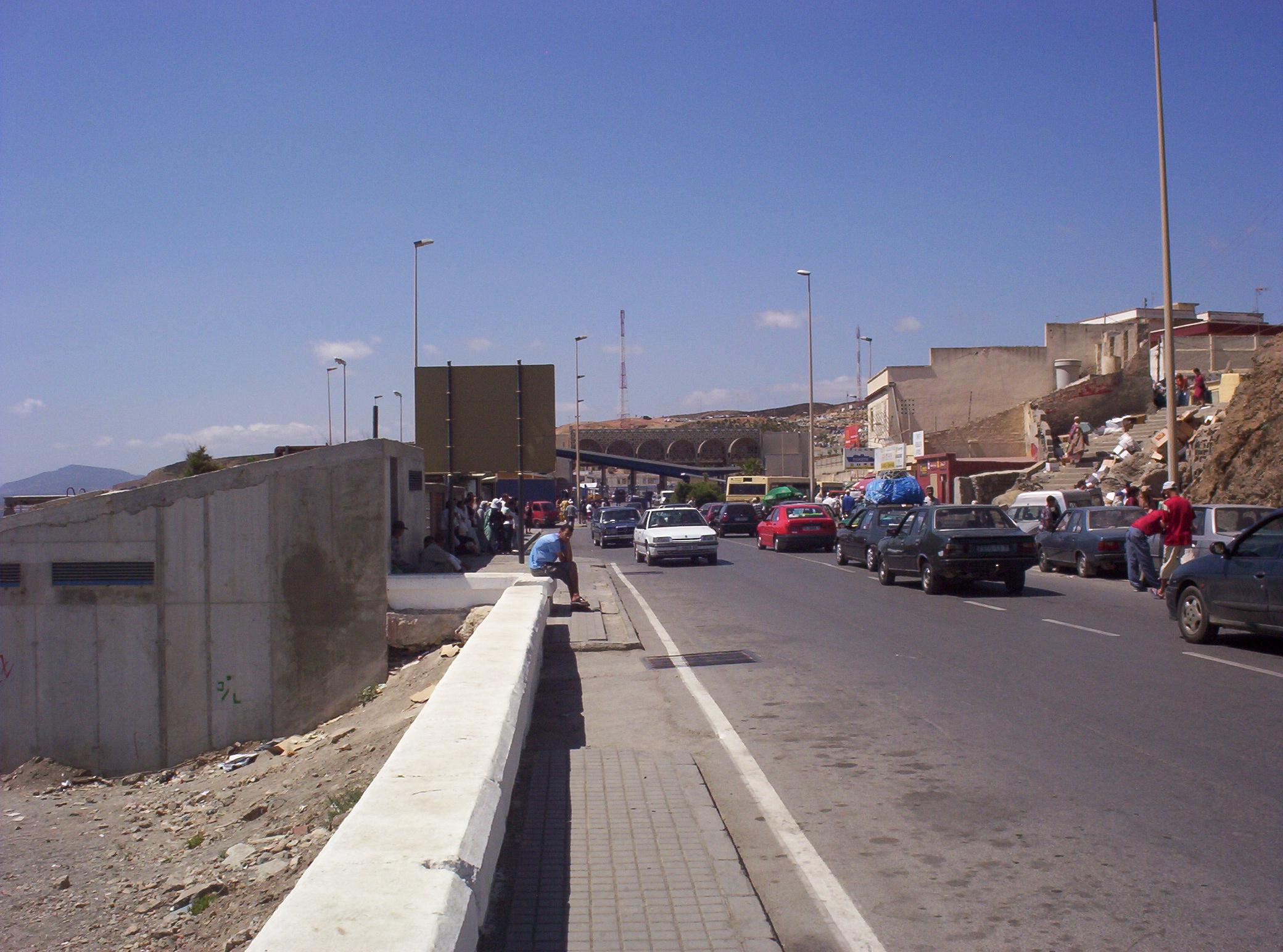
Thousands of migrants crossed from Morocco into the Spanish enclave of Ceuta on July 30 [1].
The surge represents a significant breach of border security and a humanitarian crisis in a strategic Mediterranean outpost. Local leaders have requested a national emergency to manage the influx of people seeking entry into Europe.
Spanish authorities responded by deploying military forces to the frontier to regain control of the border [2]. The crossing was marked by chaos as large crowds attempted to enter the enclave. Officials said that at least nine migrants died during the crossing [3].
Ceuta is a Spanish territory located on the coast of North Africa, separated from Morocco by a heavily fortified fence. The sudden movement of thousands of people overwhelmed local security measures and prompted urgent calls for federal assistance from the Spanish government [4].
The situation has drawn international attention as Spain attempts to balance border enforcement with the immediate needs of those who breached the perimeter. Military personnel remain on site to prevent further unauthorized entries, and to coordinate with local law enforcement [2].
Local officials said that the scale of the breach required more resources than the enclave's municipal services could provide. The request for a national emergency was intended to unlock additional funding and personnel to process the migrants and secure the perimeter [4].
“At least nine migrants died during the crossing”
The mass breach at Ceuta highlights the ongoing volatility of migration routes between North Africa and Europe. The deployment of the Spanish military and the request for a national emergency suggest that existing border infrastructure is insufficient to handle large-scale, coordinated surges, potentially straining diplomatic relations between Spain and Morocco.


