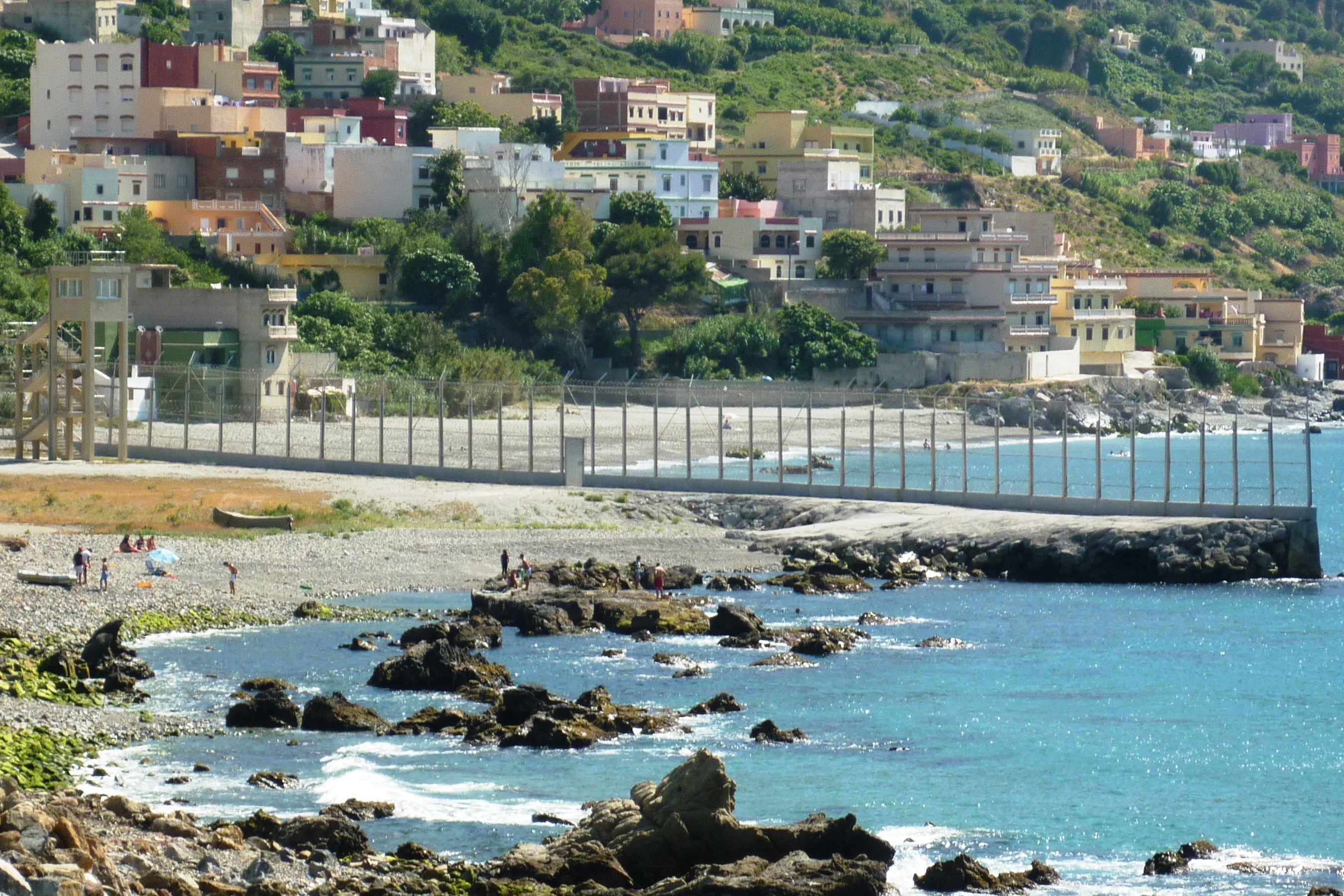
Migrants from Morocco entered the Spanish enclave of Ceuta in a sudden surge late July 2026 [1, 2].
The event has intensified political tensions within Spain and across Europe, as right-wing parties use the influx to challenge current border security policies. This surge highlights the fragile nature of border management in North African territories and the volatility of regional migration patterns.
Spanish officials are managing the arrival of migrants at the border of the enclave, which sits on the North African coast [1, 2]. The sudden movement of people into the territory has prompted reactions from political figures who said the situation is a failure of immigration control [1, 2].
Right-wing political parties have been vocal in their criticism of the Spanish government's response [1, 2]. These groups said the event is a significant security failure, arguing that the current infrastructure and policy frameworks are insufficient to prevent such surges [1, 2].
While officials continue to process those who entered the enclave, the political fallout suggests a broader debate over European border integrity. The situation in Ceuta often serves as a barometer for migration pressures between Africa and Europe, a dynamic that continues to influence national elections and policy shifts in Spain.
The Spanish government has not provided a specific number of arrivals in the immediate reports, but the scale was sufficient to trigger a coordinated political response [1, 2].
“Migrants from Morocco entered the Spanish enclave of Ceuta in a sudden surge.”
The surge into Ceuta underscores the strategic vulnerability of Spanish exclaves in Africa. By framing the influx as a security failure, right-wing parties are leveraging the event to push for more restrictive immigration laws and increased militarization of borders, reflecting a wider trend of securitization in European migration policy.


