A malware campaign known as WeedHack has infected more than 116,000 [1] Minecraft systems since January.
This breach highlights the vulnerability of gaming communities to social engineering, as attackers exploit the desire for competitive advantages to compromise personal devices. By disguising malicious code as legitimate software, the campaign bypassed traditional caution among a demographic often targeted by cybercriminals.
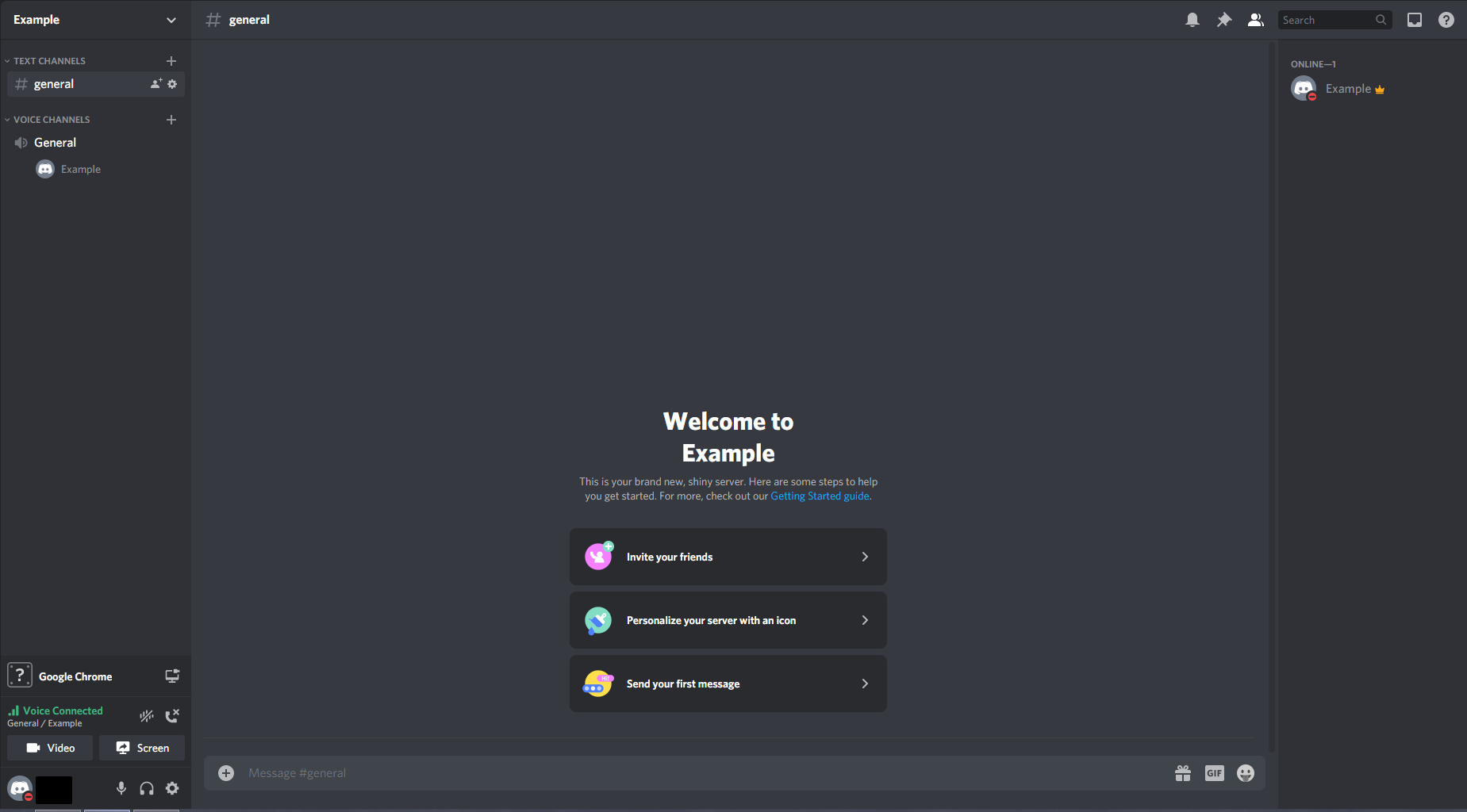
The WeedHack operation targeted players through the distribution of fake Minecraft mods, cheats, and custom clients [1], [2]. These files were primarily shared within Discord servers and various gaming community channels [2]. Once installed, the malware compromises the host system, allowing the operators to execute unauthorized commands or steal data.
Security researchers identified the campaign as part of a larger malware-as-a-service operation [3]. In this business model, developers create the malicious infrastructure and sell access to other cybercriminals who then carry out the distribution and data theft. This approach allows the primary developers to scale their reach while remaining insulated from the direct distribution of the files.
The scale of the infection, reaching over 116,000 [1] systems, demonstrates the effectiveness of using niche community hubs like Discord for malware propagation. Because users often trust recommendations from fellow community members or perceived "experts" in modding, they are more likely to disable security warnings to install third-party software.
Gaming clients and mods often require deep system permissions to function, which provides an ideal cover for malware to embed itself into the operating system. The WeedHack campaign leveraged this trust to infiltrate a vast number of systems across the global Minecraft player base.
“A malware campaign known as WeedHack has infected more than 116,000 Minecraft systems since January.”
The WeedHack campaign illustrates a shift toward specialized malware-as-a-service targets, where attackers move away from general phishing toward high-trust, niche ecosystems. By leveraging Discord and the modding community, attackers can bypass traditional email filters and security software. This suggests that gaming platforms and community-led distribution channels are becoming primary vectors for large-scale system compromises.