
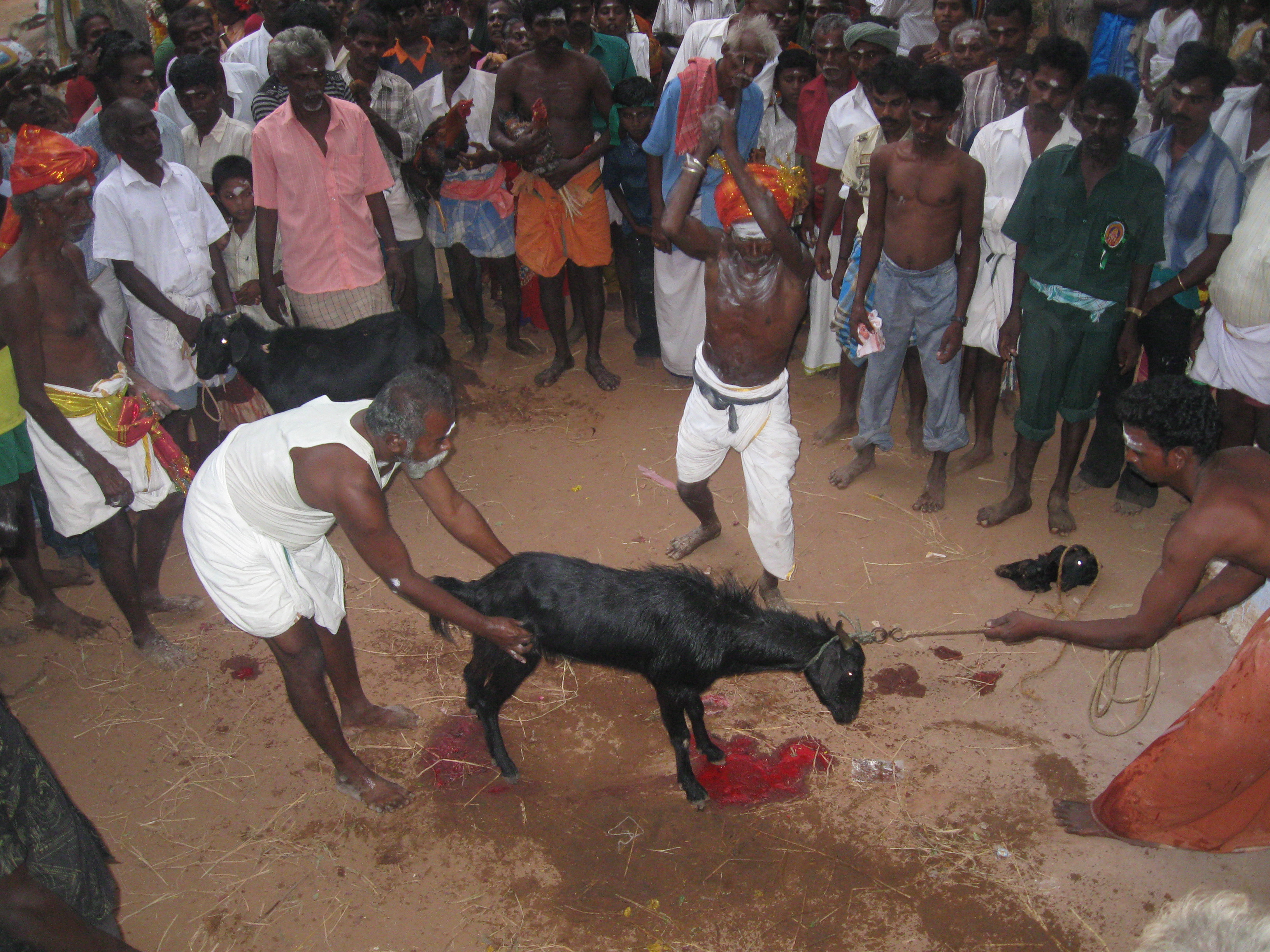
Clashes erupted at the Srishti Complex in Mira Road after residents and Hindu groups protested the presence of goats for Bakrid animal sacrifice [1].
The dispute highlights a growing conflict between religious practices and municipal residential regulations in urban housing societies. As these complexes become more densely populated, the legality of performing traditional rituals within shared spaces often leads to communal friction.
The incident occurred in the Poonam Cluster area of the Thane district [1]. Residents of the Srishti Complex objected to the placement of goats and the construction of a temporary shed intended for the sacrifice [2]. Those opposing the activity said the practice violates municipal regulations that forbid such activities within residential properties [3].
In response, Hindu groups and political figures intervened. VHP leader Nagnath Kamble and BJP leader Kirit Somaiya joined the protests against the sacrifice [1]. Reports indicate that the situation escalated into clashes, during which Nagnath Kamble was allegedly attacked [1].
Police were deployed to the area to maintain order and prevent further violence [2]. The conflict has sparked a wider legal debate regarding whether animal sacrifice inside a housing society is legal under current law [1]. While some residents argue that municipal codes take precedence to ensure sanitation and peace, others argue for the protection of religious rights [3].
Local authorities have not yet issued a final ruling on the legality of the specific shed at the Srishti Complex, but the presence of law enforcement remains a priority to prevent further escalation between the opposing groups [2].
“Clashes erupted at the Srishti Complex in Mira Road after residents and Hindu groups protested the presence of goats.”
This incident reflects the systemic tension in Indian urban centers where traditional religious observances clash with the rigid bylaws of modern housing societies. The involvement of political leaders from the BJP and VHP suggests that local administrative disputes over sanitation or zoning can quickly evolve into broader communal and political confrontations.


