
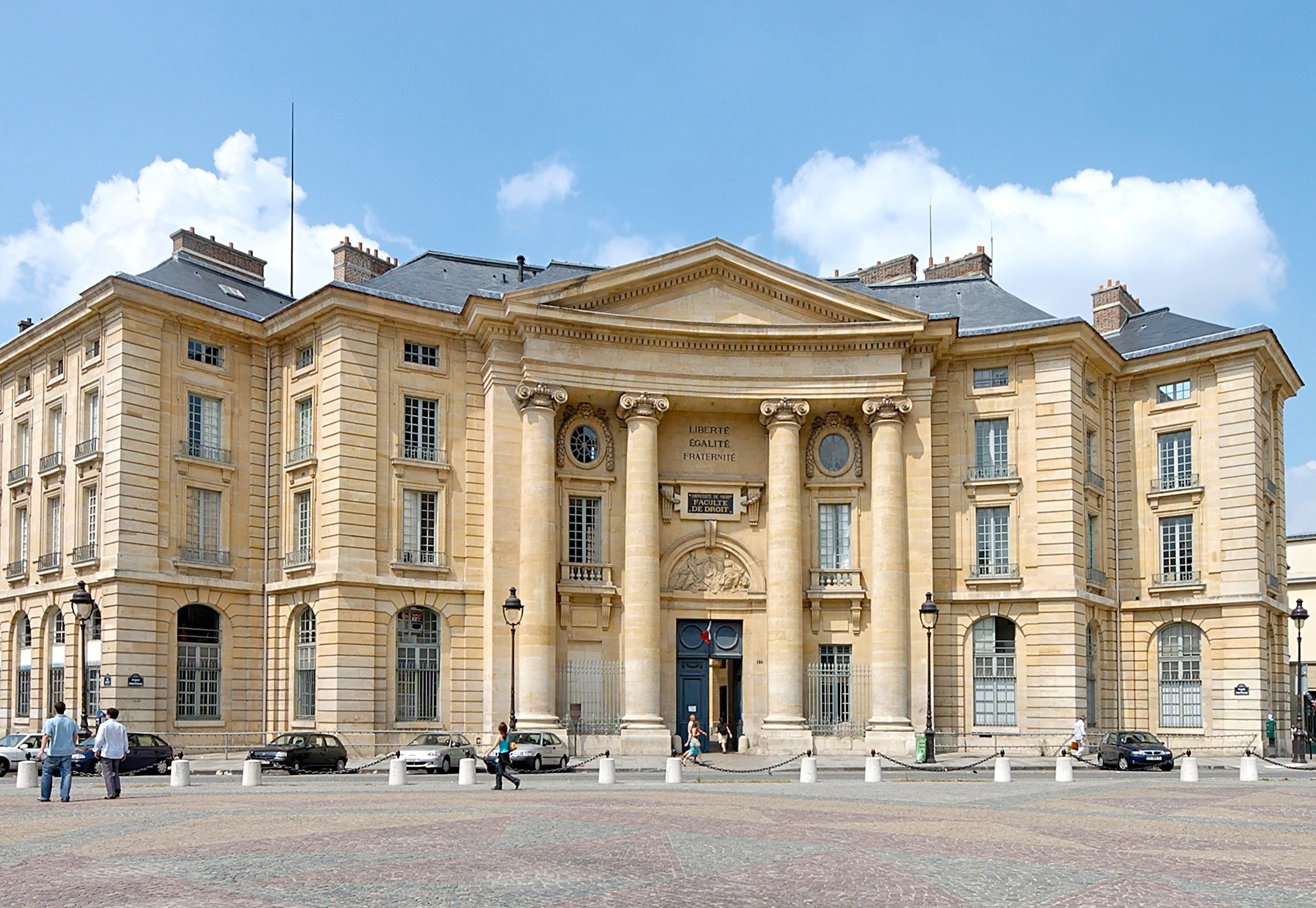
Philosopher Miranda Fricker said public trust in epistemic processes has eroded during a conference in Paris this week [1].
The decline of trust in how knowledge is shared and validated threatens the stability of public discourse. By addressing these failures, scholars aim to identify why certain voices are systematically ignored or discredited in professional and social settings.
Fricker, the Julius Silver Professor of Philosophy at New York University and co-director of the New York Institute of Philosophy, spoke at a two-day conference [2] hosted by Sciences Po University [1]. She said the ongoing importance of addressing epistemic injustice, a concept she introduced 20 years ago [3].
Epistemic injustice occurs when a person is wronged specifically in their capacity as a knower. This can happen through testimonial injustice, where a speaker is given less credibility due to prejudice, or hermeneutical injustice, where a gap in collective understanding prevents a person from making sense of their own experience.
During her discussion in Paris, Fricker said that trust has been eroded. This erosion complicates the ability of societies to reach a shared understanding of truth and fact, a challenge that has intensified since the original framework of epistemic injustice was developed [1].
The conference served as a forum to examine how these philosophical frameworks apply to modern crises of credibility. Fricker said the relevance of her work persists because the structural barriers that marginalize specific groups of people remain embedded in institutional practices [1].
“Trust has been so eroded”
The erosion of epistemic trust suggests that the crisis of 'fake news' and polarization is not merely a technical failure of information delivery, but a systemic failure of credibility. When marginalized groups are consistently denied the status of reliable knowers, the overall quality of public knowledge diminishes, making collective problem-solving more difficult.


