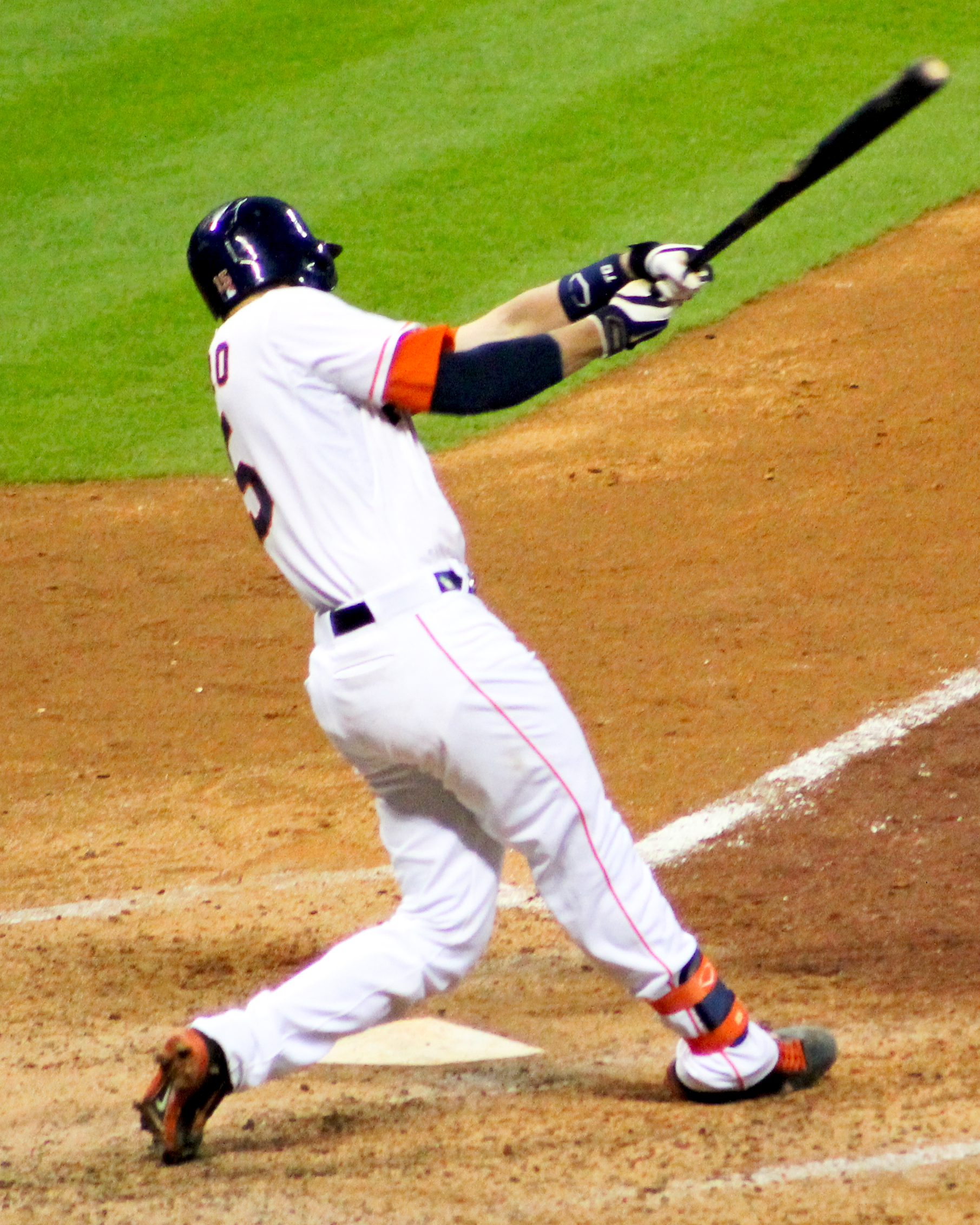
Former MLB pitcher and analyst CC Sabathia said the automated ball-strike challenge (ABS) system is fundamentally altering how hitters approach the plate.
This shift in player behavior matters because it indicates that technology is not only changing how strikes are called but also how athletes physically interact with the game. By altering the perceived strike zone, the ABS system is forcing a tactical evolution in offensive strategies.
Sabathia said these changes as the 2026 MLB season reached its quarter mark [1]. According to his analysis, hitters are now covering more distance at the plate than they have in previous eras. This increase in movement is a direct response to the precision and consistency of the automated system.
Players are reportedly taking longer strides to adjust their positioning relative to the automated zone. This physical adjustment allows hitters to better track pitches that the ABS system may categorize as strikes, which often differ from the subjective interpretations of human umpires.
The trend suggests that offensive players are prioritizing reach and coverage to counteract the rigid boundaries of the electronic system. Sabathia said the impact on offense is becoming increasingly evident as teams gather more data on the system's tendencies.
As the league progresses through the first 25% of the season [1], the ability to adapt to these mechanical calls has become a primary focus for coaching staffs. The shift toward more expansive movement at the plate reflects a broader attempt to regain a competitive edge against a standardized strike zone.
“Hitters are now covering more distance at the plate than they have in previous eras.”
The adoption of the automated ball-strike challenge system represents a transition from human judgment to algorithmic precision in baseball. When players change their physical mechanics—such as stride length and plate coverage—to accommodate a machine, it suggests that the 'human element' of the strike zone is being replaced by a mathematical constant that teams must solve for through physical adaptation.