
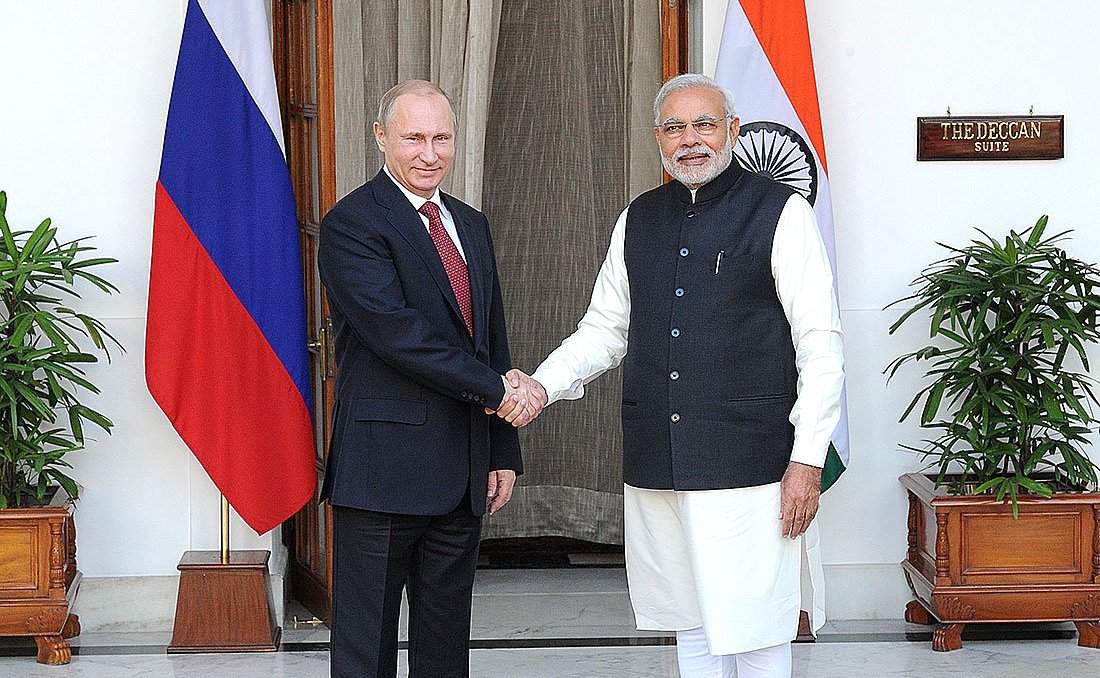
Prime Minister Narendra Modi has completed a historic 12-year tenure [1], marking more than 4,399 days in office [2].
This milestone establishes Modi as the longest-serving elected Prime Minister in consecutive terms in India. The longevity of his leadership underscores a period of significant political continuity and consolidation of power within the country.
To mark the occasion, the Union Cabinet met in New Delhi and passed a formal resolution to acknowledge the milestone [2]. This legislative gesture recognizes the duration of his leadership and the administrative reach of his government over more than a decade.
Celebrations accompanying the anniversary extended beyond the capital, with events held at various temples across the country [2]. These gatherings linked the political milestone with cultural and religious observations, reflecting the Prime Minister's public image.
While the resolution focused on the tenure length, the timing of the announcement has drawn attention to the internal structure of the government. Reports said the milestone coincides with considerations for a possible cabinet reshuffle [1].
Such a reorganization would allow the Prime Minister to adjust his leadership team as he enters this new phase of his premiership. The potential shift in personnel suggests a strategic realignment of priorities for the government's next chapter.
Modi's tenure of 12 years [1] represents a record-breaking stretch of consecutive elected leadership. The government has used this occasion to highlight the stability of the current administration, and its influence on national policy.
“Modi has completed a historic 12-year tenure”
The formal recognition of Modi's 12-year tenure serves as both a symbolic victory and a strategic pivot. By anchoring the milestone in a Union Cabinet resolution and nationwide cultural celebrations, the administration reinforces its legitimacy and historical legacy. Furthermore, the link between this anniversary and a potential cabinet reshuffle suggests that the government is using the milestone to justify a transition in leadership roles to maintain political momentum.


