
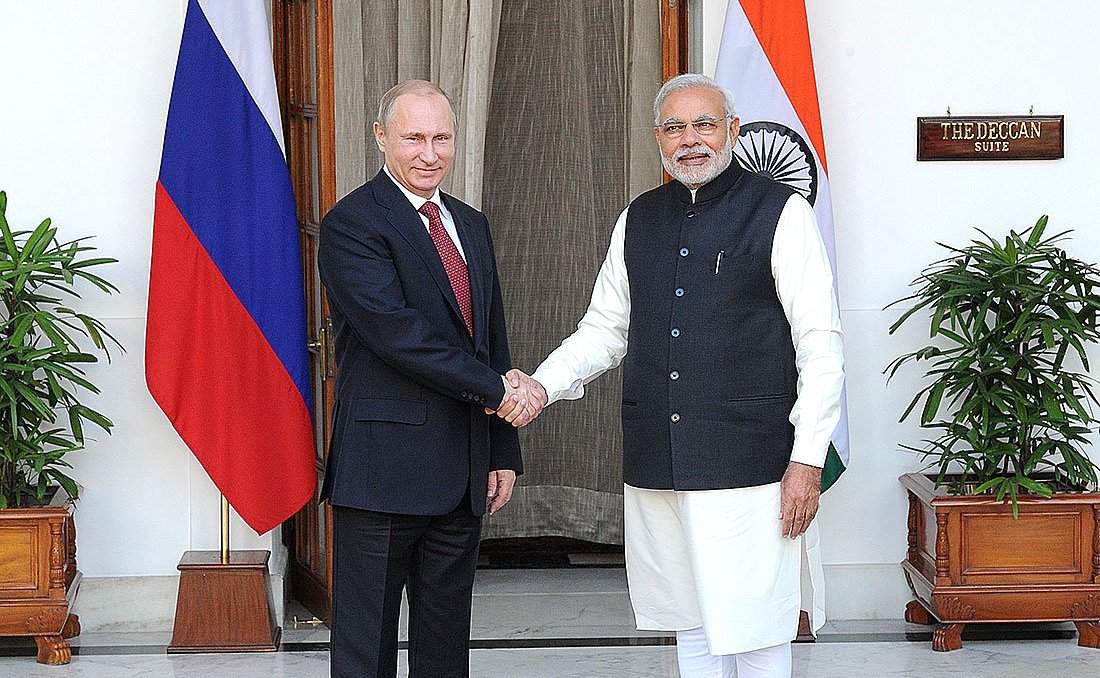
Prime Minister Narendra Modi completed 12 years in office on June 10, 2026, becoming the longest-serving elected Prime Minister in India's history.
This milestone represents a significant consolidation of power for the Bharatiya Janata Party (BJP) and its allies. The longevity of the administration allows the government to cement long-term development and welfare reforms as the defining legacy of the current era.
Modi marked the occasion during an NDA chief-ministers' conclave held at the Bharat Mandapam venue in Delhi [1], [2]. The event served as a platform to highlight the government's achievements in reform and welfare, including flagship economic schemes such as the Ujjwala Yojana, Mudra Yojana, and Jan Dhan Yojana [3], [4].
During the proceedings, Suvendu Adhikari served the popular Bengali snack 'jhalmuri' to Prime Minister Narendra Modi [5]. This gesture occurred amidst a high-level meeting designed to coordinate the efforts of the National Democratic Alliance (NDA) leaders [2].
Kiren Rijiju said Modi is a "once-in-a-century leader" [6]. The celebration coincided with the launch of a nationwide outreach campaign by the BJP to communicate the impact of the government's 12-year tenure to the public [7].
According to official records, the Prime Minister has spent 4,399 consecutive days in office [8]. This duration surpasses previous elected leaders in the country's democratic history [8].
The gathering in Delhi emphasized the synergy between the central government and the various state-level NDA administrations. By focusing on the 4,399-day mark, the administration is framing its tenure as a period of unprecedented stability and continuous growth [8].
“"once-in-a-century leader"”
The 12-year milestone signifies a shift in India's political landscape, where the BJP has successfully moved from being a dominant party to establishing a long-term institutional era. By linking the anniversary to a nationwide outreach campaign and a gathering of chief ministers, the government is attempting to synchronize state and federal narratives of development ahead of future electoral cycles.


