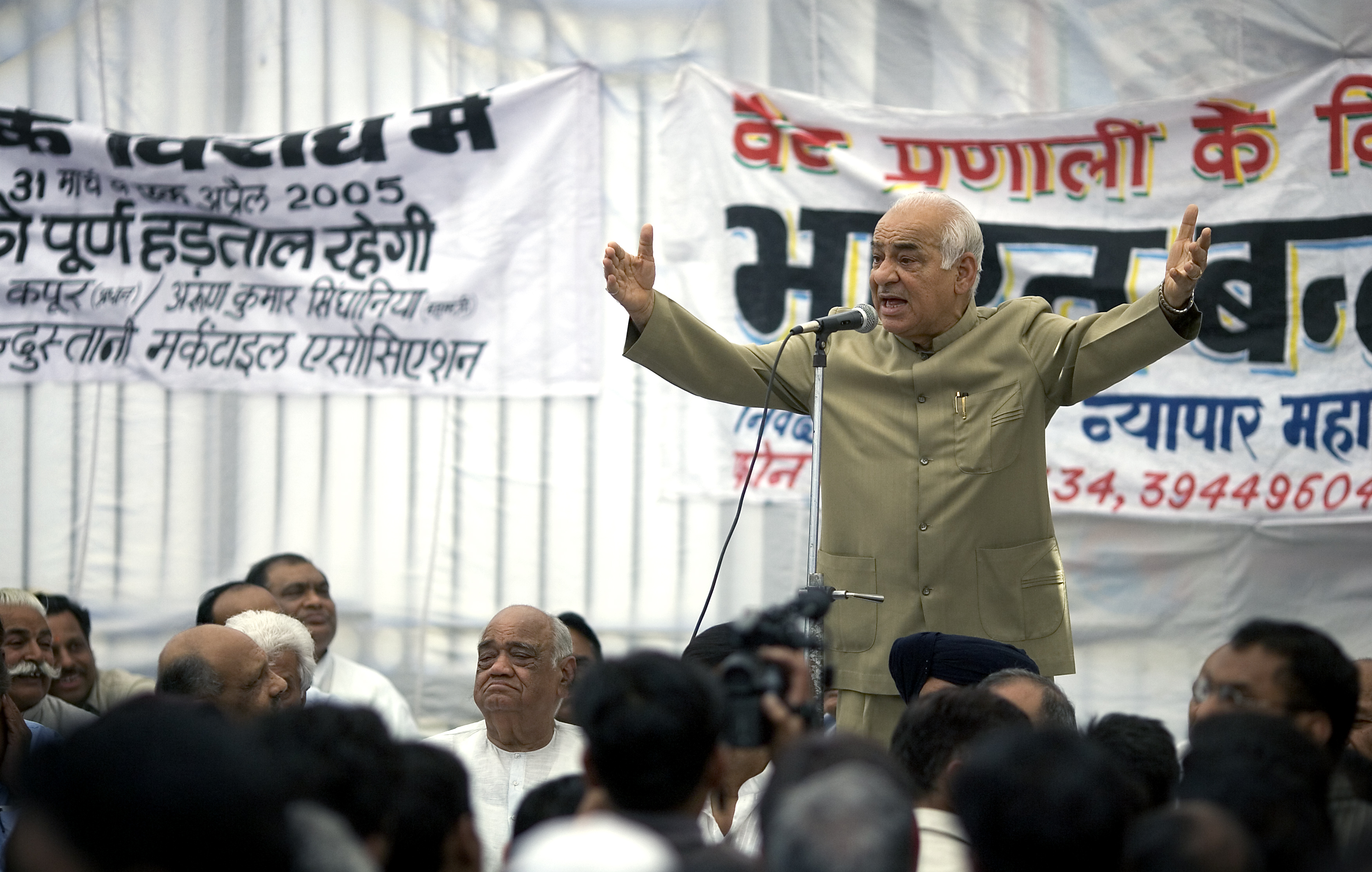
Prime Minister Narendra Modi delivered a national address after the Constitution (131st Amendment) Bill, 2026 [1] failed to clear the Lok Sabha.
The failure of the bill marks a significant legislative setback for the administration, signaling a lack of parliamentary majority for this specific constitutional change.
Speaking to the country the day after the vote, Modi focused on the determination of his government despite the numerical defeat in the lower house. The address sought to rally public support and maintain political momentum after the legislative body rejected the proposed amendment [1].
During the broadcast, the Prime Minister addressed the gap between the government's legislative goals and its current parliamentary standing. "We may not have numbers, but we have resolve," Modi said [1].
The Constitution (131st Amendment) Bill, 2026 [1] was intended to alter the nation's foundational legal framework. Its defeat in the Lok Sabha prevents the bill from advancing further in the legislative process, as the government failed to secure the necessary votes to pass the measure [1].
Modi did not provide a specific timeline for new legislative attempts during the address. He instead emphasized a commitment to the objectives of the failed bill, suggesting that the government's resolve remains intact despite the setback in the Lok Sabha [1].
“"We may not have numbers, but we have resolve."”
The defeat of the 131st Amendment Bill indicates a shift in the parliamentary landscape, where the ruling administration can no longer guarantee the passage of major constitutional changes. By framing the loss as a matter of 'resolve' rather than a legislative failure, the Prime Minister is attempting to pivot the narrative from a loss of political power to a test of political will.


