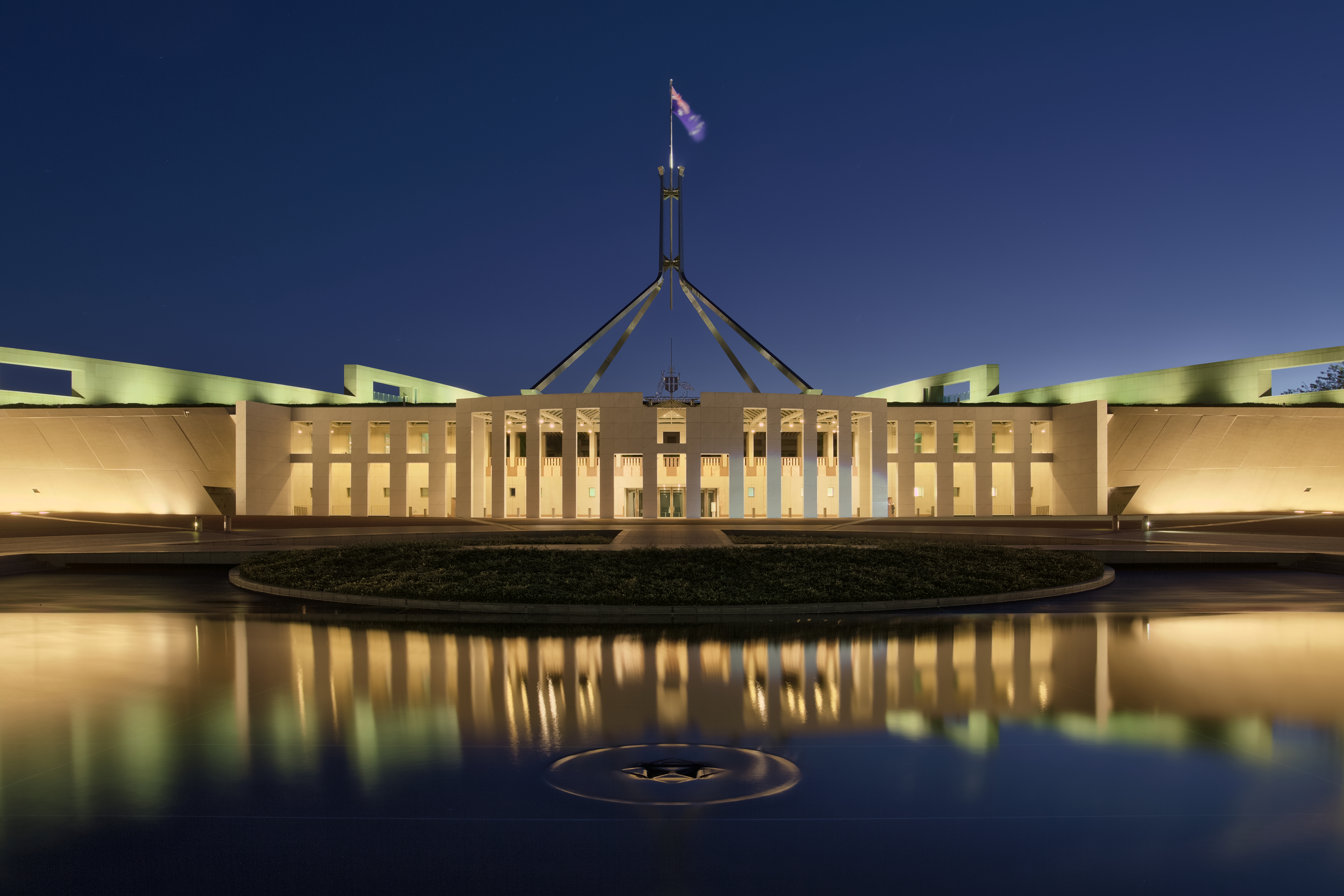
Indian Prime Minister Narendra Modi and Australian Prime Minister Anthony Albanese are meeting in Canberra to discuss uranium supply and defence cooperation.
This diplomatic engagement aims to strengthen the India-Australia Comprehensive Strategic Partnership. The talks focus on stabilizing regional security and addressing India's energy needs through nuclear fuel agreements, which are critical for long-term strategic alignment in the Indo-Pacific.
Modi is visiting as part of a three-nation Indo-Pacific tour scheduled from July 6 to July 11, 2026 [1]. During this visit, the two leaders will co-chair the third Annual India-Australia Strategic Summit [2]. The agenda includes maritime security, trade, and broader strategic cooperation to ensure regional stability [3].
A primary focus of the bilateral talks is the establishment of a uranium supply agreement [3]. Australia possesses significant uranium reserves, and securing a steady supply is a priority for India's nuclear energy sector. This cooperation is viewed as a cornerstone of the deepening ties between the two nations.
Beyond energy, the leaders are addressing defence and maritime security [3]. Both nations seek to enhance their interoperability and shared intelligence to counter regional threats. These discussions are intended to reinforce a free and open Indo-Pacific region.
In addition to official government meetings, Modi is expected to engage with the Indian community. He will address thousands of members of the Indian diaspora in Australia [4]. This event highlights the cultural and people-to-people ties that underpin the political relationship between the two democracies.
The meetings in Canberra serve as a mechanism to synchronize the security architectures of both countries. By aligning on trade and defence, India and Australia aim to create a more resilient supply chain, and a more secure maritime environment.
“The talks focus on stabilizing regional security and addressing India's energy needs.”
The focus on uranium and defence indicates a shift toward a more formalized security and energy interdependence between India and Australia. By securing nuclear fuel and enhancing maritime cooperation, India reduces its energy vulnerability while Australia gains a more robust strategic partner to balance power dynamics in the Indo-Pacific.


