Indian Prime Minister Narendra Modi was welcomed by thousands of supporters in Melbourne on Thursday, July 9 [1].
The event signals a deepening strategic partnership between the two nations, focusing on critical minerals, clean energy, and defense cooperation to stabilize regional security and economic growth.
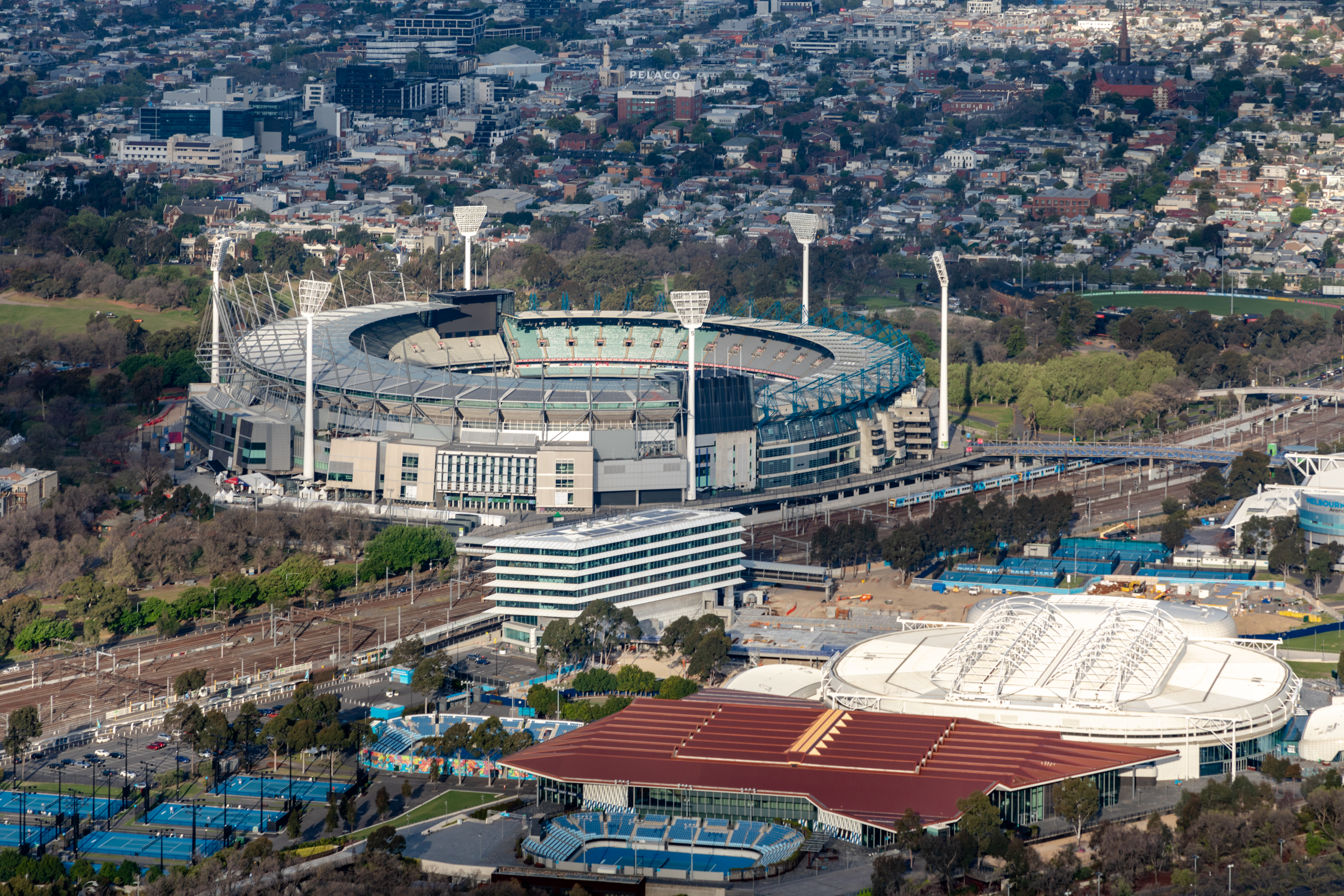
Approximately 20,000 people [1] gathered to greet Modi, who was joined by Australian Prime Minister Anthony Albanese. While one report placed the event at Marvel Stadium, other sources identified the venue as the Melbourne Cricket Ground [2, 3]. The gathering served as a platform to highlight the cultural and sporting bonds connecting the two countries.
During the event, Modi spoke about the influence of the Indian diaspora on global society. He said, "just as sugar sweetens milk, Indians integrate and sweeten societies globally" [1].
The diplomatic visit extended beyond cultural celebrations. The two leaders discussed bilateral cooperation regarding education, investment, and diplomatic ties [1, 4]. A significant highlight of the visit was the announcement of India's sporting ambitions on the global stage.
"We are proud to announce India's bid for the 2036 Olympics," Modi said [5].
The visit emphasized a shared vision for trade and critical minerals, areas where Australia and India seek to reduce reliance on third-party suppliers. The presence of the Indian diaspora in Melbourne provided a backdrop for the leaders to showcase a unified front in the Indo-Pacific region [1, 4].
“"just as sugar sweetens milk, Indians integrate and sweeten societies globally."”
This visit underscores a pivot toward a more robust security and economic architecture in the Indo-Pacific. By aligning on critical minerals and defense, India and Australia are positioning themselves as primary alternatives to existing supply chain monopolies. The announcement of the 2036 Olympic bid further signals India's intent to leverage its growing economic power to increase its soft-power influence and global diplomatic standing.