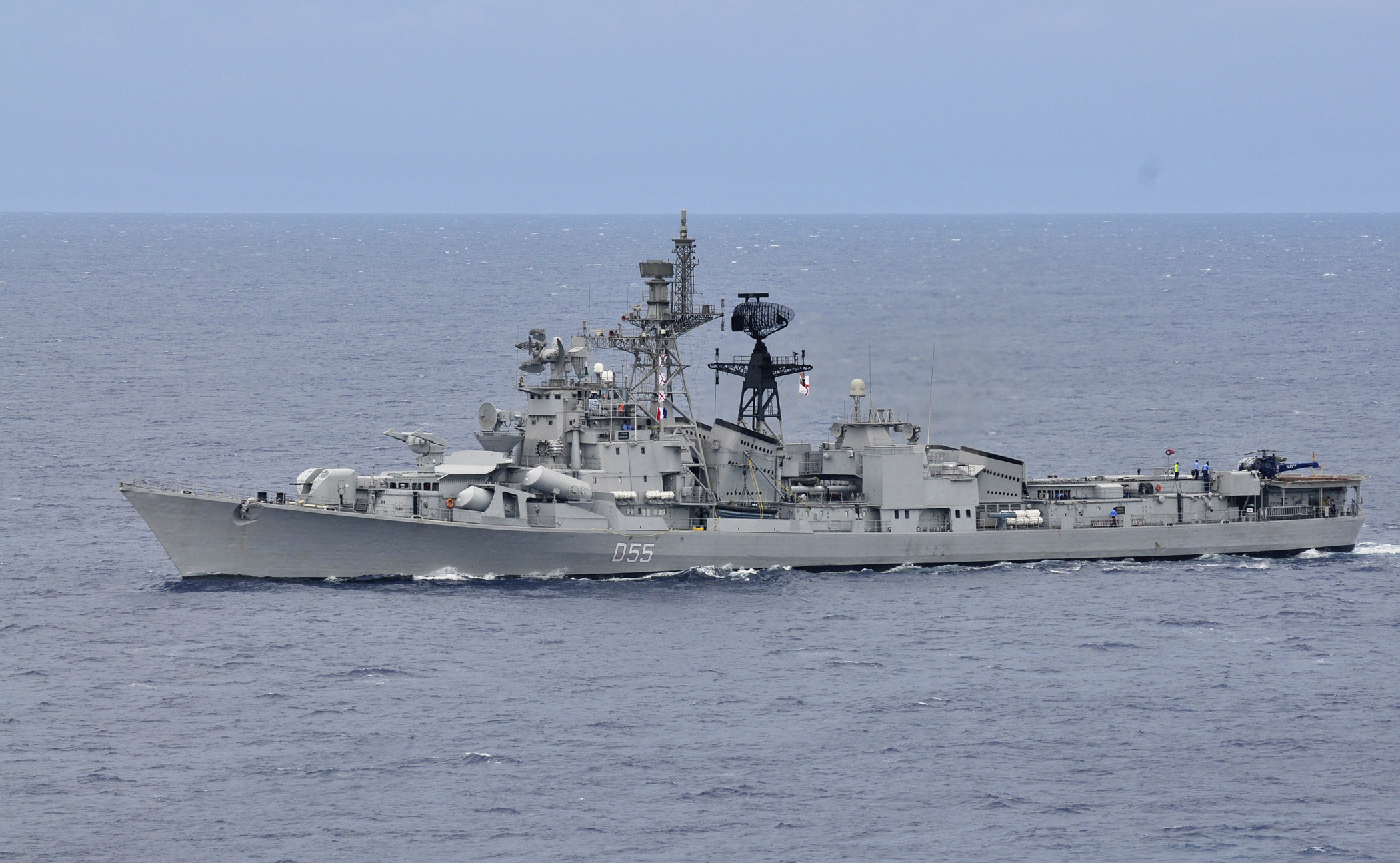
Prime Minister Narendra Modi is conducting a diplomatic mission through Australasia to realign global shipping lanes and counter Chinese maritime influence [1].
This strategic shift matters because it directly challenges the "String of Pearls," a Chinese policy aimed at expanding its maritime footprint across the Indian Ocean [1, 2]. By strengthening ties with Australia and New Zealand, India seeks to secure its economic interests and ensure the stability of the Indo-Pacific region [1, 2].
Central to this effort is the Mahasagar initiative, which India is utilizing to build a network of partnerships that can offset Chinese expansion [1]. The initiative focuses on enhancing maritime security and cooperation among nations bordering the Indian Ocean, effectively creating a counter-balance to China's infrastructure projects [1, 2].
India's approach involves projecting power through strategic diplomacy and naval cooperation [3]. The goal is to ensure that shipping routes remain open and are not dominated by a single power, a necessity for India's growing trade requirements [1, 2].
Officials said that the diplomatic tour of Australasia serves as a catalyst for this realignment [1]. By fostering deeper security bonds with nations in the South Pacific, India is expanding its reach beyond its immediate coastline to create a broader security architecture [1, 3].
This mission coincides with a broader Indo-Pacific strategy designed to protect sovereign interests against external encroachment [2]. The Mahasagar initiative represents a shift from a purely defensive posture to a proactive diplomatic and maritime strategy [1, 2].
“India uses the Mahasagar initiative to build a network of partnerships that can offset Chinese expansion.”
The competition between India's Mahasagar initiative and China's String of Pearls represents a fundamental struggle for maritime hegemony in the Indian Ocean. If India successfully realigns shipping lanes and secures Australasian partnerships, it could diminish China's ability to project power near the Malacca Strait, thereby increasing the strategic autonomy of several smaller littoral states in the region.