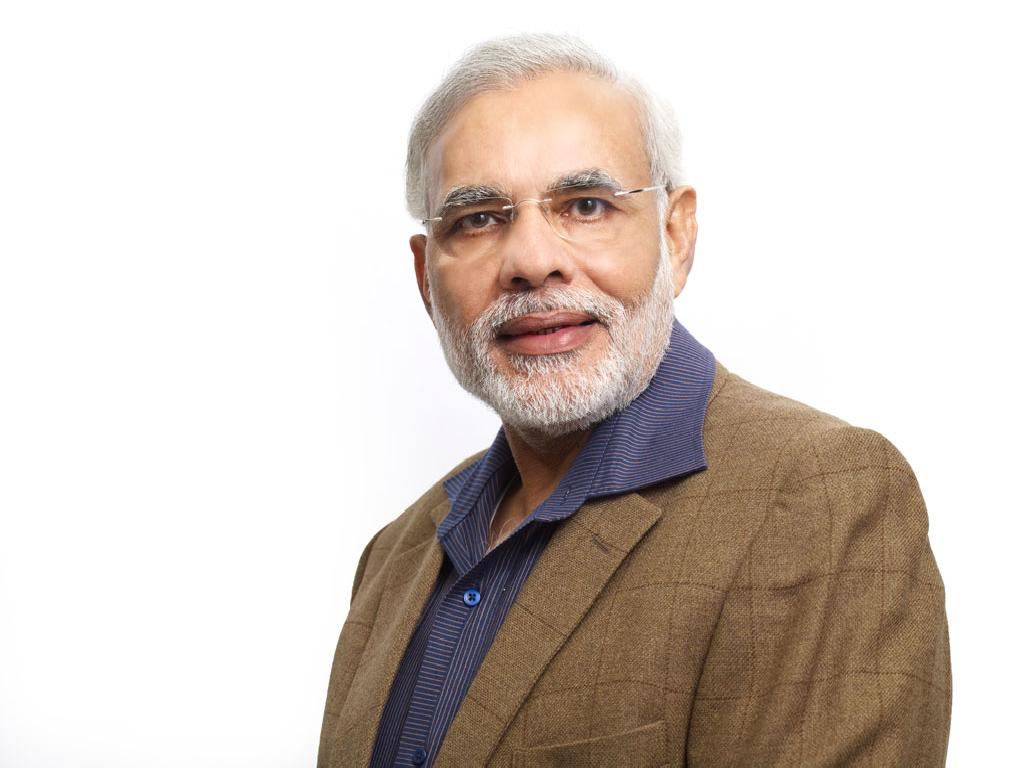
Prime Minister Narendra Modi dedicated India's first Greenfield Integrated Refinery-cum-Petrochemical Complex in Rajasthan on July 4, 2026 [2].
The project aims to strengthen India's energy security and industrial growth while supporting the ‘Make in India’ initiative by expanding domestic refining capacity. This strategic expansion is intended to create jobs and reduce reliance on imported petrochemicals.
The inauguration took place in Rajasthan, with reports placing the facility in either Balotra [2] or Pachpadra [1]. The refinery represents a significant shift toward integrated production, combining traditional fuel refining with the manufacturing of high-value petrochemicals in a single site.
Alongside the refinery, the prime minister launched a series of mega projects valued at Rs 1.06 lakh crore [1, 3]. These investments include the development of a new terminal at Jodhpur Airport and the introduction of the Modified UDAN scheme to improve regional air connectivity.
Government officials said the combined infrastructure push is designed to accelerate economic development in the region. By integrating the refinery with petrochemical production, the complex is expected to streamline the supply chain for various industrial materials.
The new terminal at Jodhpur Airport is part of a broader effort to modernize transport hubs in Rajasthan. This infrastructure investment coincides with the Modified UDAN scheme, which seeks to make air travel more accessible to smaller cities across the country.
Modi said the projects would drive industrialization and provide a foundation for sustainable growth in the energy sector [3, 4].
“India's first Greenfield Integrated Refinery-cum-Petrochemical Complex”
The establishment of a greenfield integrated refinery allows India to build a facility from the ground up with modern technology, avoiding the constraints of older plants. By pairing refining with petrochemicals, the government is attempting to move up the value chain, transforming raw crude oil into more profitable chemical products domestically. This reduces the trade deficit and creates a localized industrial ecosystem in Rajasthan.


