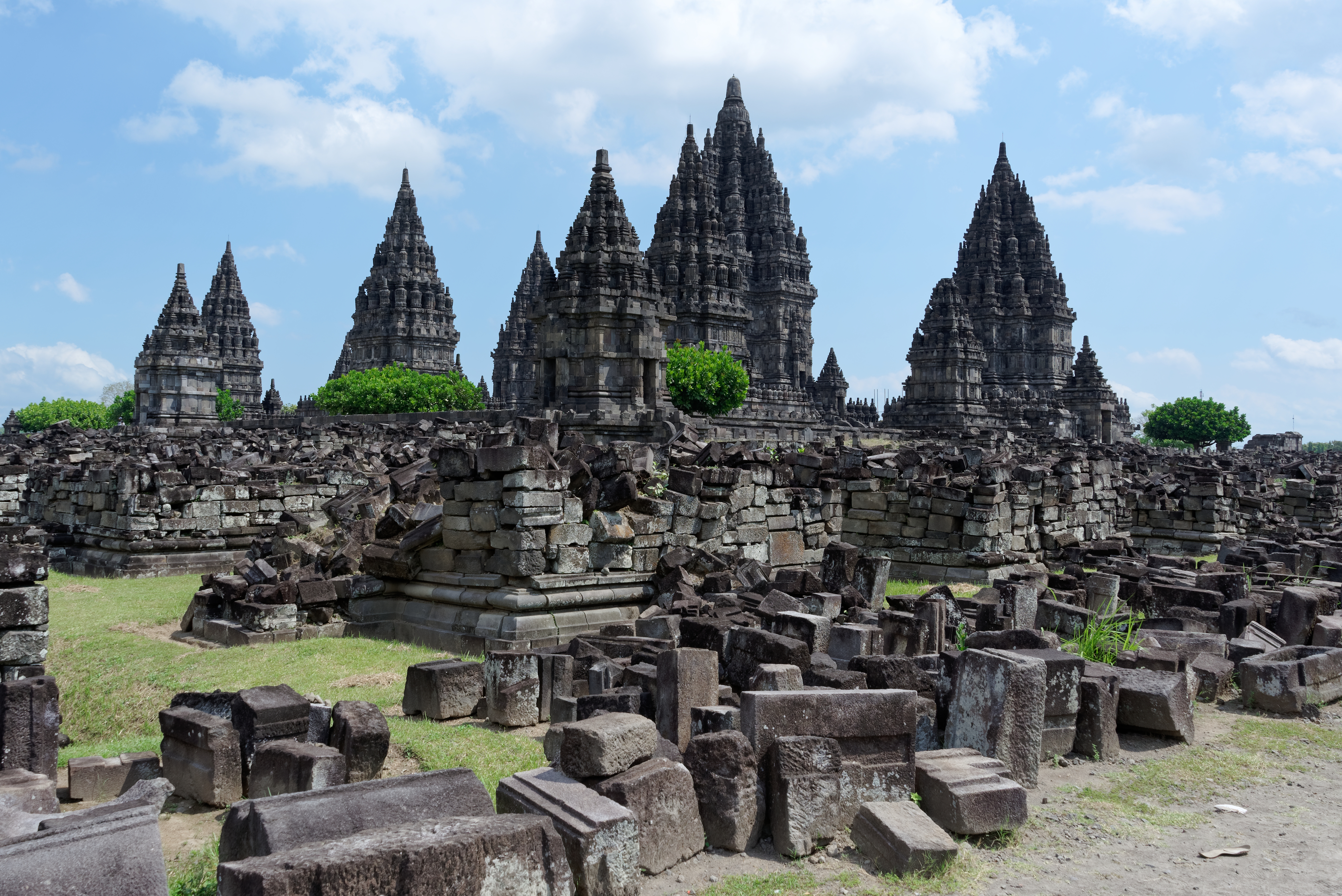
Prime Minister Narendra Modi visited the Prambanan Temple complex in Central Java, Indonesia, on Wednesday to offer prayers at the Hindu shrine [1, 2].
The visit emphasizes the deep cultural and civilizational links between India and Indonesia. By visiting the site, Modi aims to support restoration initiatives for the temple and strengthen diplomatic ties through shared spiritual heritage [2, 4].
The Prambanan Temple is approximately 1,000 years old [2]. As a UNESCO World Heritage Site, it is recognized as one of the world's greatest Hindu monuments [4]. While some reports describe it as a shrine dedicated to the Trimurti, others identify it as the world's largest Hindu temple complex dedicated to Lord Shiva [3, 4].
During his visit, Modi spoke of his lifelong personal connection to Lord Shiva. He referenced a spiritual journey that spans from his birthplace in Vadnagar to his political constituency in Kashi [1]. He also noted the significance of the 12 Jyotirlingas located in India [1].
"It is a great fortune to be here at this 1,000-year-old Shiva temple," Modi said [3].
The Prime Minister described his recurring opportunities to connect with the deity as a matter of personal luck. "It is my good fortune that, in one way or another, I always get an opportunity to be associated with Lord Shiva," Modi said [1].
“"It is a great fortune to be here at this 1,000-year-old Shiva temple."”
This visit serves as a form of 'cultural diplomacy,' using shared religious history to solidify bilateral relations. By linking his personal identity and political base in Kashi to an ancient Indonesian monument, Modi reinforces the narrative of a broader Indic civilizational sphere extending beyond India's borders.


