
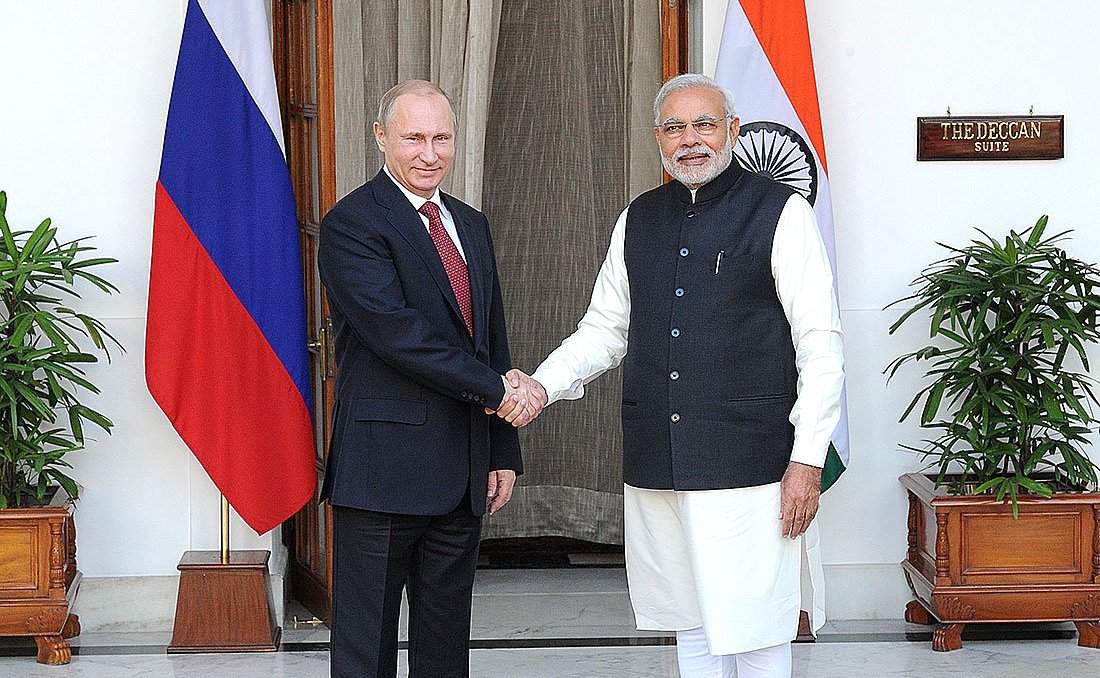
Prime Minister Narendra Modi has become India's longest-serving consecutively elected Prime Minister after completing 12 years in office [1].
This milestone marks a shift in India's political history, as Modi has now surpassed the tenure record previously held by Jawaharlal Nehru [5]. The event underscores the sustained dominance of the National Democratic Alliance (NDA) in Indian politics over the last decade.
During a recent meeting of the Union Cabinet, government leaders passed a formal resolution celebrating the 12-year mark of Modi's governance [1]. The session included a standing ovation for the Prime Minister from the assembled cabinet members [3].
Reports on the exact number of terms served vary between sources. One report said Modi has served three consecutive terms [4], while another said he has completed four [4]. Regardless of the term count, the total time in office has established him as the longest-serving elected leader in the country [2].
The celebration served as both a commemoration of past achievements and a strategic gathering. NDA leaders used the occasion to felicitate the Prime Minister and outline the political course for the alliance moving forward [1].
Modi's tenure has been characterized by a series of consecutive electoral victories that have consolidated his authority within the Union Cabinet. The resolution passed by the cabinet formally acknowledges this record and the impact of his leadership on the Indian state [2].
“Prime Minister Narendra Modi has become India's longest-serving consecutively elected Prime Minister”
Modi's surpassing of Jawaharlal Nehru's record signifies a transition in the historical narrative of Indian leadership. By securing a consecutive tenure of 12 years, Modi has demonstrated a level of electoral durability and party discipline that allows for long-term policy implementation, contrasting with the more frequent leadership transitions seen in earlier decades of the republic.


'%2F%3E%0A%20%20%20%20%3Crect%20width%3D'1600'%20height%3D'900'%20fill%3D'url(%23v)'%2F%3E%0A%20%20%20%20%3Cg%20opacity%3D'0.08'%20fill%3D'%23ffffff'%3E%0A%20%20%20%20%20%20%3Ccircle%20cx%3D'1420'%20cy%3D'180'%20r%3D'220'%2F%3E%0A%20%20%20%20%20%20%3Ccircle%20cx%3D'1500'%20cy%3D'760'%20r%3D'120'%2F%3E%0A%20%20%20%20%3C%2Fg%3E%0A%20%20%20%20%3Cline%20x1%3D'80'%20y1%3D'172'%20x2%3D'220'%20y2%3D'172'%20stroke%3D'%23ffffff'%20stroke-width%3D'3'%20stroke-opacity%3D'0.6'%2F%3E%0A%20%20%20%20%3Ctext%20x%3D'80'%20y%3D'140'%20font-family%3D'Inter%2C%20-apple-system%2C%20Helvetica%2C%20sans-serif'%20font-weight%3D'700'%20font-size%3D'28'%20fill%3D'%23ffffff'%20letter-spacing%3D'6'%3EHANNA%20%C2%B7%20NEWS%3C%2Ftext%3E%0A%20%20%20%20%3Ctext%20x%3D'80'%20y%3D'230'%20font-family%3D'Inter%2C%20-apple-system%2C%20Helvetica%2C%20sans-serif'%20font-weight%3D'600'%20font-size%3D'40'%20fill%3D'%23ffffffb3'%20letter-spacing%3D'4'%3EWORLD%3C%2Ftext%3E%0A%20%20%20%20%3Ctext%20x%3D'80'%20y%3D'622'%20font-family%3D'Playfair%20Display%2C%20Georgia%2C%20serif'%20font-weight%3D'800'%20font-size%3D'86'%20fill%3D'%23ffffff'%20letter-spacing%3D'-1'%3EPakistan%20Army%20MI-17%3C%2Ftext%3E%3Ctext%20x%3D'80'%20y%3D'721'%20font-family%3D'Playfair%20Display%2C%20Georgia%2C%20serif'%20font-weight%3D'800'%20font-size%3D'86'%20fill%3D'%23ffffff'%20letter-spacing%3D'-1'%3EHelicopter%20Crashes%20in%3C%2Ftext%3E%3Ctext%20x%3D'80'%20y%3D'820'%20font-family%3D'Playfair%20Display%2C%20Georgia%2C%20serif'%20font-weight%3D'800'%20font-size%3D'86'%20fill%3D'%23ffffff'%20letter-spacing%3D'-1'%3EKashmir%3C%2Ftext%3E%0A%20%20%20%20%3Ctext%20x%3D'80'%20y%3D'870'%20font-family%3D'Inter%2C%20-apple-system%2C%20Helvetica%2C%20sans-serif'%20font-weight%3D'500'%20font-size%3D'22'%20fill%3D'%23ffffff66'%20letter-spacing%3D'2'%3Enews.hanna-ai.com%3C%2Ftext%3E%0A%20%20%3C%2Fsvg%3E)
