
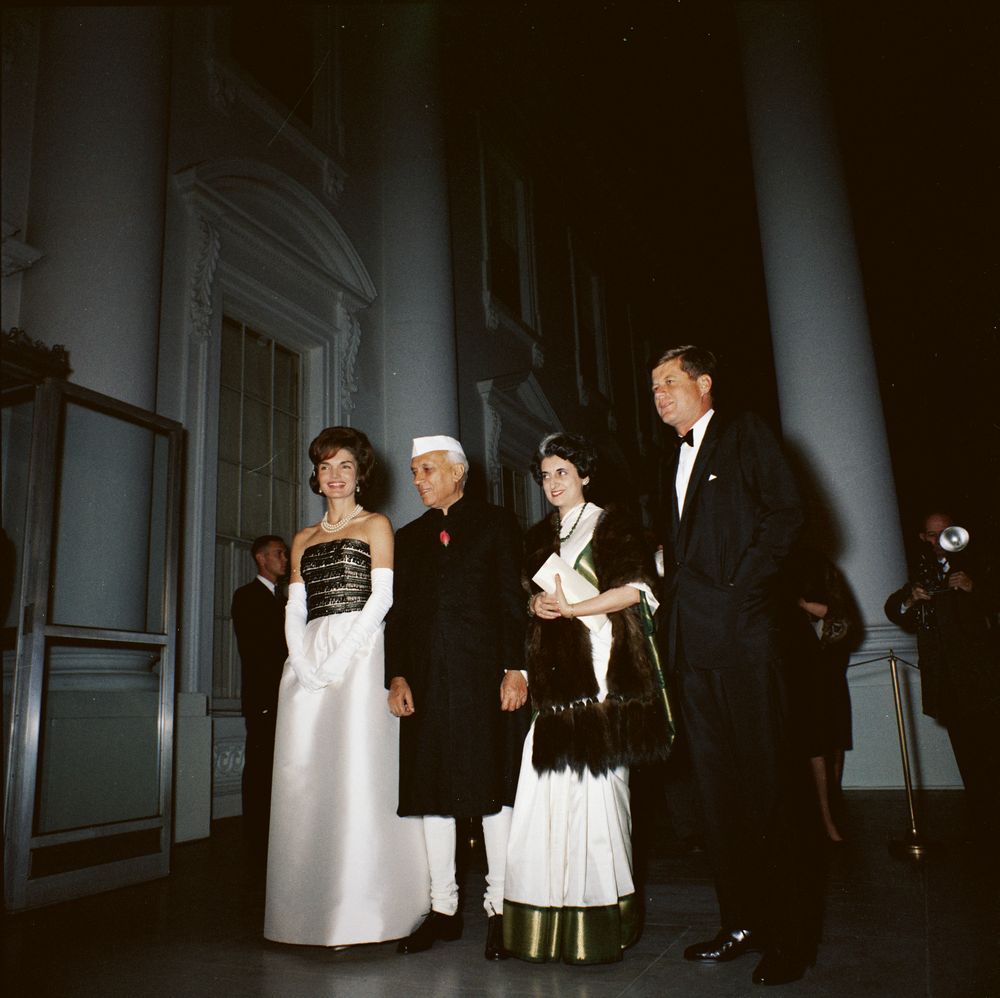
Prime Minister Narendra Modi has become the longest continuously serving democratically elected prime minister in the history of India [1].
This milestone represents a significant shift in India's democratic timeline, as Modi surpasses the previous record held by the nation's first prime minister, Jawaharlal Nehru [1]. The event underscores the sustained political dominance of the Bharatiya Janata Party (BJP) and its leader's enduring influence over the Indian electorate.
To mark the occasion, BJP MP Sambit Patra and Union Minister Arjun Ram Meghwal visited the Jagannath Temple in Puri, Odisha [2]. The leaders offered special prayers for the health and long life of the prime minister, and for the general prosperity of the nation [2].
According to reports, Modi's tenure has reached a length of 12 years [1]. This period of leadership has been characterized by a series of electoral victories that have allowed the prime minister to maintain a continuous grip on the executive office, a feat not matched by any other elected leader in the country's history.
Patra said the achievement was a historic democratic milestone [1]. The celebrations at the temple in Puri served as both a religious observance and a political statement regarding the stability of the current administration [2].
While the record focuses on the length of continuous service, it also highlights the evolving nature of Indian governance. The transition from Nehru's era to the current leadership reflects a broader change in the ideological direction of the state [1].
“Narendra Modi has become the longest continuously serving democratically elected prime minister in the history of India”
The surpassing of Jawaharlal Nehru's record signifies more than a chronological achievement; it marks the consolidation of a new political era in India. By becoming the longest-serving elected leader, Modi cements a legacy of continuity and centralized authority that contrasts with the fragmented coalition politics of previous decades. This milestone reflects the BJP's ability to maintain a broad electoral mandate over more than a decade, potentially reshaping the historical narrative of India's post-independence governance.


