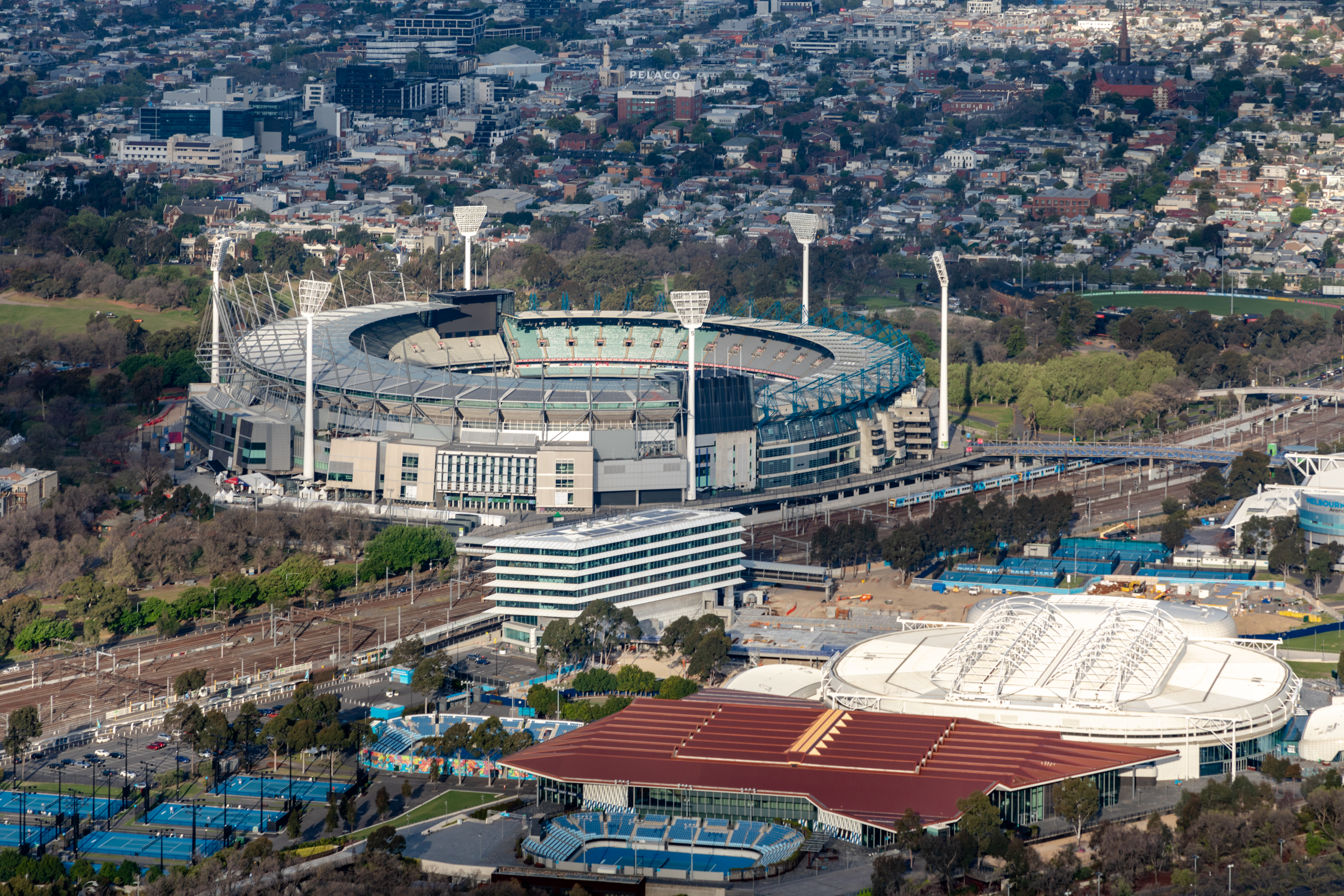
Prime Minister Narendra Modi visited the Melbourne Cricket Ground to highlight cultural ties and unveil a sports-collaboration roadmap between India and Australia [1].
This visit underscores the use of "cricket diplomacy" as a tool to deepen the strategic partnership between the two nations. By leveraging a shared passion for the sport, both governments aim to build a cultural bridge that transcends traditional political and economic agreements [2].
Modi toured the iconic stadium on the final day of his tour of Australia [1]. He was accompanied by Australian Prime Minister Anthony Albanese and cricket legend Steve Waugh [1]. The visit focused on the symbolic power of the Melbourne Cricket Ground as a venue for international cooperation and mutual respect [3].
During the event, Modi interacted with young cricketers at the venue [3]. This interaction served as a practical application of the new sports-collaboration roadmap, which seeks to foster athletic exchange and development between the two countries [3].
The collaboration aims to integrate sporting excellence with diplomatic goals, creating a framework for future youth engagement and professional athletic partnerships [2]. The presence of Steve Waugh, a figure of significant influence in the sport, further emphasized the historical and cultural weight of the gesture [1].
Throughout the tour, the leaders said that sporting ties provide a unique avenue for people-to-people connections [2]. This approach is intended to solidify the broader strategic alignment between New Delhi and Canberra in the Indo-Pacific region [2].
“PM Modi visited the Melbourne Cricket Ground to highlight cultural ties and unveil a sports-collaboration roadmap.”
The use of cricket as a diplomatic instrument allows India and Australia to soften the edges of strategic geopolitical alignments with a shared cultural identity. By establishing a formal sports-collaboration roadmap, the two nations are institutionalizing cultural exchange, which serves as a stabilizer for the broader bilateral relationship and enhances public approval of diplomatic ties in both countries.