
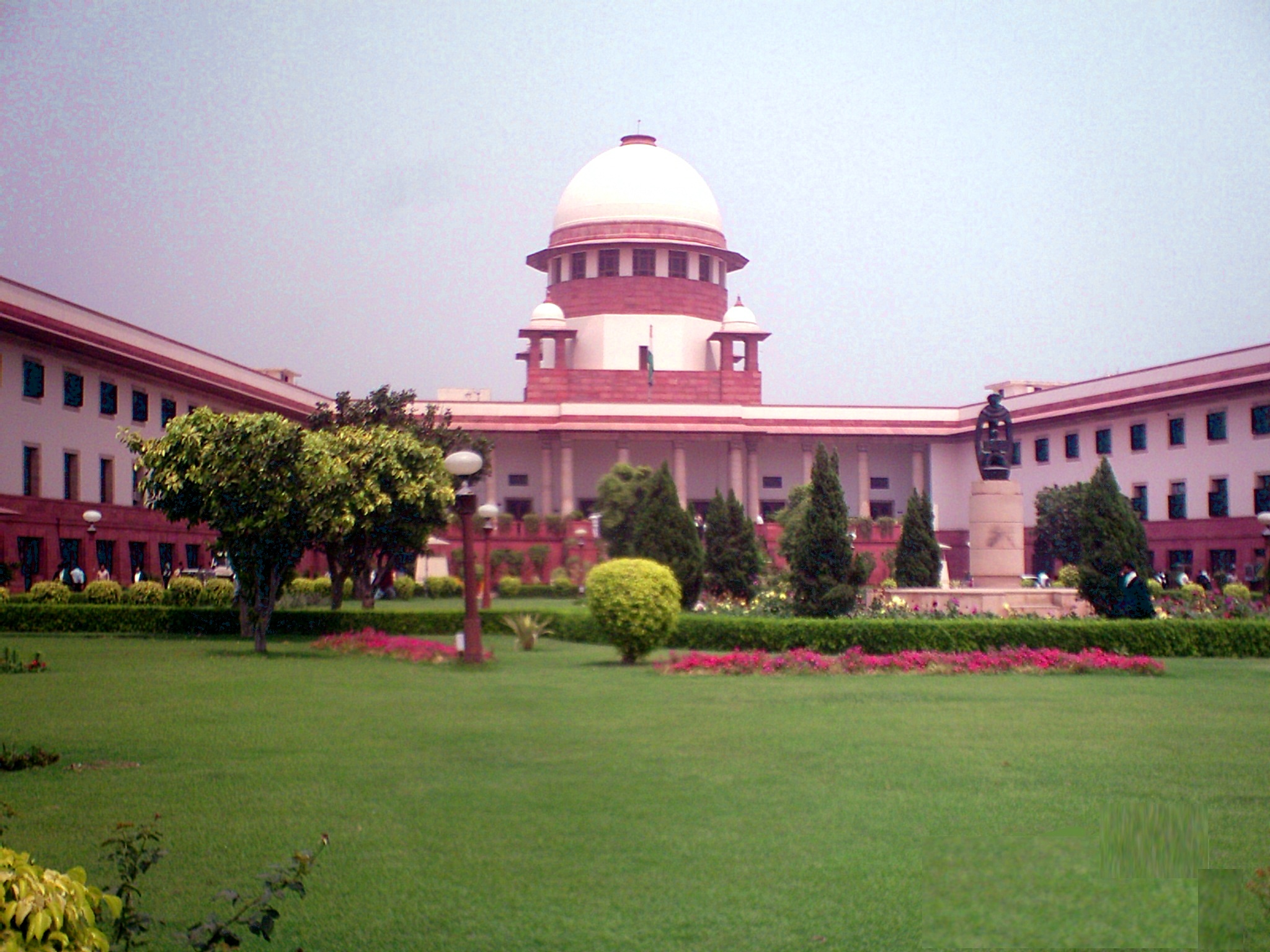
Prime Minister Narendra Modi is personally monitoring the response to the NEET-UG paper leak and the subsequent re-examination process [1, 2].
This high-level oversight follows a breach in the integrity of one of India's most critical medical entrance exams. The involvement of the prime minister's office signals the government's intent to restore public trust in the National Testing Agency (NTA) and ensure the fairness of the upcoming test.
The Centre has briefed the Supreme Court of India regarding the measures being taken to prevent further leaks [1]. According to the briefing, the government is implementing new security mechanisms to safeguard the examination process. These steps are intended to address the systemic failures that allowed the initial paper leak to occur [1, 2].
The re-examination for the NEET-UG is scheduled for June 21, 2024 [1]. The government's focus on this specific date underscores the urgency of resolving the crisis for thousands of medical aspirants across the country.
While the government frames this supervision as a way to ensure integrity, the move has drawn political scrutiny. Opposition figures, including Rahul Gandhi, have raised questions regarding the nature of the prime minister's supervision over the process [2].
The NTA remains under pressure to prove that the new security protocols can withstand attempts at fraud. The Supreme Court's role in monitoring the Centre's reports ensures a layer of judicial oversight as the country prepares for the June 21 date [1].
“Prime Minister Narendra Modi is personally monitoring the response to the NEET-UG paper leak.”
The direct involvement of the prime minister in a technical examination process is unusual and indicates the severe political risk associated with the NEET-UG scandal. By linking the executive office to the security overhaul, the government is attempting to provide a guarantee of stability, though it simultaneously makes the prime minister's office accountable for any further failures in the June 21 re-test.


'%2F%3E%0A%20%20%20%20%3Crect%20width%3D'1600'%20height%3D'900'%20fill%3D'url(%23v)'%2F%3E%0A%20%20%20%20%3Cg%20opacity%3D'0.08'%20fill%3D'%23ffffff'%3E%0A%20%20%20%20%20%20%3Ccircle%20cx%3D'1420'%20cy%3D'180'%20r%3D'220'%2F%3E%0A%20%20%20%20%20%20%3Ccircle%20cx%3D'1500'%20cy%3D'760'%20r%3D'120'%2F%3E%0A%20%20%20%20%3C%2Fg%3E%0A%20%20%20%20%3Cline%20x1%3D'80'%20y1%3D'172'%20x2%3D'220'%20y2%3D'172'%20stroke%3D'%23ffffff'%20stroke-width%3D'3'%20stroke-opacity%3D'0.6'%2F%3E%0A%20%20%20%20%3Ctext%20x%3D'80'%20y%3D'140'%20font-family%3D'Inter%2C%20-apple-system%2C%20Helvetica%2C%20sans-serif'%20font-weight%3D'700'%20font-size%3D'28'%20fill%3D'%23ffffff'%20letter-spacing%3D'6'%3EHANNA%20%C2%B7%20NEWS%3C%2Ftext%3E%0A%20%20%20%20%3Ctext%20x%3D'80'%20y%3D'230'%20font-family%3D'Inter%2C%20-apple-system%2C%20Helvetica%2C%20sans-serif'%20font-weight%3D'600'%20font-size%3D'40'%20fill%3D'%23ffffffb3'%20letter-spacing%3D'4'%3EWORLD%3C%2Ftext%3E%0A%20%20%20%20%3Ctext%20x%3D'80'%20y%3D'694'%20font-family%3D'Playfair%20Display%2C%20Georgia%2C%20serif'%20font-weight%3D'800'%20font-size%3D'110'%20fill%3D'%23ffffff'%20letter-spacing%3D'-1'%3EAt%20Least%2021%20Killed%20in%20Delhi%3C%2Ftext%3E%3Ctext%20x%3D'80'%20y%3D'820'%20font-family%3D'Playfair%20Display%2C%20Georgia%2C%20serif'%20font-weight%3D'800'%20font-size%3D'110'%20fill%3D'%23ffffff'%20letter-spacing%3D'-1'%3EHotel%20Fire%3C%2Ftext%3E%0A%20%20%20%20%3Ctext%20x%3D'80'%20y%3D'870'%20font-family%3D'Inter%2C%20-apple-system%2C%20Helvetica%2C%20sans-serif'%20font-weight%3D'500'%20font-size%3D'22'%20fill%3D'%23ffffff66'%20letter-spacing%3D'2'%3Enews.hanna-ai.com%3C%2Ftext%3E%0A%20%20%3C%2Fsvg%3E)