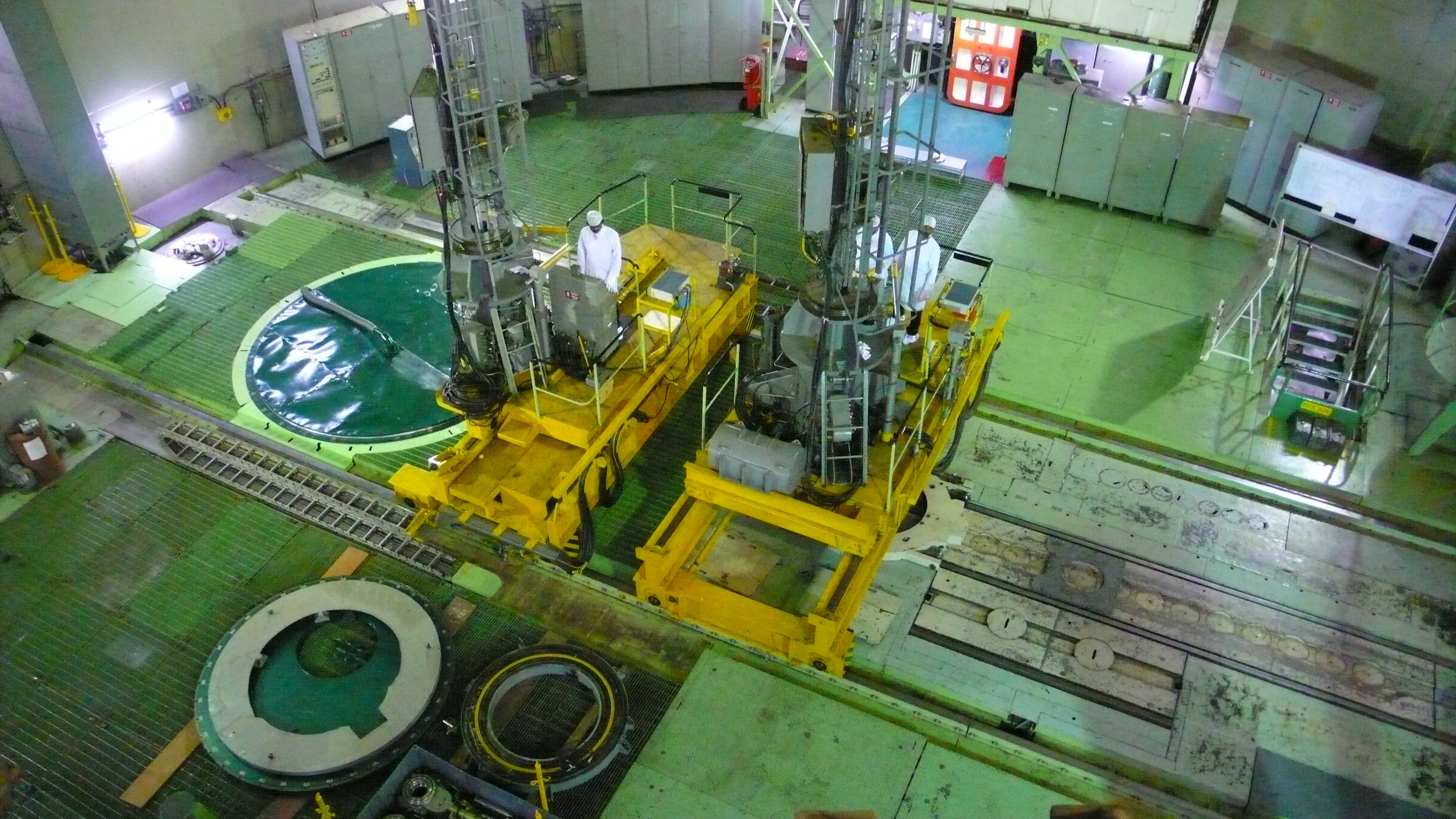
Prime Minister Narendra Modi highlighted India's strategic nuclear capabilities and resolve during his 133rd [1] Mann Ki Baat broadcast this past Sunday.
The address serves to reinforce India's position on credible deterrence and strategic autonomy. By linking current technological milestones with historical nuclear events, the prime minister signaled a commitment to long-term energy and security goals.
Modi praised the 500 MWe [1] Prototype Fast Breeder Reactor located at the Kalpakkam nuclear facility in Tamil Nadu. This facility represents a critical step in India's nuclear energy program, designed to utilize thorium and uranium to ensure energy sustainability.
In addition to current projects, the prime minister revisited the 1998 [2] Pokhran nuclear tests in Rajasthan. He said those tests were symbols of strategic capability and a defining moment for the nation's resolve against global pressure [2].
Beyond nuclear strategy, the broadcast included a call for national cooperation. Modi said citizens should participate in the census to ensure accurate data collection and planning for the country [1].
These remarks connect the domestic goal of energy independence with the broader geopolitical necessity of a deterrent nuclear posture. The mention of the Kalpakkam reactor emphasizes the transition from purely strategic weapons capabilities to advanced civilian nuclear power generation.
“Prime Minister Narendra Modi highlighted India's strategic nuclear capabilities and resolve.”
By pairing the mention of the Kalpakkam fast-breeder reactor with the 1998 Pokhran tests, the Indian government is framing its nuclear identity as a dual-track success. This narrative balances the 'peaceful' pursuit of energy security with the 'strategic' necessity of nuclear deterrence, reminding both domestic and international audiences of India's technical capacity to maintain an independent nuclear program.


