Prime Minister Narendra Modi launched development projects worth ₹5,470 crore [1] for rail and road infrastructure in Jalandhar, Punjab, on Friday.
The investment aims to strengthen connectivity and public services in the state to drive economic growth. By modernizing transport networks, the central government seeks to integrate Punjab more effectively into the national logistics chain.
Among the primary highlights of the announcement is the introduction of India’s first hydrogen train [3]. This move signals a shift toward sustainable energy in the nation's rail sector, a key component of the broader infrastructure push.
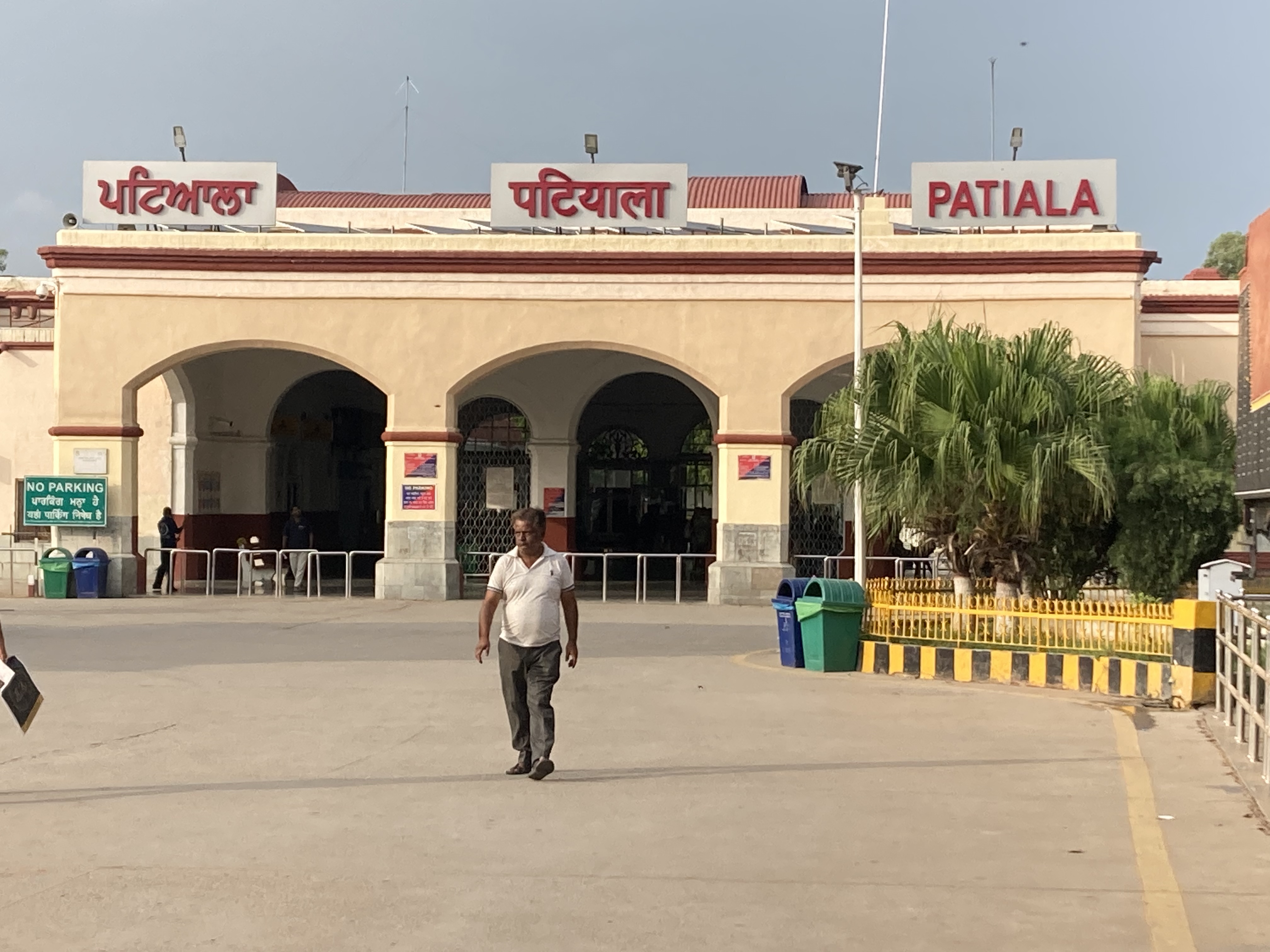
Additionally, the Prime Minister inaugurated 75 redeveloped railway stations [2]. These upgrades were completed under the Amrit Bharat Station Scheme, which focuses on improving passenger amenities and station facilities across the country.
The projects cover a combination of rail and road infrastructure designed to reduce transit times and improve safety [2]. The government said these initiatives reflect a commitment to the state's long-term development.
Officials said the scale of the investment is intended to boost local commerce and industrial productivity. The integration of green technology via the hydrogen train serves as a pilot for future rail deployments across other Indian states [3].
“India’s first hydrogen train”
The introduction of a hydrogen-powered train marks a significant pivot in India's transportation strategy, moving away from diesel and electric toward zero-emission technology. Combined with the massive investment in the Amrit Bharat Station Scheme, these projects suggest a strategic effort to modernize Punjab's logistics to support higher industrial output and regional connectivity.


