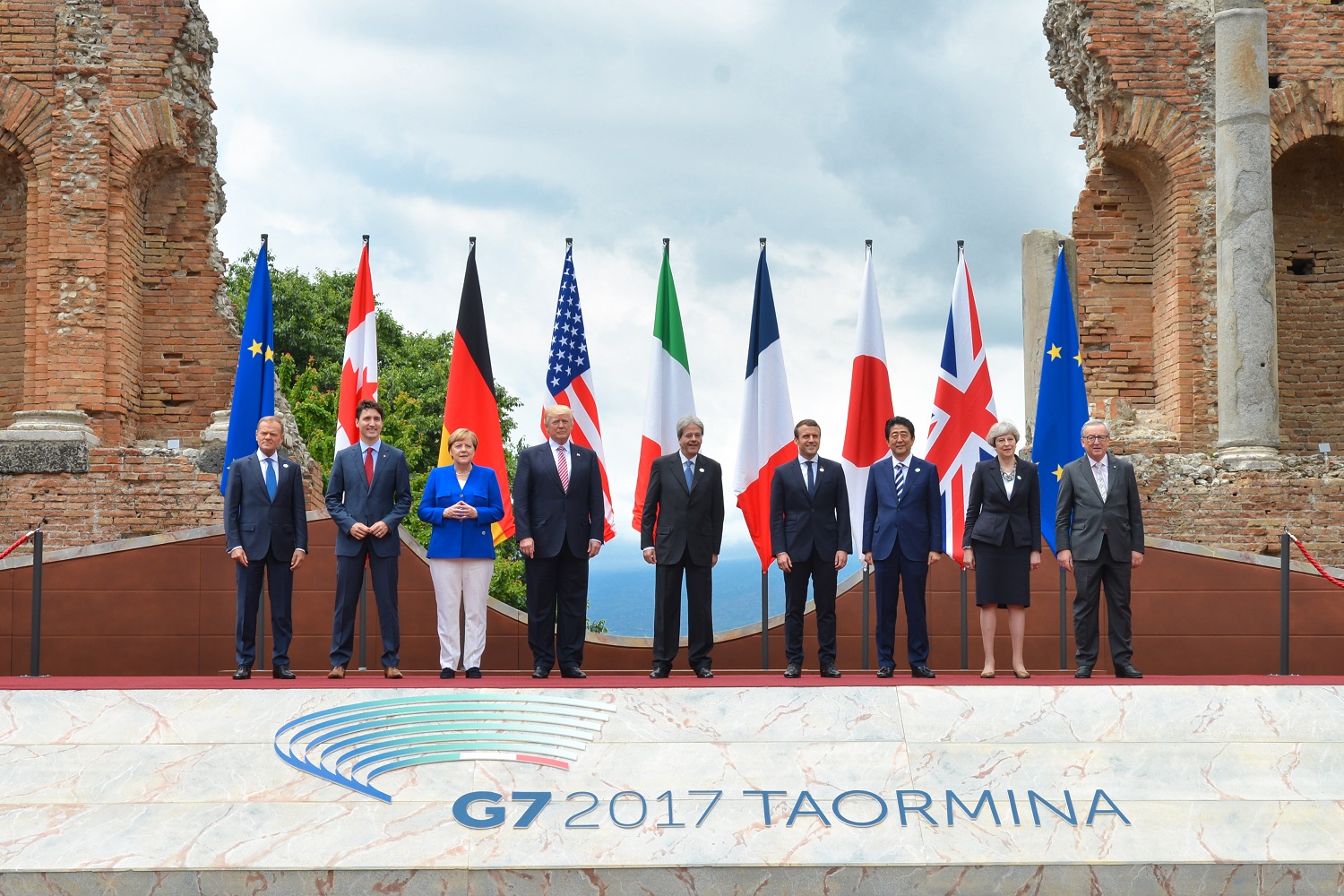
Prime Minister Narendra Modi and U.S. President Donald Trump are expected to meet during the G7 summit in France [1].
This potential engagement signals a critical moment for bilateral relations, as both leaders seek to navigate complex trade agreements and regional security frameworks. The meeting could determine the trajectory of cooperation between the two largest democracies in an era of shifting global alliances.
Reports indicate the leaders are likely to come face-to-face during the summit, which is scheduled for June 15-17, 2024 [3]. The discussions are expected to center on a potential trade deal and the Quad, a strategic security partnership involving India, the U.S., Japan, and Australia [1].
The White House confirmed that President Trump will travel to France for the event [2]. This travel comes despite existing tensions between Washington and several of its traditional allies, a dynamic that may influence the tone of the multilateral summit.
Diplomatic sources said the meeting will prioritize economic ties and the stability of the Indo-Pacific region [1]. The G7 summit serves as a primary venue for these high-level interactions, providing a structured environment for the two leaders to address outstanding diplomatic friction.
While the meeting is not yet officially codified in a joint schedule, the likelihood of a session remains high given the strategic priorities of both administrations [3]. The focus on the Quad suggests a shared interest in maintaining a free and open Indo-Pacific, which remains a cornerstone of U.S. foreign policy in Asia.
Both leaders have historically emphasized a strong personal rapport, which may facilitate a more candid exchange on trade tariffs and security cooperation [1]. The outcome of these talks could influence trade policies and defense agreements for the remainder of the year.
“PM Narendra Modi and US President Donald Trump are likely to come face-to-face later this month at the G7 Summit in France.”
The anticipated meeting highlights the strategic importance of the India-US relationship as a counterbalance in the Indo-Pacific. By focusing on the Quad and trade, both nations are attempting to align their economic and security interests despite the volatile nature of transatlantic diplomacy and internal political pressures within the G7.


