Indian Prime Minister Narendra Modi said to U.S. President Donald Trump that the Strait of Hormuz must remain open to ensure maritime security [1].
The discussion centers on the critical role the waterway plays in global energy supplies. Any disruption in the strait could destabilize international trade and spike oil prices, affecting economies across Asia and Europe.
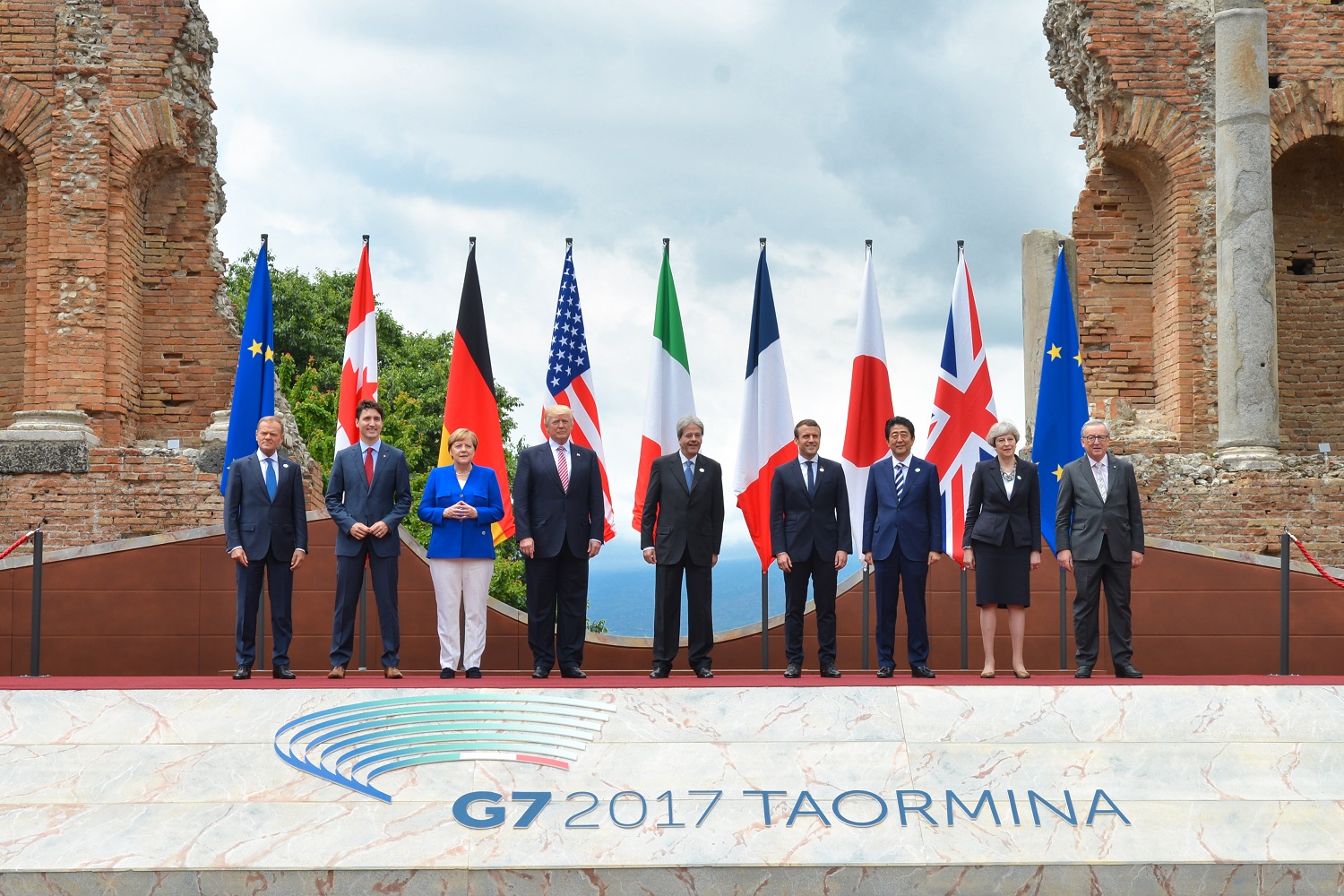
The two leaders met during the G7 summit in France in June 2024 [1]. During the bilateral meeting, Modi said the strategic importance of the strait is a primary artery for shipping [1]. He said that maintaining the flow of commerce through the region is essential for global stability.
Modi's focus on the Strait of Hormuz comes amid growing tensions in West Asia [1]. The region has seen increased volatility, raising fears that geopolitical conflicts could lead to the closure or restriction of the narrow waterway.
President Trump said he acknowledged the concerns during the exchange [1]. The conversation highlighted the shared interests of India and the U.S. in preventing disruptions to the energy corridors that fuel industrial growth in both nations.
India relies heavily on imports from the Persian Gulf, making any threat to the strait a direct risk to its national energy security [1]. By coordinating with the U.S., India seeks a multilateral approach to safeguarding these shipping lanes against regional aggression, or instability.
The meeting in France served as a platform to align the strategic goals of the two allies regarding the Middle East [1]. Both leaders said a secure maritime environment is necessary to prevent a global economic shock.
“The Strait of Hormuz must remain open to ensure maritime security.”
This interaction underscores India's growing role as a strategic stakeholder in West Asian security. By directly engaging the U.S. president on the Strait of Hormuz, India is signaling that its economic stability is inextricably linked to the freedom of navigation in the Persian Gulf, necessitating a strong security partnership with Washington to mitigate risks from regional volatility.


