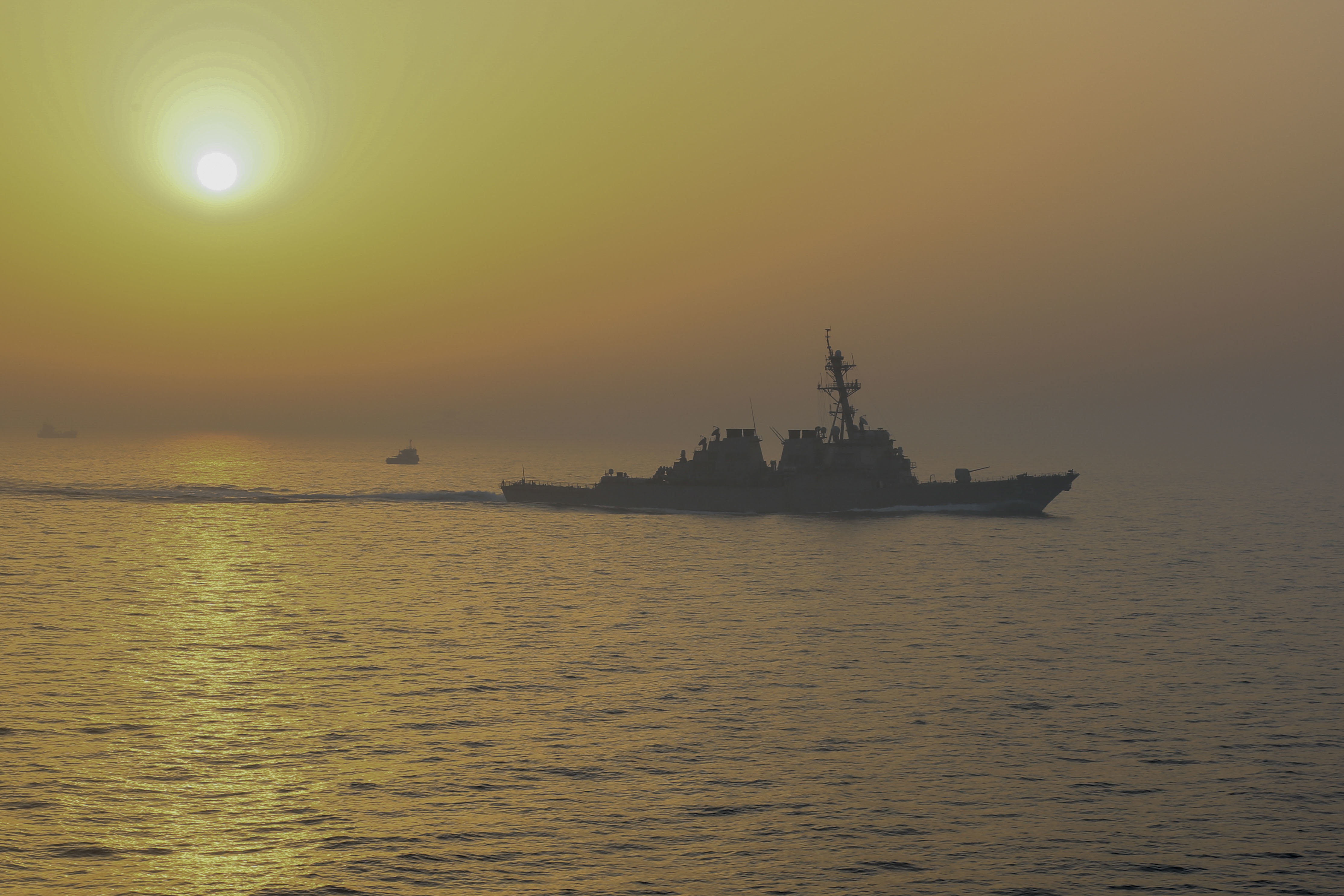
Prime Minister Narendra Modi said keeping the Strait of Hormuz free, safe, and open is India’s highest priority during a visit to the UAE.
The statement comes as regional tensions impact global oil markets and threaten India's fuel supply. Ensuring the stability of this critical waterway is essential for India's energy security and the safety of its trade routes.
Modi arrived in the UAE on May 15 [4] as part of a six-day tour [3]. While in Abu Dhabi, the prime minister condemned recent attacks on the UAE, describing them as unacceptable. "We condemn the attacks on the UAE and thank President Sheikh Mohamed bin Zayed for his leadership," Modi said.
Beyond security concerns, the visit focused on strengthening economic and strategic ties. India and the UAE signed several defense and energy agreements, including pacts for LPG supply and strategic petroleum reserves. These deals aim to stabilize energy imports amid ongoing volatility in the Middle East.
The UAE has committed $5 billion [2] in investments to India. Modi also addressed the importance of the Indian community in the region, noting that the diaspora in the UAE consists of four million people [1]. He thanked the UAE leadership for their care of the Indian community during the current crisis.
Modi said that the safety of navigation in the Strait of Hormuz is a top priority for India. The prime minister's visit underscores the strategic necessity of maintaining a partnership with the UAE to mitigate the risks posed by regional conflicts.
“"Keeping Hormuz open is India's highest priority."”
India's explicit prioritization of the Strait of Hormuz reflects its vulnerability to energy disruptions in the Persian Gulf. By coupling security condemnations with multi-billion dollar investment commitments and energy pacts, New Delhi is attempting to hedge against regional instability while securing a reliable fuel pipeline from the UAE.


