Prime Minister Narendra Modi urged Indian companies to adopt work-from-home policies and schools to shift to online classes on Monday [1, 2].
The measures aim to shield the Indian economy from escalating conflict in West Asia, which has disrupted global supply chains and increased import costs [1, 2].
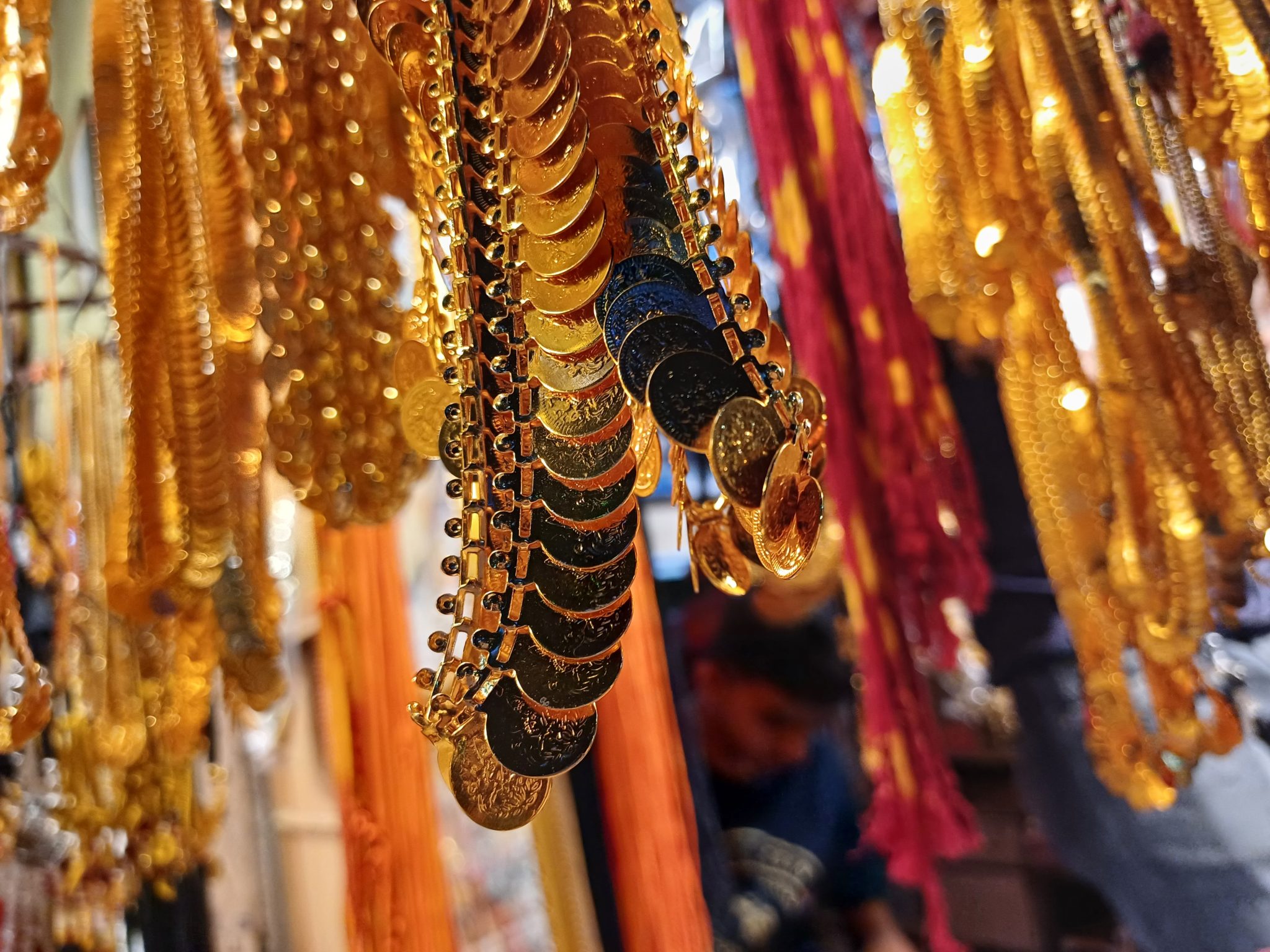
Modi addressed the nation to promote self-reliance and reduce the country's vulnerability to external economic shocks. He specifically called on citizens to avoid purchasing gold and to cut fuel consumption to mitigate the impact of the crisis [1, 2].
"Go vocal for local, avoid gold purchases," Modi said [2].
The Prime Minister also emphasized the need to transform agricultural practices. He said that the nation must reduce its dependence on chemical fertilizers and increase support for local products to strengthen the domestic market [1, 2].
"We must cut fuel consumption, support local products and reduce dependence on chemical fertilisers," Modi said [2].
Regarding the education and corporate sectors, the Prime Minister suggested that remote operations would help stabilize the economy during this volatile period. He said companies should continue work-from-home and schools should shift to online classes [2].
These directives represent a broad push for "vocal for local" initiatives, urging a shift in consumer behavior and institutional operations to prioritize national self-sufficiency over global dependencies [1, 2].
“"Go vocal for local, avoid gold purchases."”
The Prime Minister's directives suggest that the Indian government anticipates significant economic volatility resulting from the West Asia conflict. By discouraging gold imports and fuel consumption while promoting remote work and local production, India is attempting to reduce its current account deficit and insulate its domestic infrastructure from geopolitical instability.


