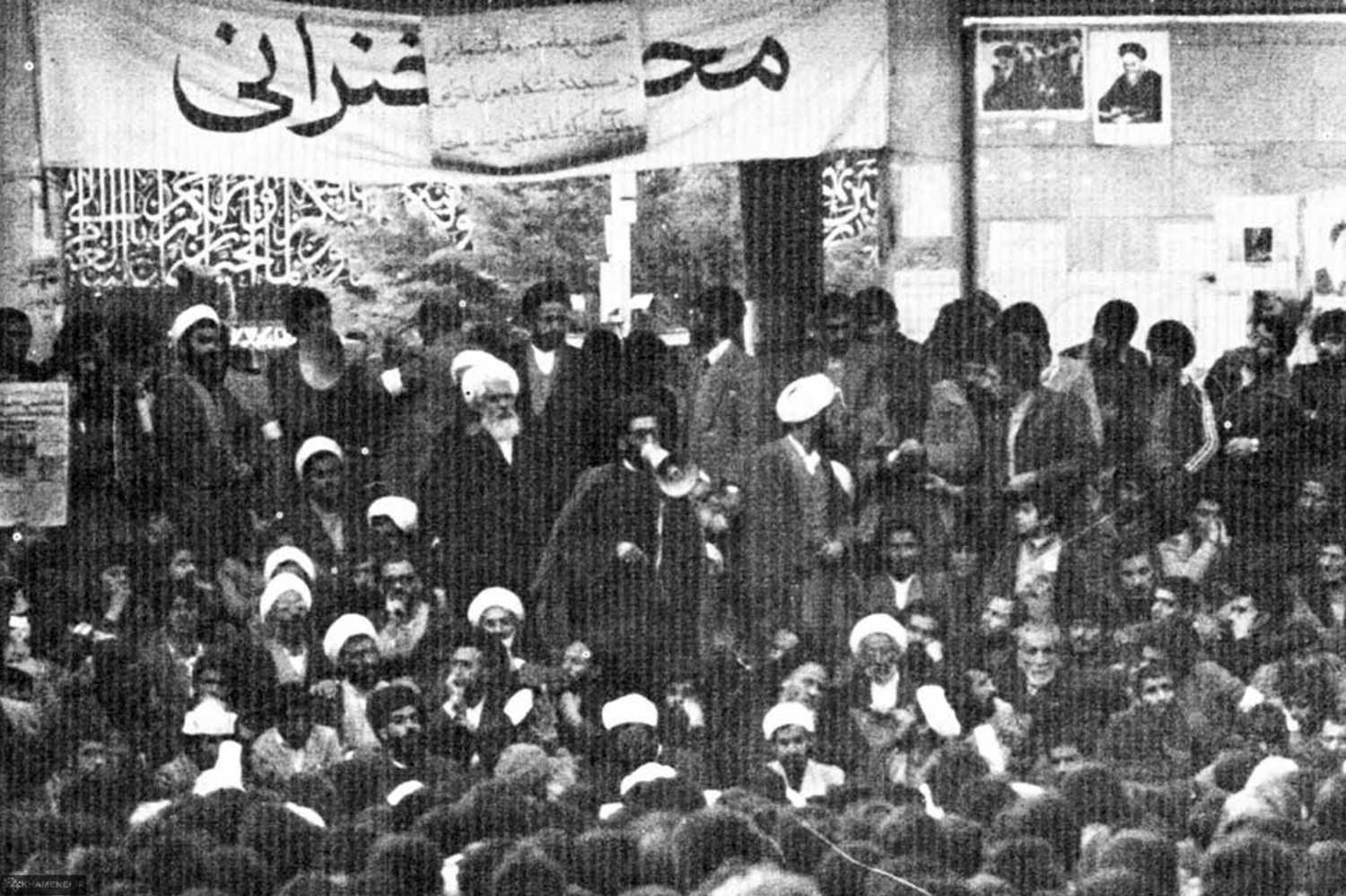
Mojtaba Khamenei did not appear at the funeral ceremonies for his father, Ayatollah Ali Khamenei, in Tehran on July 5, 2026 [1].
His absence is significant because Mojtaba Khamenei is considered the de facto successor to the Iranian Supreme Leader. The failure of the heir apparent to attend the most critical transition event of the regime creates a power vacuum and fuels uncertainty regarding the future of Iranian leadership.
Funeral prayers were held early on July 5, 2026 [1], with hundreds of thousands of mourners gathering in the capital [2]. Despite the massive crowds, Mojtaba Khamenei remained missing from the proceedings [3].
The absence has sparked immediate and contradictory reports regarding his condition. Iranian state media said, "Khamenei is in full health" [4]. However, this official narrative contradicts statements from other sources. Donald Trump said, "He’s not alive" [5].
While the regime maintains that the successor is healthy, it has not provided a public appearance to verify the claim [4]. The lack of visibility during the funeral of the late Supreme Leader has led to widespread speculation about his security or physical wellbeing [4].
Observers note that the transition of power in Iran is typically a tightly controlled process. The absence of the son from his father's final rites is a departure from expected protocol, an anomaly that raises questions about the stability of the succession plan [3].
“Mojtaba Khamenei did not appear at the funeral ceremonies for his father.”
The absence of Mojtaba Khamenei during a high-profile state funeral suggests a potential crisis in the Iranian succession process. In a system where legitimacy is derived from visible continuity and familial lineage, the disappearance of the presumed successor during the transfer of power could signal internal instability, a health crisis, or a contested transition of authority within the clerical establishment.


