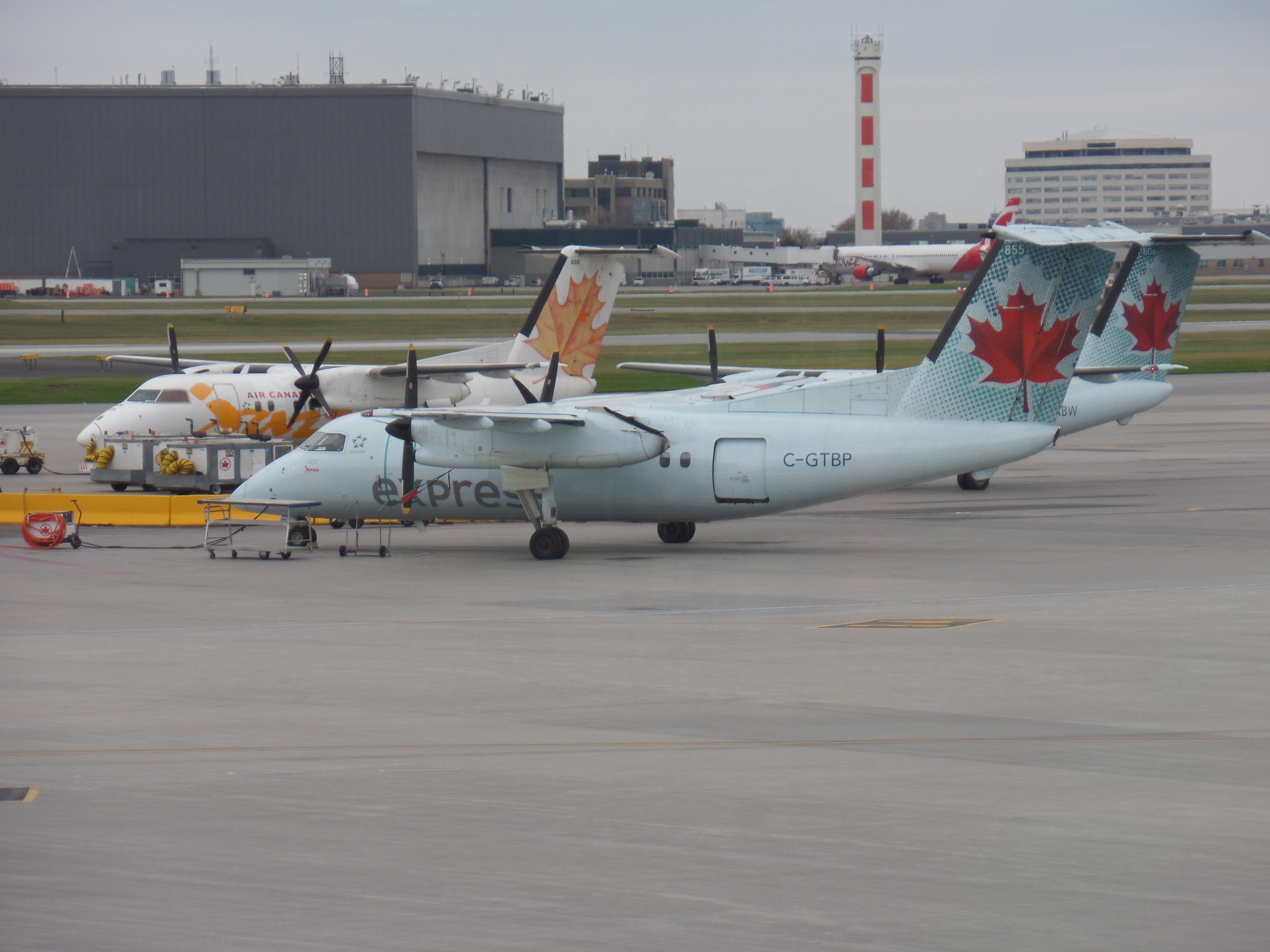
Several flights to the United States were cancelled Wednesday morning after construction painting caused an odor at Montréal‑Pierre Elliott Trudeau International Airport [1].
The disruption highlights the fragility of international transit hubs, where localized maintenance issues can trigger immediate security and customs shutdowns. Because U.S. customs operations are conducted on foreign soil, any perceived health or safety risk can lead to a total halt in processing passengers.
U.S. Customs and Border Protection and airport officials suspended operations on July 29 after the smell of paint fumes was detected [1], [2]. The odor was believed to be the result of ongoing construction work within the terminal [1], [3].
Due to the suspension of customs processing, several flights departing for the U.S. were cancelled [1], [3]. The decision was prompted by health concerns regarding the fumes, though officials said there was no significant health risk [4].
Operations eventually resumed after the air quality was deemed acceptable. Some passengers reported a lingering smell of exhaust even as customs services returned to normal [2]. The airport did not specify the exact number of affected flights, but the disruption caused significant delays for travelers heading south on Wednesday morning [1], [2].
Airport officials worked with U.S. authorities to clear the facility and ensure the environment was safe for both staff and passengers. The incident underscores the strict safety protocols governing the pre-clearance zones used by the U.S. government in Canadian airports [1], [3].
“Flights to the United States were cancelled after an odor from construction/painting was detected”
This incident demonstrates the operational vulnerability of the U.S. pre-clearance system. Because the U.S. manages its own customs checkpoints in Canada, a localized environmental issue—such as paint fumes—can effectively sever a primary international travel artery, regardless of the airport's overall functionality.

