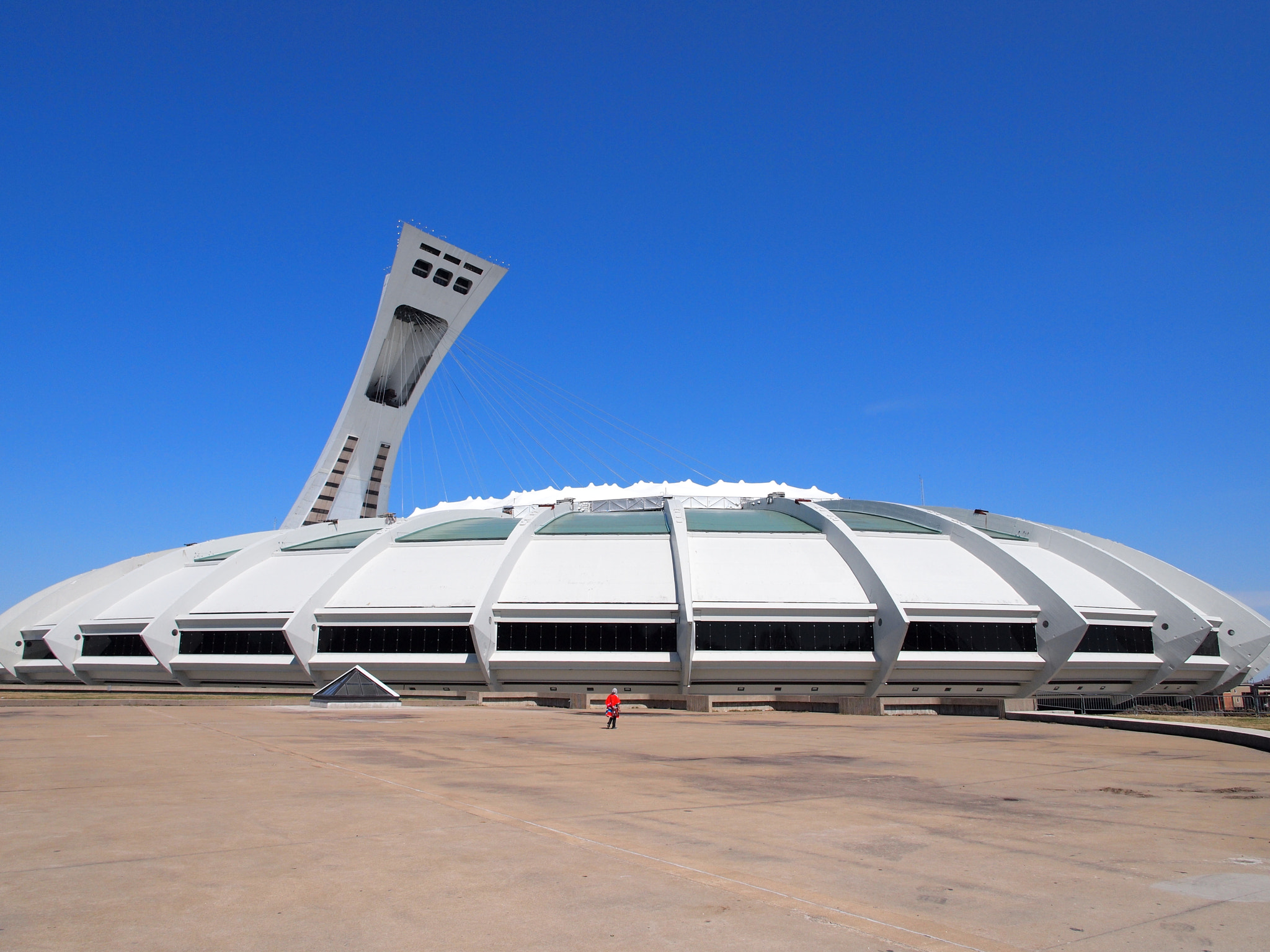
Montreal is celebrating the 50th anniversary [1] of the 1976 Olympic Games, with several major athletic installations still serving the public today.
These venues represent a long-term transition from high-cost sporting events to sustainable community assets. The continued use of these sites demonstrates how urban infrastructure can evolve to support local recreation and cultural events decades after their initial purpose.
Among the active sites is the Olympic Park, which includes the iconic Olympic Stadium. Other facilities still in operation include the Claude-Robillard Sports Complex and the rowing basin [1], [2]. In the surrounding areas, the Bromont equestrian park also continues to provide value to the region [1].
The legacy of the 1976 Games was long overshadowed by a massive financial burden. However, the heavy financial deficit resulting from the Games was eliminated over a period of 30 years [2]. This recovery allows the city to focus on the utility of the sites rather than the debt incurred during their construction.
Today, these facilities host a variety of sports, leisure activities, and cultural events [1], [2], [3]. The venues serve as a reminder of the city's ambition and its ability to maintain large-scale infrastructure for the benefit of the community.
Local officials and historians said this milestone is an opportunity to reflect on the dream of the 1976 Games and how that vision translates into modern urban life [3]. By keeping these sites operational, Montreal has integrated the Olympic heritage into the daily fabric of the province of Quebec.
“The heavy financial deficit resulting from the Games was eliminated over a period of 30 years.”
The longevity of Montreal's Olympic infrastructure highlights a shift in how host cities manage the 'white elephant' problem. By successfully retiring the debt and repurposing specialized venues for general public use, Montreal provides a case study in the long-term urban integration of mega-event architecture.


