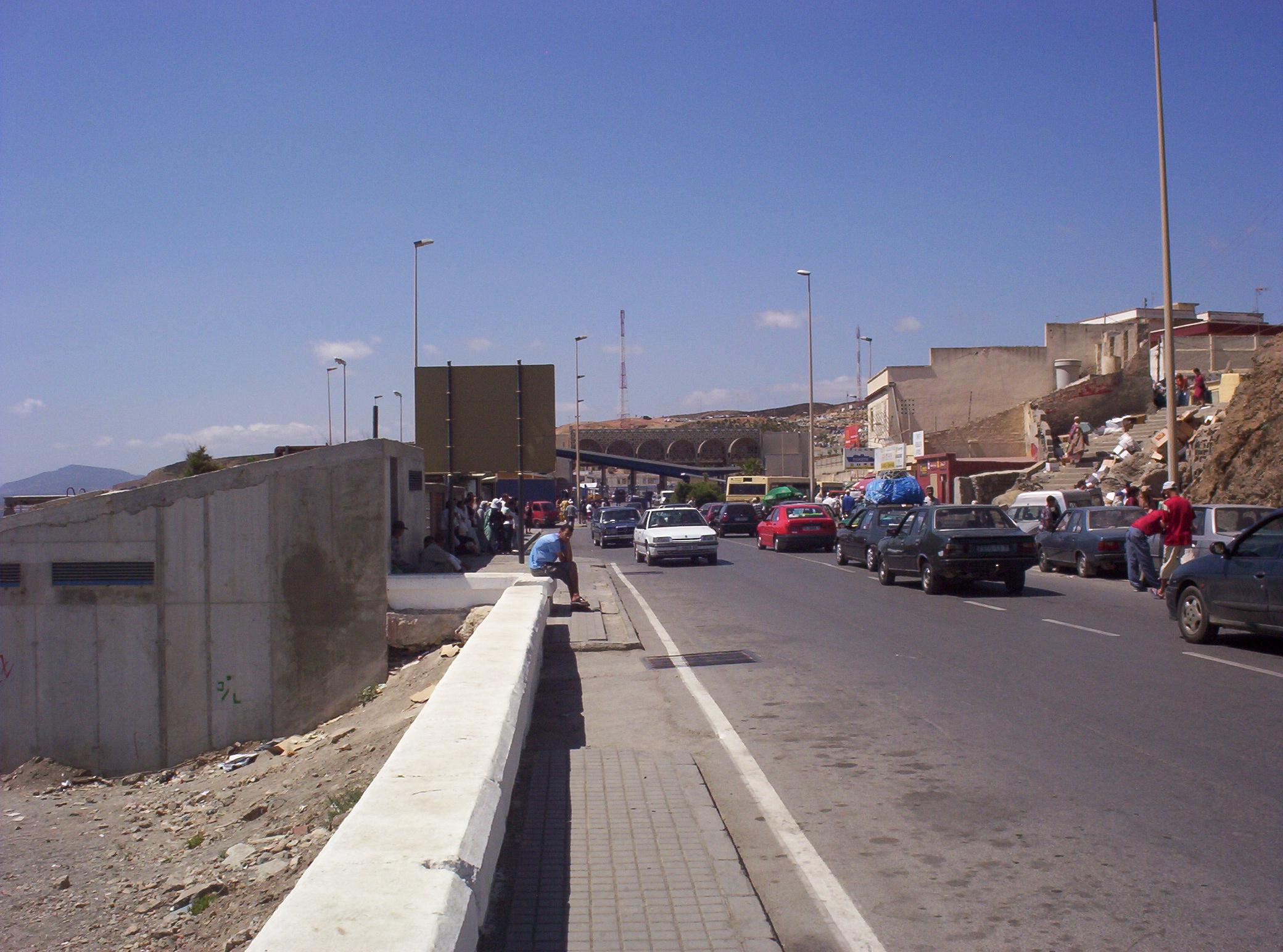
Thousands of migrants from Morocco swam across the border into the Spanish city of Ceuta on Thursday [1].
This mass crossing represents a significant breach of the border security measures in North Africa, highlighting the ongoing desperation of people seeking asylum or better economic opportunities in Europe.
Reports indicate that the migrants bypassed border controls by swimming through the sea and scaling the breakwaters to enter the Spanish enclave [1]. The scale of the movement created an immediate humanitarian and security challenge for local authorities on the coast.
A spokesperson for the Spanish Civil Guard said, "They are flowing in large numbers from the sea" [2]. While the Civil Guard was unable to provide a precise count of the arrivals, other reports provided a wider estimate of the group's size [2].
A reporter from TVE said that between 2,000 and 3,000 young people crossed the border [3]. The surge primarily consisted of young men attempting to enter Spain to seek refuge or employment [1].
Ceuta is a Spanish autonomous city located on the north coast of Africa. It is separated from Morocco by a heavily fortified fence and sea barriers designed to prevent unauthorized entry. The use of the sea to bypass these land-based obstacles suggests a shift in tactics by those attempting to migrate.
“They are flowing in large numbers from the sea”
The event underscores the limitations of physical border barriers in Ceuta. By utilizing the sea and swimming over breakwaters, migrants have found a vulnerability in the perimeter that the Spanish Civil Guard and Moroccan authorities have struggled to seal. This incident likely signals a period of increased migration pressure and may lead to further militarization of the enclave's coastline.


