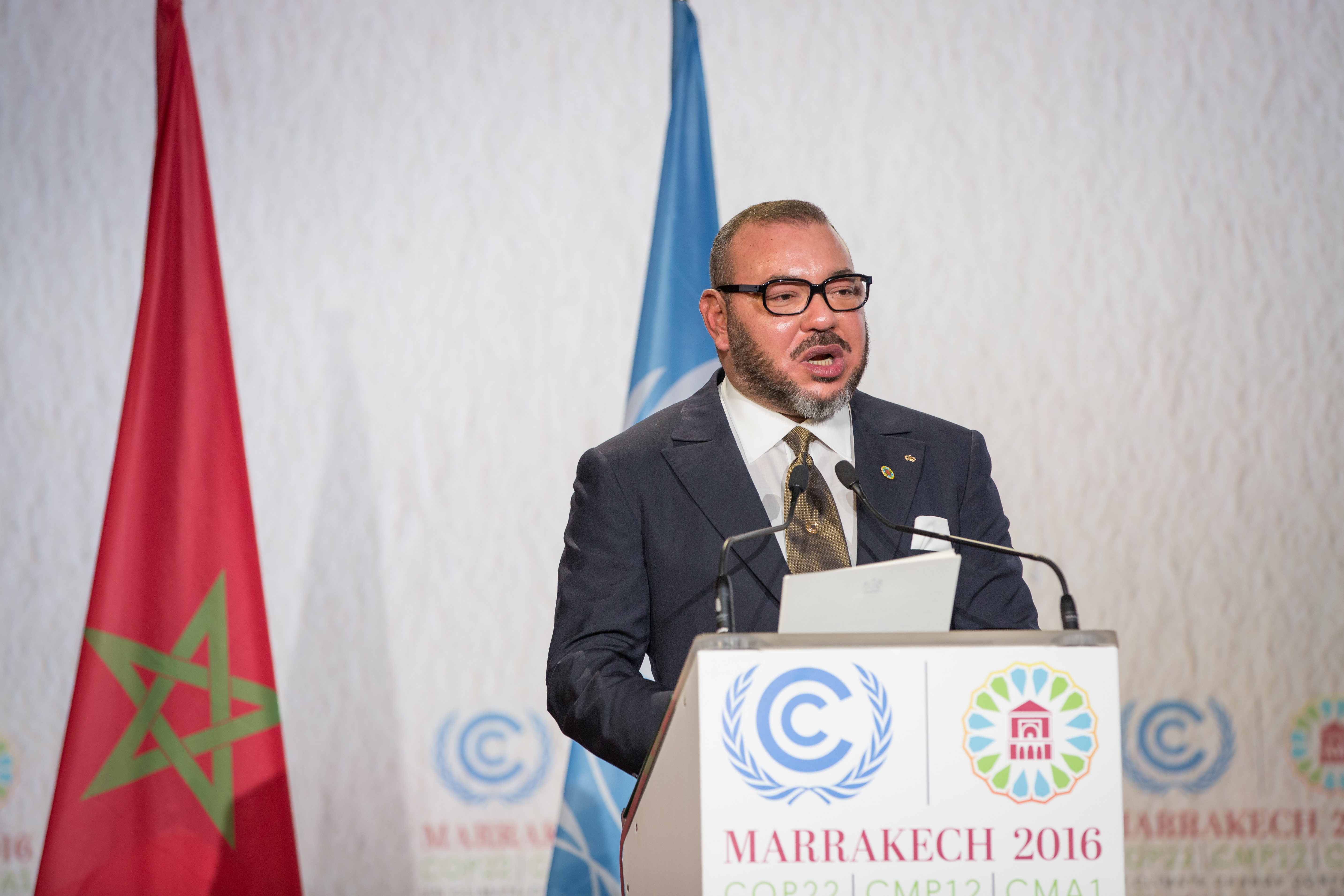
King Mohammed VI appointed Crown Prince Moulay El Hassan to a senior coordinating defence post on Monday [1].
The move is designed to provide the heir to the throne with early exposure to military command and high-level decision-making processes. By integrating the prince into the security apparatus, the monarchy ensures a seamless transition of power, and reinforces the royal family's control over the armed forces.
The appointment took place in Rabat [2]. This strategic placement allows the Crown Prince to oversee coordinating efforts within the defence sector, bridging the gap between administrative oversight and operational command.
This action follows a specific historical precedent within the Moroccan monarchy. In 1985 [3], King Hassan II appointed his own son, the current King Mohammed VI, to a similar role to prepare him for the throne. The current appointment mirrors that trajectory, suggesting a deliberate effort to maintain traditional grooming processes for the royal succession.
The coordinating post is intended to familiarize the prince with the complexities of national security, and the management of military assets. It serves as a practical education in statecraft, placing the future king at the center of the nation's most critical security frameworks.
“King Mohammed VI appointed Crown Prince Moulay El Hassan to a senior coordinating defence post”
This appointment signals a continuation of the Alawite dynasty's strategy to consolidate power by embedding the heir in the military hierarchy. By echoing the 1985 appointment of King Mohammed VI, the monarchy is utilizing a proven blueprint for succession, ensuring that the future sovereign possesses established relationships and authority within the defence establishment before ascending the throne.


