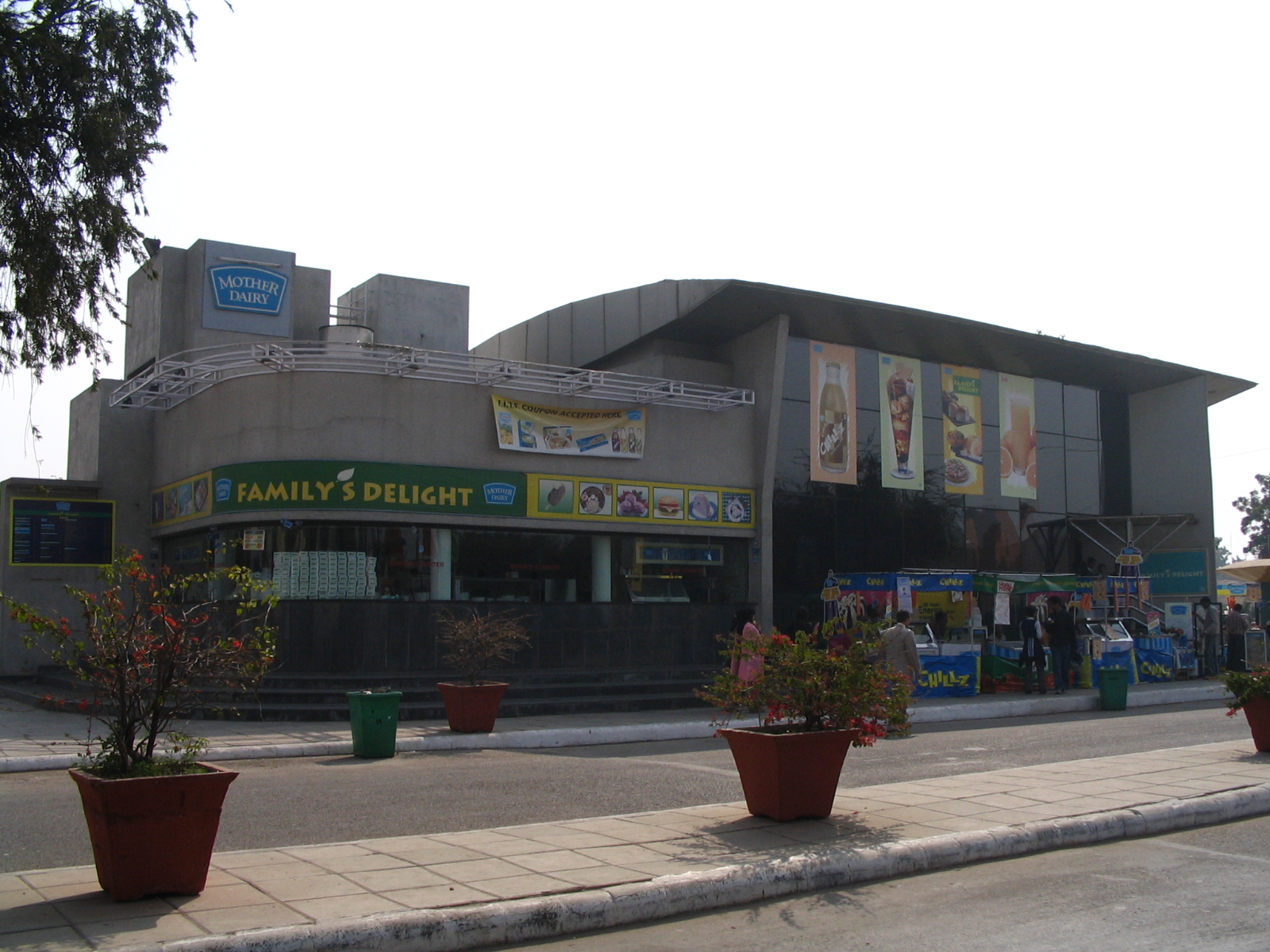
Mother Dairy increased milk prices by ₹2 per litre [1, 2] for its full-cream, toned, and double-toned variants in the Delhi-NCR region.
The price adjustment impacts a primary staple for millions of households in the capital region, highlighting the ongoing struggle with food inflation in India. Because milk is a daily necessity, even small price increments can shift consumer behavior and household budgeting.
The price hike became effective on Dec. 27, 2024 [3]. While some reports indicate the increase was limited to the Delhi-NCR area [2], other data suggests the hike also applied to additional markets [1]. The supplier said the decision was due to a rise in input costs and general inflationary pressure across the dairy sector [4].
Consumer response to these changes has been varied. A survey indicated that 40% of households were affected by the milk price hike [5]. This financial pressure led some consumers to alter their purchasing habits, with some switching to cheaper brands or reducing their overall consumption [1].
Further data on consumer shifts shows that three percent of households stopped buying milk entirely following the price increase [6]. This trend reflects a growing sensitivity to price volatility in the essential goods sector, where low-income families are most vulnerable to cost increases.
The dairy industry continues to face challenges from fluctuating fodder prices and logistics costs. Mother Dairy's move to pass these costs to the consumer is a common response to maintaining margins when procurement costs rise, a cycle that often triggers broader inflation in dairy-based products.
“Mother Dairy increased milk prices by ₹2 per litre”
This price hike illustrates the volatility of the dairy supply chain in India, where input costs directly dictate retail prices. The fact that a small increase led a segment of the population to stop purchasing milk entirely suggests that many households are operating at the edge of their affordability limits for essential nutrition.


