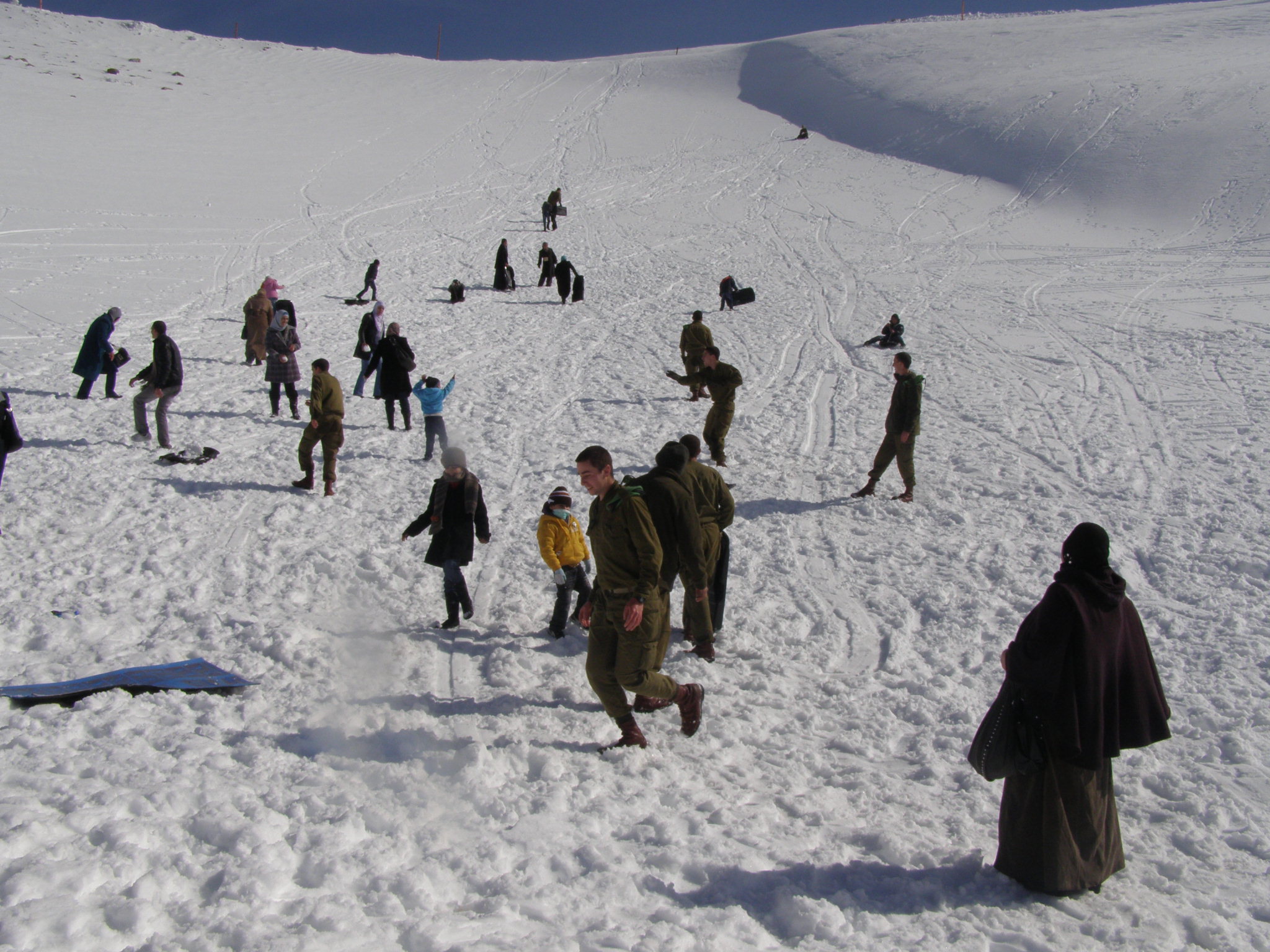
Natural snowfall has begun to improve at Mount Buller and Mount Stirling after the worst start to the Australian ski season in decades [1, 2].
The return of natural snow is critical for the viability of the winter tourism industry in Victoria, where unseasonably warm weather initially threatened the season's operations.
Resorts in the region faced a difficult opening period due to warm early-winter weather that left the slopes with very little natural snow [2, 3]. This lack of precipitation forced operators to rely on artificial means to maintain skiable terrain while awaiting a temperature drop.
Conditions shifted in the final days of June 2026, when a cold spell brought fresh snowfall to the mountains [2, 3]. The change in weather has provided a necessary reprieve for resort managers and visitors alike.
David Clark, the marketing manager for Mount Buller and Mount Stirling, said the resorts finally received natural snow falling from the sky over the last couple of days [1]. Clark said the arrival of the fresh snow was a significant development for the resorts.
"It’s just so good to have that natural stuff on the ground," Clark said [1].
The shift toward more traditional winter conditions comes after weeks of uncertainty regarding the quality, and quantity, of the snowpack. While the start of the season was historically poor, the recent weather patterns suggest a stabilization of the environment necessary for winter sports [2].
“"We finally got the natural snow falling from the sky over the last couple of days."”
The transition from artificial to natural snow at Mount Buller and Mount Stirling reduces the operational costs and environmental impact of snow-making. While the poor start to the season may have affected early bookings, the arrival of natural precipitation is essential for maintaining a sustainable snowpack throughout the remainder of the winter.


