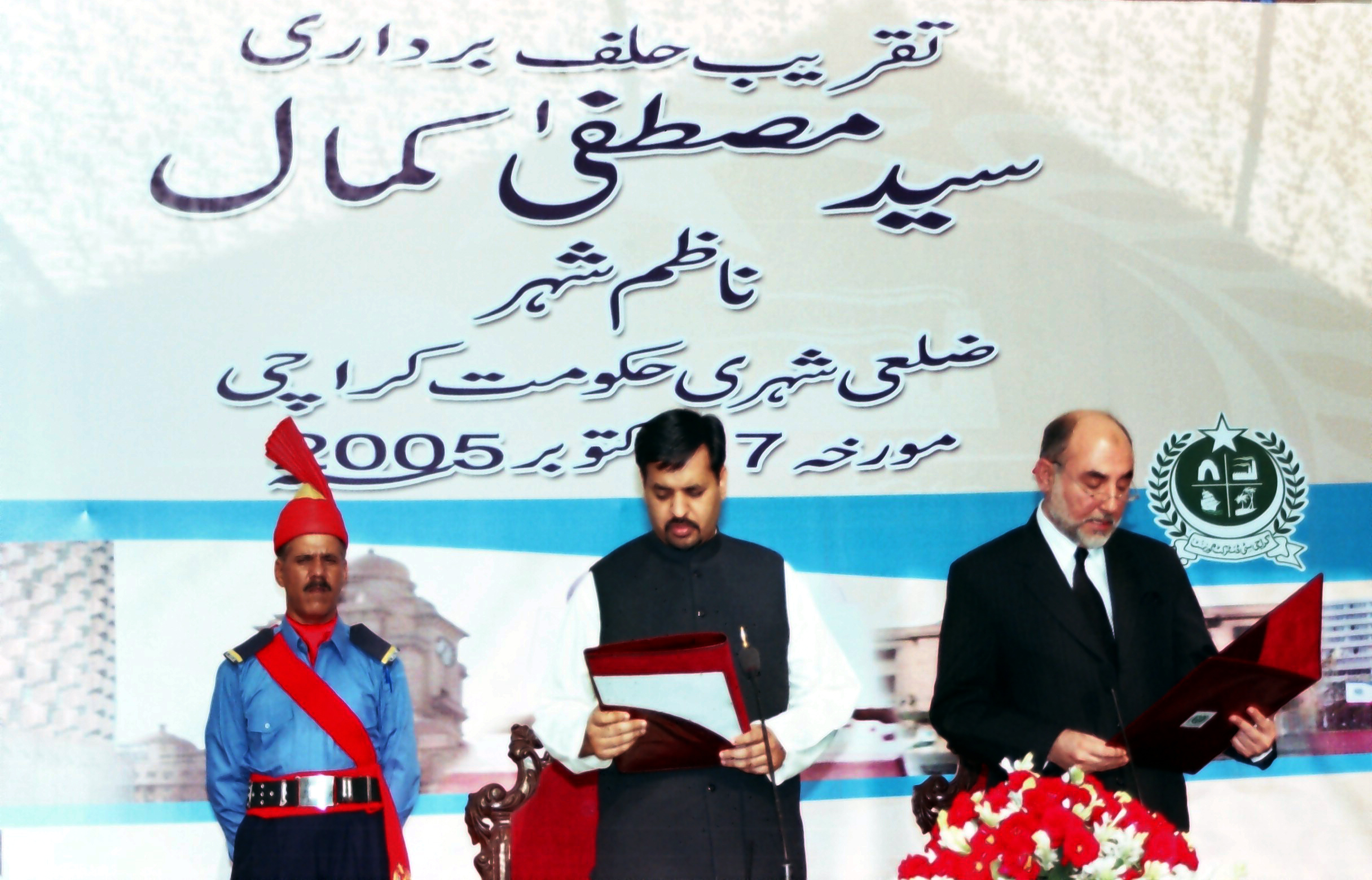
Mustafa Kamal, leader of the MQM-P and Federal Health Minister of Pakistan, said Saturday that the party will launch a street movement in Karachi [1, 2].
The decision to move protests to the streets follows the party's inability to secure expanded local government powers through parliamentary channels [1]. This shift signals a transition from legislative diplomacy to public agitation in one of Pakistan's most populous cities.
Kamal said the party had attempted to achieve its objectives within the formal structures of government. However, those efforts did not yield the necessary results regarding the devolution of power to local authorities [1]. The party now intends to use public demonstrations to pressure the government into granting these powers [1, 2].
The MQM-P has long advocated for a more robust local government system to manage the urban challenges of Karachi. By moving the campaign to the streets, the party seeks to mobilize its base, and create a visible mandate for its demands [1].
This development comes as the party evaluates its influence within the current political landscape. The move to public protest is often used by political entities in the region when legislative deadlock occurs — a strategy aimed at forcing a renegotiation of terms [1].
Kamal said the decision reflects the necessity of taking the issue directly to the people of Karachi to ensure their voices are heard in the corridors of power [2].
“MQM-P announced it will launch a street movement/protest over local government powers after parliamentary attempts failed”
The shift from parliamentary negotiation to street activism suggests a breakdown in diplomacy between the MQM-P and the central or provincial authorities. In the context of Karachi's volatile political history, a return to street-level mobilization often increases pressure on the state to concede to local demands but also raises the risk of civil unrest and instability in the city's administrative functions.


