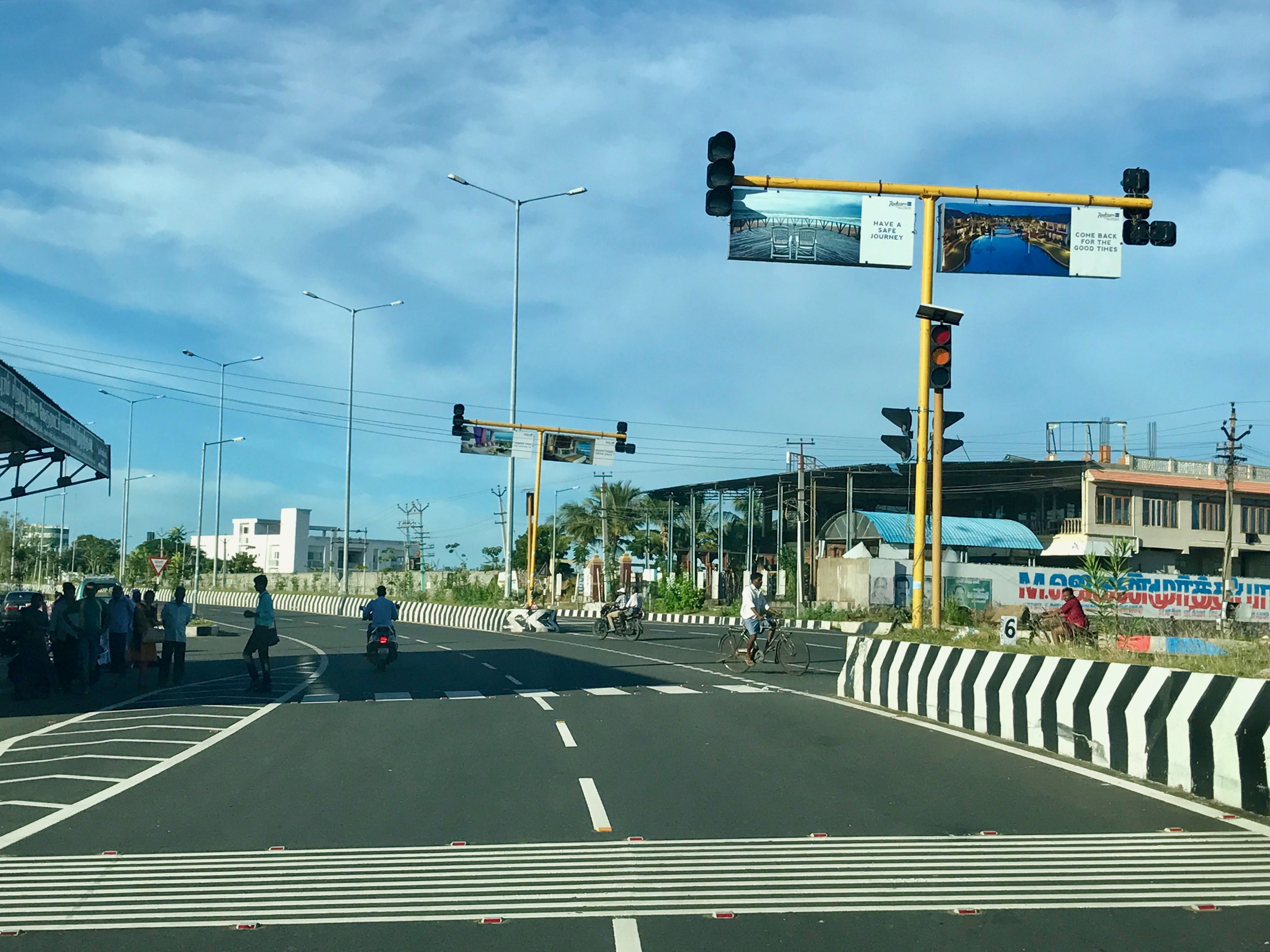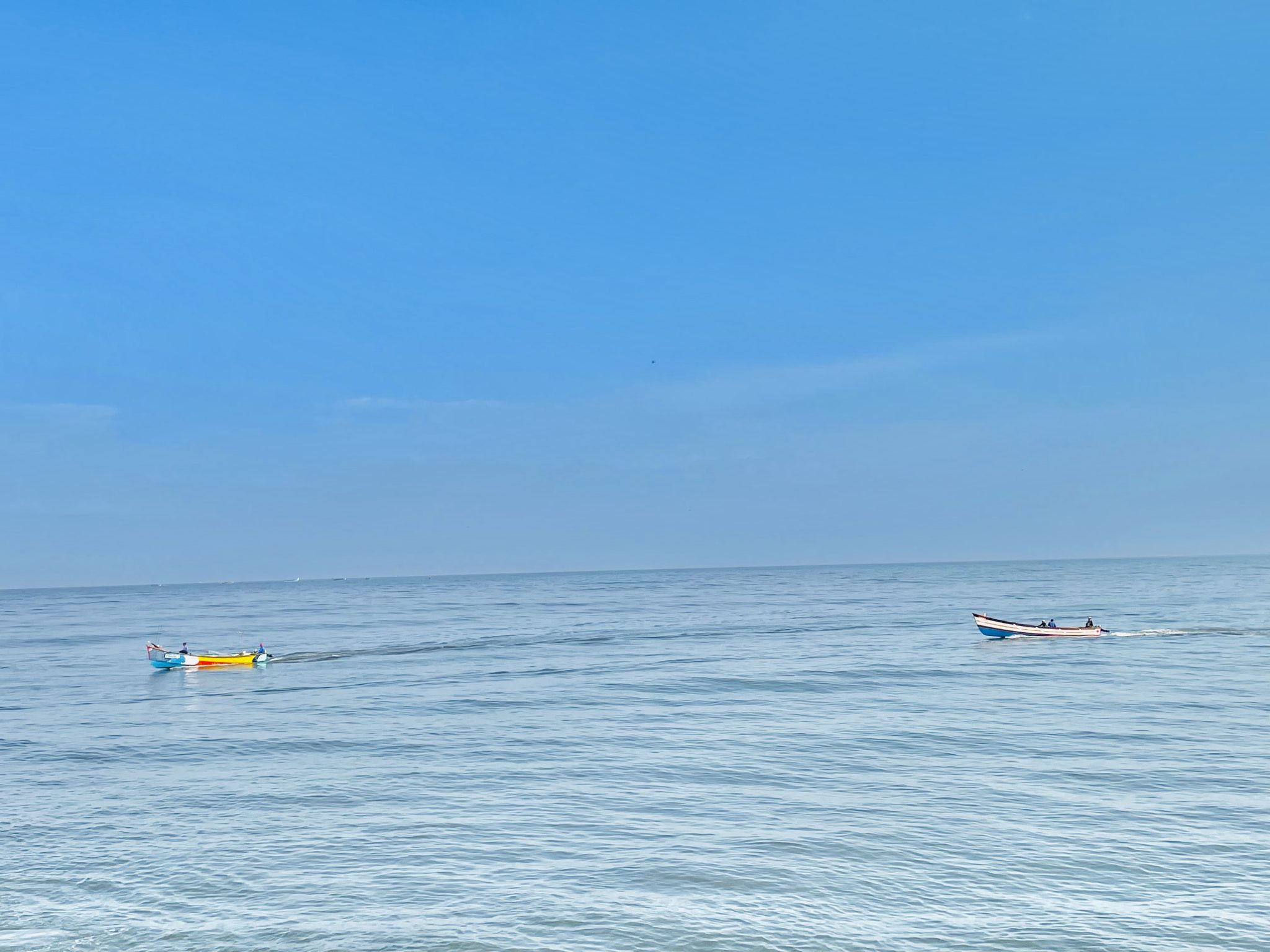
Residents and fishermen in Mukkali, near Vadakara, are calling for the construction of an underpass at the Mukkali bridge [1].
The demand stems from critical safety gaps and increasing traffic congestion that hinder the daily movements of the local workforce. Because the bridge serves as a primary artery for both commuters and those accessing the coast, the lack of a dedicated underpass creates a dangerous intersection of heavy vehicle traffic and pedestrian activity.
Local fishermen have highlighted the specific dangers associated with the current infrastructure. One fisherman said that fishermen face significant risks navigating the bridge [1]. The need for a safer alternative is tied to the unique requirements of the fishing community, who must transport gear and catch across the bridge's path.
Beyond the safety of the fishing community, the broader population of Mukkali is experiencing the effects of gridlock. Local residents said that traffic issues are a major concern [1]. The congestion has created a bottleneck that affects not only the speed of travel, but also the overall quality of life for those living in the vicinity of the bridge.
Advocates for the project argue that an underpass would decouple pedestrian and light-vehicle traffic from the main bridge flow. This separation is seen as the only viable long-term solution to prevent accidents and reduce the daily delays that plague the Vadakara region.
Reporting from The Hindu noted that the growing demand for an underpass at Mukkali highlights safety concerns for local fishermen [1]. The community continues to push for government intervention to modernize the crossing and ensure the safety of those whose livelihoods depend on the sea.
“Fishermen face significant risks navigating the bridge.”
The situation at Mukkali bridge reflects a common infrastructure gap in coastal Kerala, where traditional livelihoods like fishing clash with modern traffic demands. The push for an underpass is not merely about convenience but is a request for a safety intervention to prevent casualties in a high-traffic zone.