
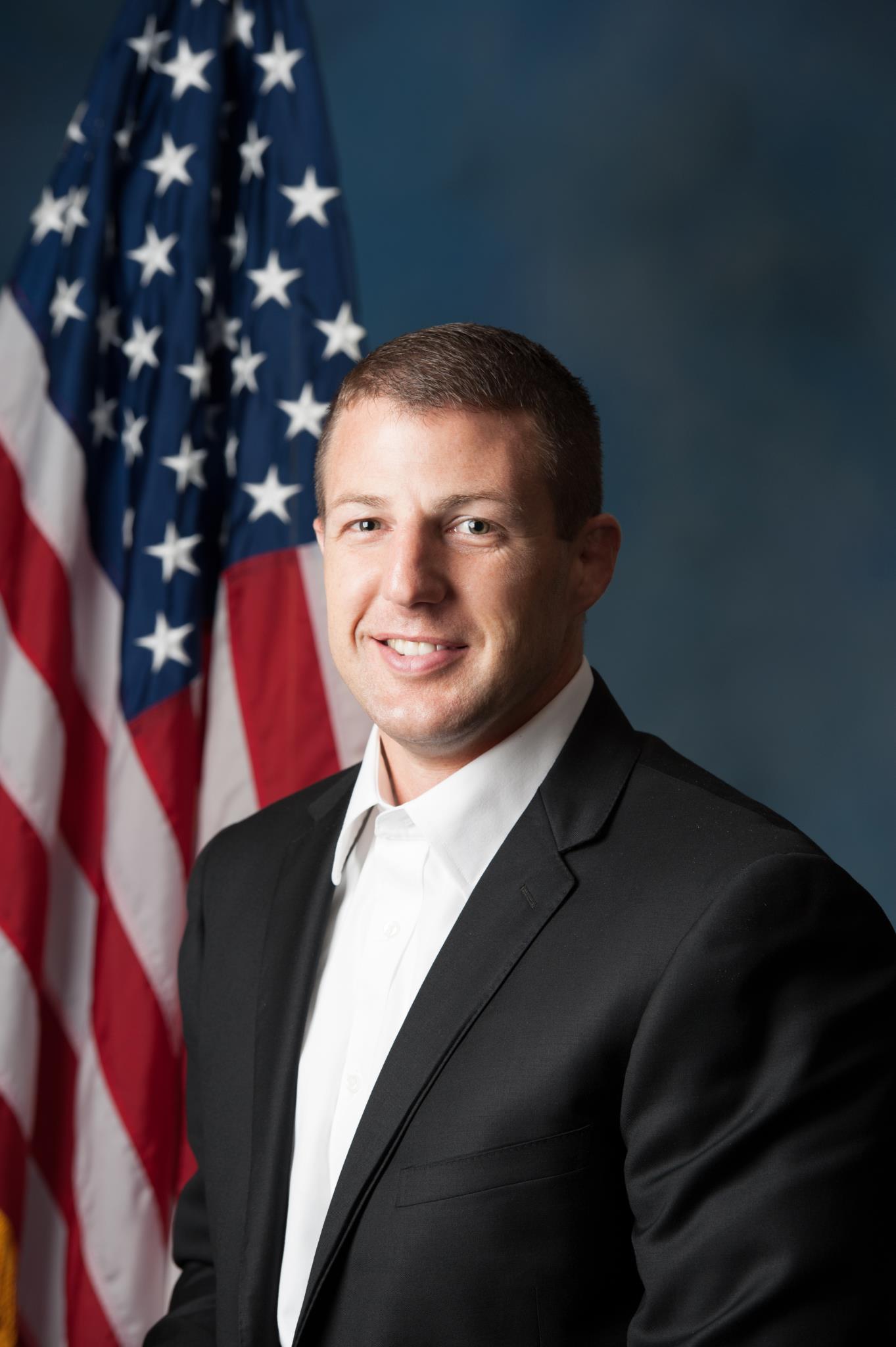
Department of Homeland Security Secretary Markwayne Mullin testified before the House Homeland Security Committee Wednesday morning regarding the department's fiscal year 2027 budget request [1].
The hearing arrives as the administration seeks funding for critical security infrastructure and immigration enforcement. The proceedings highlight the ongoing friction between the executive branch and lawmakers over the management of border security and the treatment of detainees.
Mullin appeared on Capitol Hill for a second consecutive day of testimony [2]. The session focused on President Trump's budget priorities for the 2027 fiscal year [1], specifically targeting the funding needed to maintain and expand the department's operational capabilities.
During the hearing, Mullin faced questioning from Democratic committee members regarding the department's current immigration policies. The discussions included the handling of protests at Immigration and Customs Enforcement (ICE) facilities [3]. These exchanges underscored a divide in how the department and its critics view the balance between enforcement and human rights.
The secretary said the budget request was necessary for national security. The House Homeland Security Committee serves as the primary oversight body for these expenditures, ensuring that requested funds align with legislative priorities, and security needs [1].
While some reports indicated the secretary appeared before the Senate, multiple sources confirmed the testimony took place before the House Homeland Security Committee [1, 3]. The budget request for FY 2027 remains a central point of contention as Congress determines the allocation of resources for border patrol and interior enforcement [1].
“Mullin appeared on Capitol Hill for a second consecutive day of testimony.”
The FY 2027 budget hearings signal a pivot toward more aggressive funding for immigration enforcement and border security. By defending the budget against Democratic criticism of ICE facilities, the DHS is signaling that operational security will take precedence over policy concessions, likely leading to a protracted funding battle in Congress.


