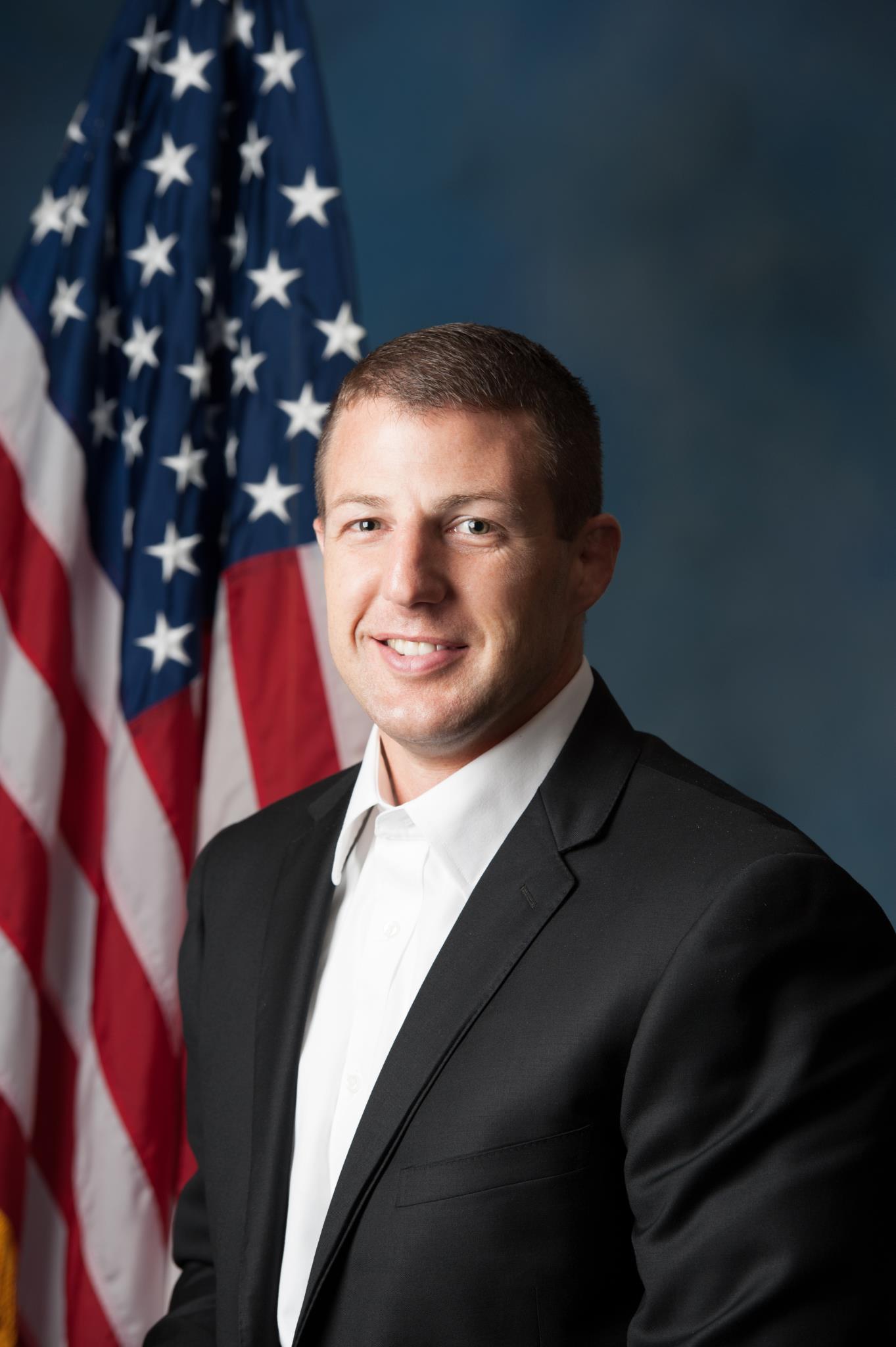
Sen. Markwayne Mullin (R-OK), appointed DHS secretary less than a month ago, is already drawing fire from Democrats and immigration hard‑liners.
The dispute matters because DHS policy shapes immigration enforcement, border security, and federal funding, affecting millions of migrants and U.S. communities. Democrats say Mullin's approach falls short of robust enforcement, while hard‑right advocates say his calls for additional funding and perceived moderation betray the administration's promises. Both Democrats and immigration hard‑liners are voicing displeasure with Mullin's early moves.[1][3]
Mullin, a former congressman, was confirmed by the Senate in Washington, D.C.—the site of a contentious hearing that highlighted partisan divisions[5]. He assumed office on April 18, 2026, less than a month before the criticism erupted.[1] The criticism comes less than a month into his tenure.
In his first weeks, Mullin signaled a willingness to allocate more resources to ICE while also urging a calibrated enforcement strategy, a blend that some see as moderation.[2]
Democratic leaders said the secretary's stance does not meet the party's expectations for protecting vulnerable populations.[1]
Conversely, hard‑right immigration groups said Mullin's tone is too cautious and demanded a tougher line and increased budgetary support. Mullin's perceived moderation is drawing ire from the hard‑right.[3]
Both camps are pressing Mullin to clarify his agenda, and the early backlash could shape the department's direction for the remainder of the administration.
What this means: The bipartisan criticism underscores the political tightrope the Department of Homeland Security faces. Mullin must balance enforcement demands from the right with humanitarian concerns from the left, and the early pressure may force a clearer, possibly more aggressive, policy trajectory as the administration seeks to avoid gridlock.
“Both Democrats and immigration hard‑liners are voicing displeasure with Mullin's early moves.”
The bipartisan criticism underscores the political tightrope the Department of Homeland Security faces. Mullin must balance enforcement demands from the right with humanitarian concerns from the left, and the early pressure may force a clearer, possibly more aggressive, policy trajectory as the administration seeks to avoid gridlock.


