
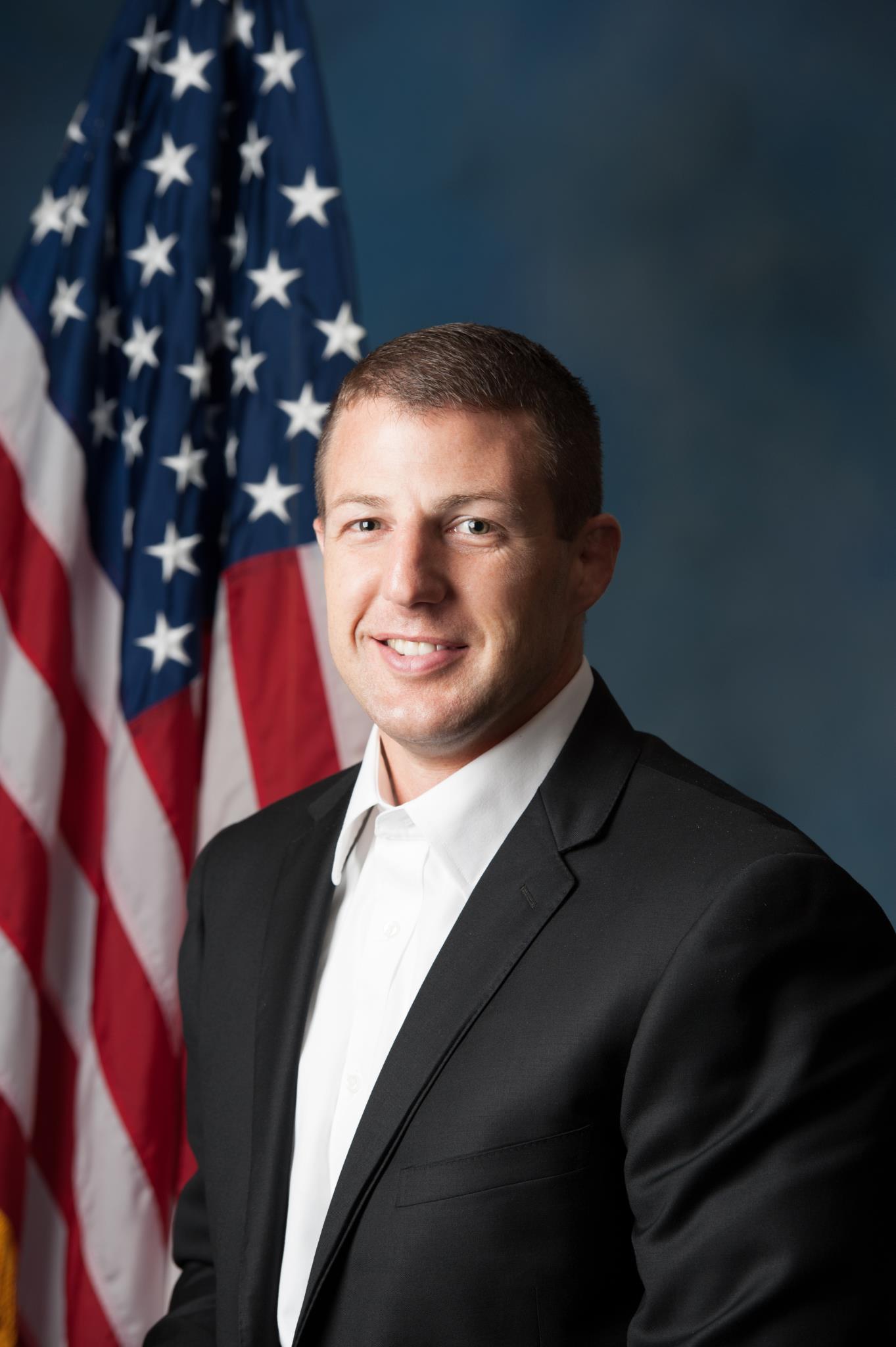
Secretary of Homeland Security Markwayne Mullin responded to allegations that his department is breaking the law during a Senate hearing on Tuesday.
The exchange highlights growing tension between the administration and lawmakers over the legality of border operations and the management of federal funds. As the government negotiates the budget for the next fiscal year, these disputes center on whether the Department of Homeland Security is adhering to judicial mandates.
During the Senate Appropriations Committee hearing in Washington, D.C., Sen. Chris Murphy (D-CT) accused the department of financial recklessness. Murphy said the agency is spending money like "stone drunk sailors" [2]. He said "nothing has really gotten better" [3] regarding the issues at hand.
Mullin defended the department's actions and addressed questions regarding compliance with court orders. The confrontation occurred while Mullin was presenting the administration's budget request for fiscal year 2027 [1].
Murphy alleged that the department is violating the law in its current operations. Mullin rebuffed these claims, delivering a response regarding the department's commitment to legal standards, and the execution of its duties. The hearing focused on the intersection of immigration enforcement and the legal constraints imposed by the court system.
The Secretary's testimony comes amid ongoing debates over the role of Immigration and Customs Enforcement and the administration's approach to border security. The committee is currently reviewing the financial requirements necessary to sustain these operations into the next year.
“"Nothing has really gotten better."”
The clash between Secretary Mullin and Senator Murphy reflects a broader systemic conflict over the executive branch's interpretation of law versus judicial oversight. By challenging the DHS's spending habits and legal compliance during a budget hearing, lawmakers are attempting to use the appropriations process as a lever to force changes in how the administration handles border and immigration policy.


