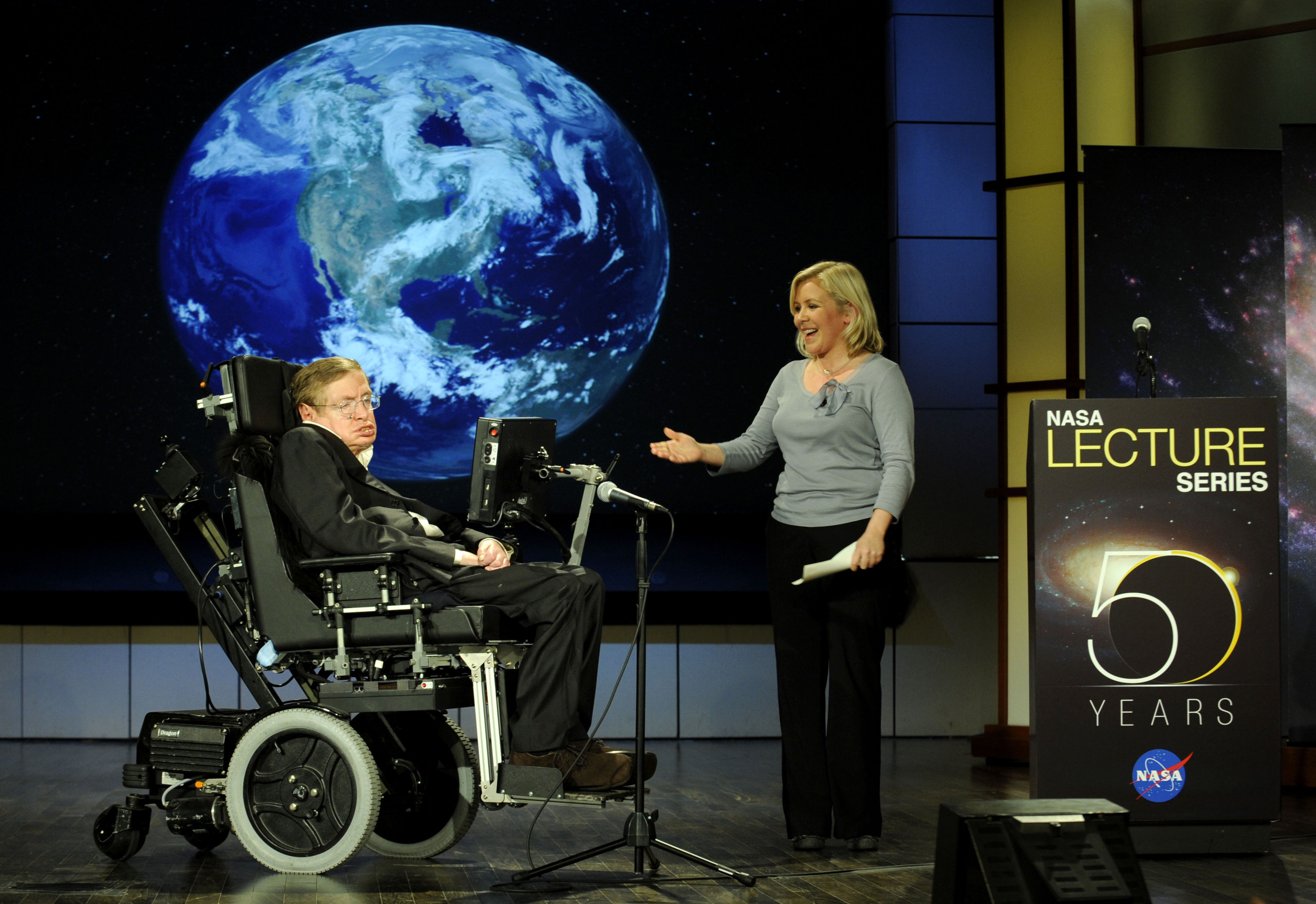
Physicists have identified the multiverse as a mathematical consequence of cosmic inflation and quantum mechanics [1].
This theoretical framework challenges the traditional view of a single universe by suggesting our cosmos is one of many. If these models are correct, the origin of our universe was not a unique event but part of a larger, ongoing process.
The theory stems from the study of the Big Bang and the rapid expansion that followed. According to current cosmological models, the mechanism of inflation, a period of exponential growth in the early universe, does not simply stop everywhere at once [1]. Instead, different regions of space may stop inflating at different times, creating a series of "bubble universes" within a vast, ever-expanding sea.
Quantum mechanics further supports this possibility by introducing the concept of probability and state superposition. When combined with inflationary theory, the result is a landscape where nearly every possible variation of physical laws and constants could exist in a separate universe [1].
This perspective shifts the focus from why our specific universe has the properties it does to how those properties emerge from a broader mathematical distribution. The multiverse is not presented as a speculative guess, but as a result derived from the equations used to describe the early expansion of space [1].
While these theories cannot be observed directly with current telescopes, they provide a framework for understanding the fine-tuning of the laws of physics. By treating our universe as a single instance in a wider collection, scientists can explain the specific conditions that allow for the existence of stars, planets, and life [1].
“The multiverse is a mathematical consequence of inflation and quantum mechanics.”
The shift toward a multiverse model suggests that the Big Bang was not the absolute beginning of all existence, but rather a local event. This transition in cosmology moves the search for universal laws toward a statistical understanding of a vast array of universes, potentially resolving the 'fine-tuning' problem where the physical constants of our universe seem perfectly calibrated for life.
'%2F%3E%0A%20%20%20%20%3Crect%20width%3D'1600'%20height%3D'900'%20fill%3D'url(%23v)'%2F%3E%0A%20%20%20%20%3Cg%20opacity%3D'0.08'%20fill%3D'%23ffffff'%3E%0A%20%20%20%20%20%20%3Ccircle%20cx%3D'1420'%20cy%3D'180'%20r%3D'220'%2F%3E%0A%20%20%20%20%20%20%3Ccircle%20cx%3D'1500'%20cy%3D'760'%20r%3D'120'%2F%3E%0A%20%20%20%20%3C%2Fg%3E%0A%20%20%20%20%3Cline%20x1%3D'80'%20y1%3D'172'%20x2%3D'220'%20y2%3D'172'%20stroke%3D'%23ffffff'%20stroke-width%3D'3'%20stroke-opacity%3D'0.6'%2F%3E%0A%20%20%20%20%3Ctext%20x%3D'80'%20y%3D'140'%20font-family%3D'Inter%2C%20-apple-system%2C%20Helvetica%2C%20sans-serif'%20font-weight%3D'700'%20font-size%3D'28'%20fill%3D'%23ffffff'%20letter-spacing%3D'6'%3EHANNA%20%C2%B7%20NEWS%3C%2Ftext%3E%0A%20%20%20%20%3Ctext%20x%3D'80'%20y%3D'230'%20font-family%3D'Inter%2C%20-apple-system%2C%20Helvetica%2C%20sans-serif'%20font-weight%3D'600'%20font-size%3D'40'%20fill%3D'%23ffffffb3'%20letter-spacing%3D'4'%3ESCIENCE%3C%2Ftext%3E%0A%20%20%20%20%3Ctext%20x%3D'80'%20y%3D'622'%20font-family%3D'Playfair%20Display%2C%20Georgia%2C%20serif'%20font-weight%3D'800'%20font-size%3D'86'%20fill%3D'%23ffffff'%20letter-spacing%3D'-1'%3ECleveland%20Clinic%20Highlights%3C%2Ftext%3E%3Ctext%20x%3D'80'%20y%3D'721'%20font-family%3D'Playfair%20Display%2C%20Georgia%2C%20serif'%20font-weight%3D'800'%20font-size%3D'86'%20fill%3D'%23ffffff'%20letter-spacing%3D'-1'%3ELung%20Cancer%20Screening%3C%2Ftext%3E%3Ctext%20x%3D'80'%20y%3D'820'%20font-family%3D'Playfair%20Display%2C%20Georgia%2C%20serif'%20font-weight%3D'800'%20font-size%3D'86'%20fill%3D'%23ffffff'%20letter-spacing%3D'-1'%3EServices%3C%2Ftext%3E%0A%20%20%20%20%3Ctext%20x%3D'80'%20y%3D'870'%20font-family%3D'Inter%2C%20-apple-system%2C%20Helvetica%2C%20sans-serif'%20font-weight%3D'500'%20font-size%3D'22'%20fill%3D'%23ffffff66'%20letter-spacing%3D'2'%3Enews.hanna-ai.com%3C%2Ftext%3E%0A%20%20%3C%2Fsvg%3E)

