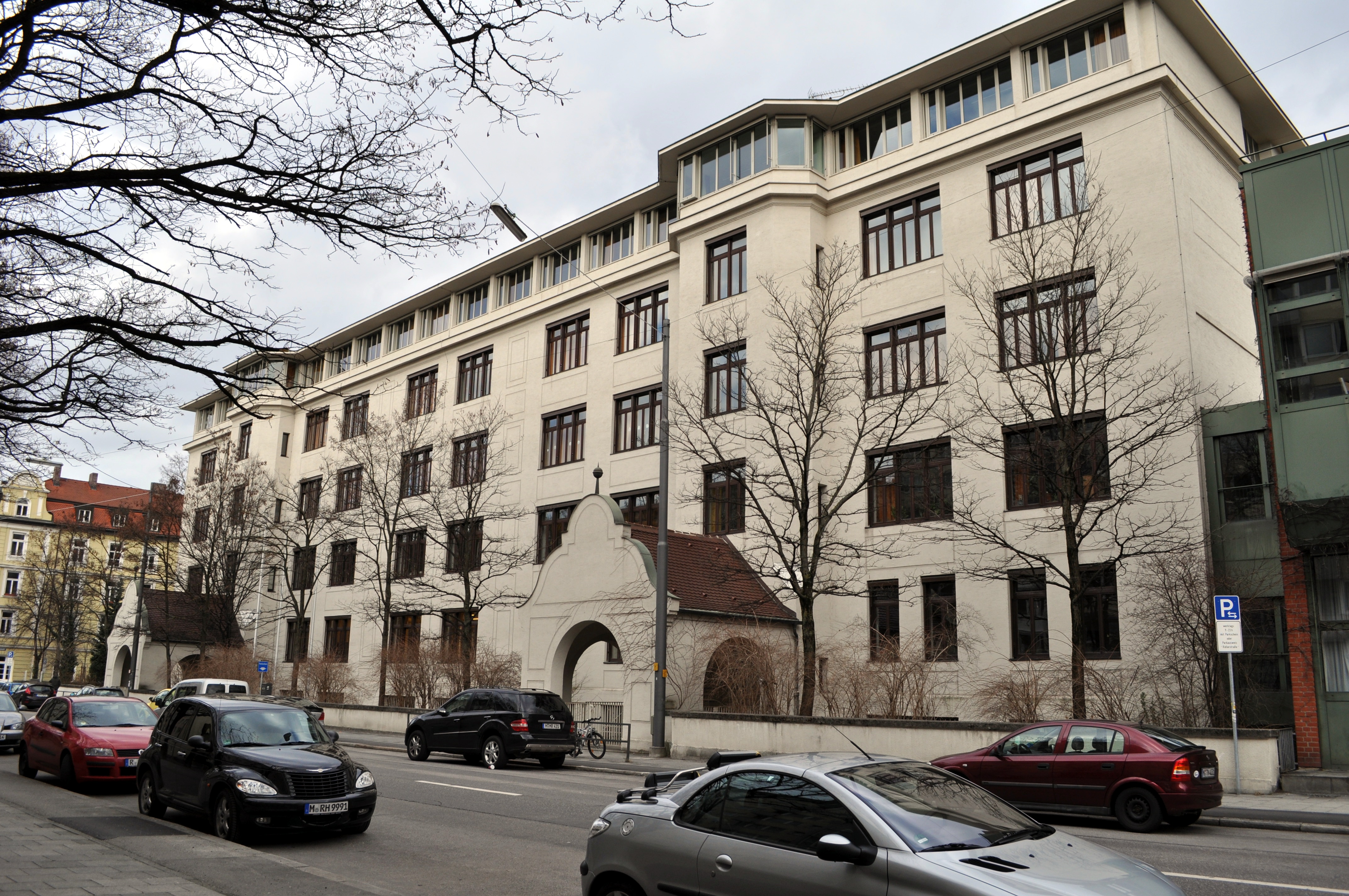
The Carl-von-Linde Realschule in Munich has banned toothpicks on its school grounds [1].
The administration implemented the restriction to address a specific behavioral trend originating in the U.S. that the school considers problematic [1]. While the specific nature of the trend was not detailed in the announcement, the ban targets the presence of the items across the entire campus [1].
The decision by the school principal reflects a growing concern over how viral trends from overseas can influence student behavior in German classrooms [1]. By removing the objects, the school aims to eliminate the catalyst for the trend and maintain a safe environment for students, and staff [1].
This measure is part of a broader effort by some educational institutions in Germany to proactively manage the impact of social media trends [1]. The school has not specified if the ban is temporary or if it will be expanded to other small household objects [1].
Local officials in Bavaria have not issued a wider mandate for such bans, leaving the decision to individual school leadership [1]. The Carl-von-Linde Realschule remains the primary institution in Munich reporting this specific restriction in response to the U.S.-led trend [1].
“The Carl-von-Linde Realschule in Munich has banned toothpicks on its school grounds.”
This incident highlights the rapid transmission of digital subcultures from the US to Europe, where small, innocuous objects can become symbols of disruptive trends. The school's reaction suggests that administrators are increasingly viewing social media-driven behaviors as tangible security or disciplinary risks that require physical interventions.