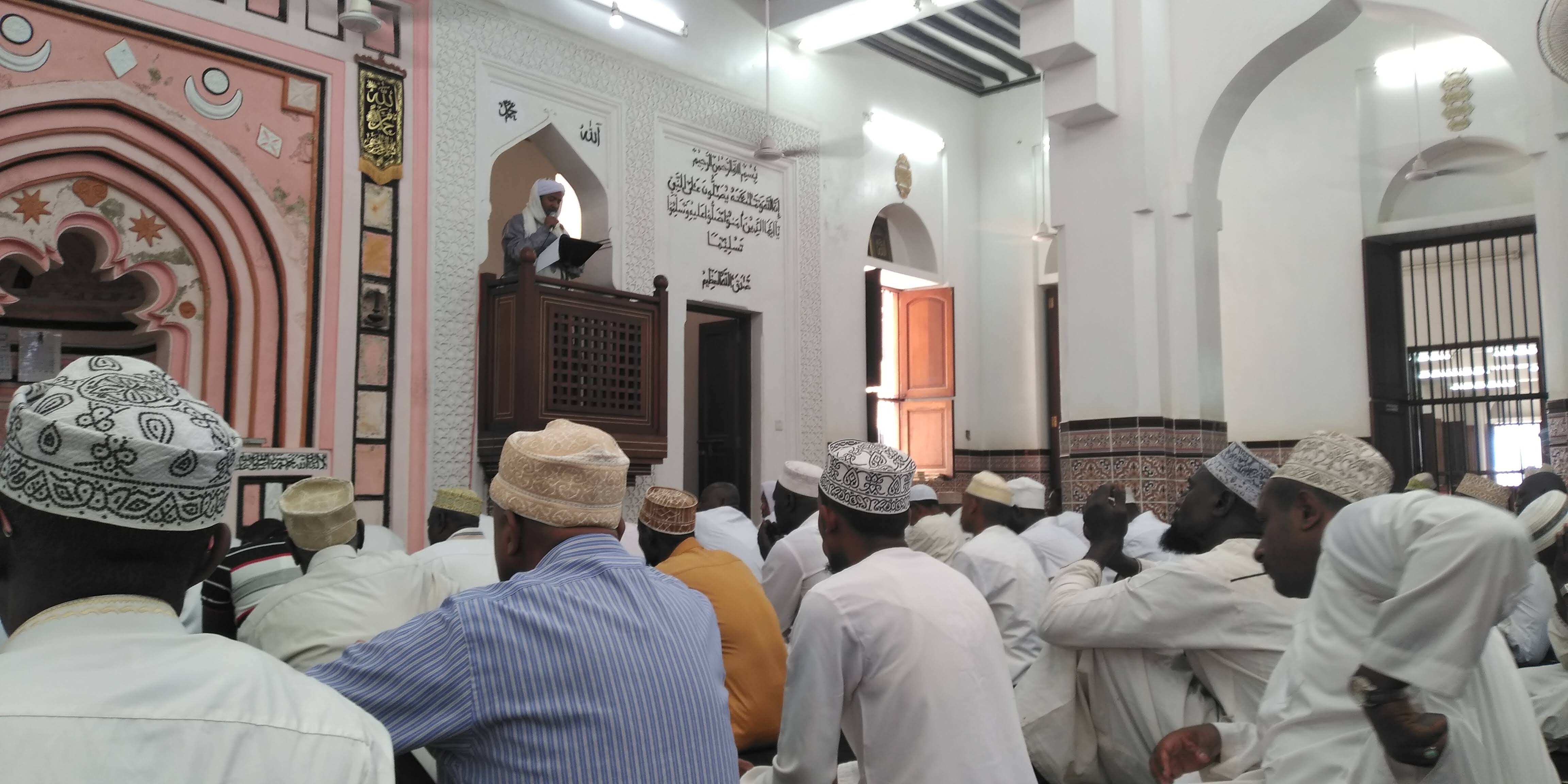
Murtadha Gusau delivered a Friday sermon focusing on the importance and position of the Sunnah within the Islamic faith [1].
The discourse addresses fundamental theological questions regarding how prophetic traditions complement the Quran to guide religious practice. By defining the role of the Sunnah, the sermon seeks to clarify the framework through which believers interpret divine legislation.
Gusau opened the address by praising the divine structure of the faith. "All praise belongs to Allah, who established and legislated the religion, sent down the Reminder (az-Zikr), and guaranteed its preservation," Gusau said [1].
The sermon explores the Sunnah as a primary source of guidance. The discussion emphasizes that the traditions and practices of the Prophet serve as a necessary extension of the written word, providing the practical application of spiritual laws, a central pillar for maintaining orthodoxy.
Throughout the sermon, Gusau highlighted the struggle between established truth and opposing views. "All praise belongs to Allah, the Clear Truth, who establishes the truth and nullifies falsehood, even if the criminals dislike it," Gusau said [1].
The address serves as a reminder to the community of the need for adherence to established traditions to avoid deviation. By centering the conversation on the Sunnah, the sermon encourages a return to foundational teachings to ensure the continuity of the faith in a modern context.
“The discourse addresses fundamental theological questions regarding how prophetic traditions complement the Quran.”
This sermon reflects ongoing theological efforts to reinforce the authority of the Sunnah in regions with significant Muslim populations, such as Nigeria. By emphasizing the Sunnah as a safeguard against 'falsehood,' the discourse aims to stabilize religious interpretation and discourage divergent interpretations of Islamic law.


