Elon Musk said Neuralink’s upcoming Blindsight brain-implant chip represents "Jesus-level" technology that could restore vision for blind people [1, 2].
This development marks a significant escalation in Neuralink's goals, moving from general motor control and communication toward the restoration of sensory perception. If successful, the technology could fundamentally change the quality of life for millions of people living with total blindness.
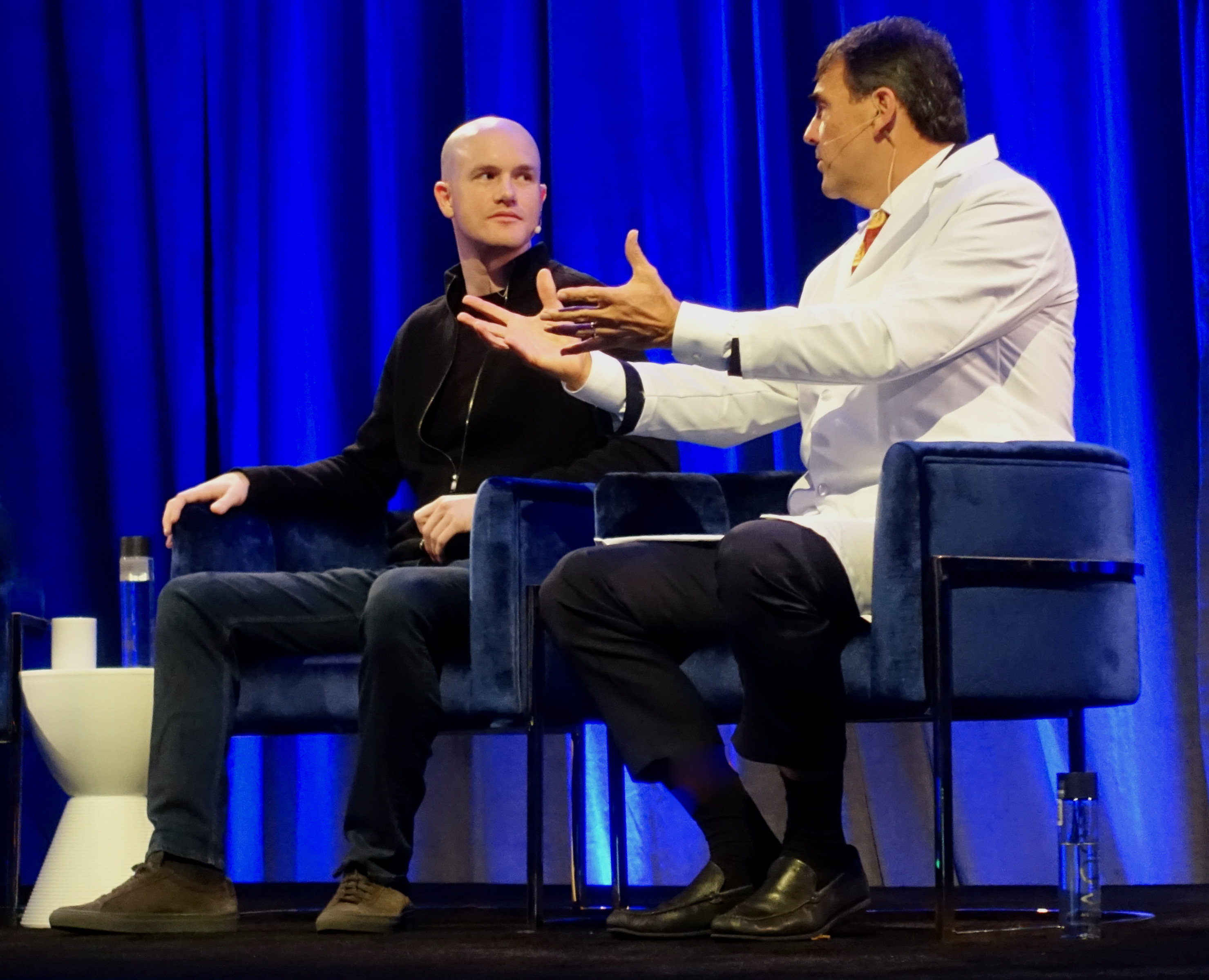
Musk said the project during an interview on Monday at the Forbes Innovator 250 Celebration held at Hotel Nia in Silicon Valley [1, 3]. He used the "Jesus-level" descriptor to emphasize the potential of the device to perform what he views as a near-miraculous restoration of sight [1, 2].
The project was previously highlighted at the ninth [2] International Samsung Smart Mobility Summit in Israel [2, 3]. According to the company, Neuralink plans to conduct the first human implant of the Blindsight chip later this year [2].
The chip is designed to bypass the eyes and optic nerves to deliver visual information directly to the brain. While the company has not released specific technical benchmarks for the resolution of the restored sight, the objective remains to enable blind individuals to see again [2].
Musk has frequently positioned Neuralink as a tool for both medical restoration and human enhancement. The Blindsight chip represents the company's most ambitious attempt to date to treat sensory loss through high-bandwidth neural interfaces [1, 2].
“"Jesus-level" technology that could restore vision for blind people”
The pursuit of vision restoration via brain-computer interfaces represents a shift from assistive technology to regenerative technology. By targeting the visual cortex directly, Neuralink aims to bypass damaged biological pathways, which could potentially treat forms of blindness that are currently considered irreversible by traditional medicine.