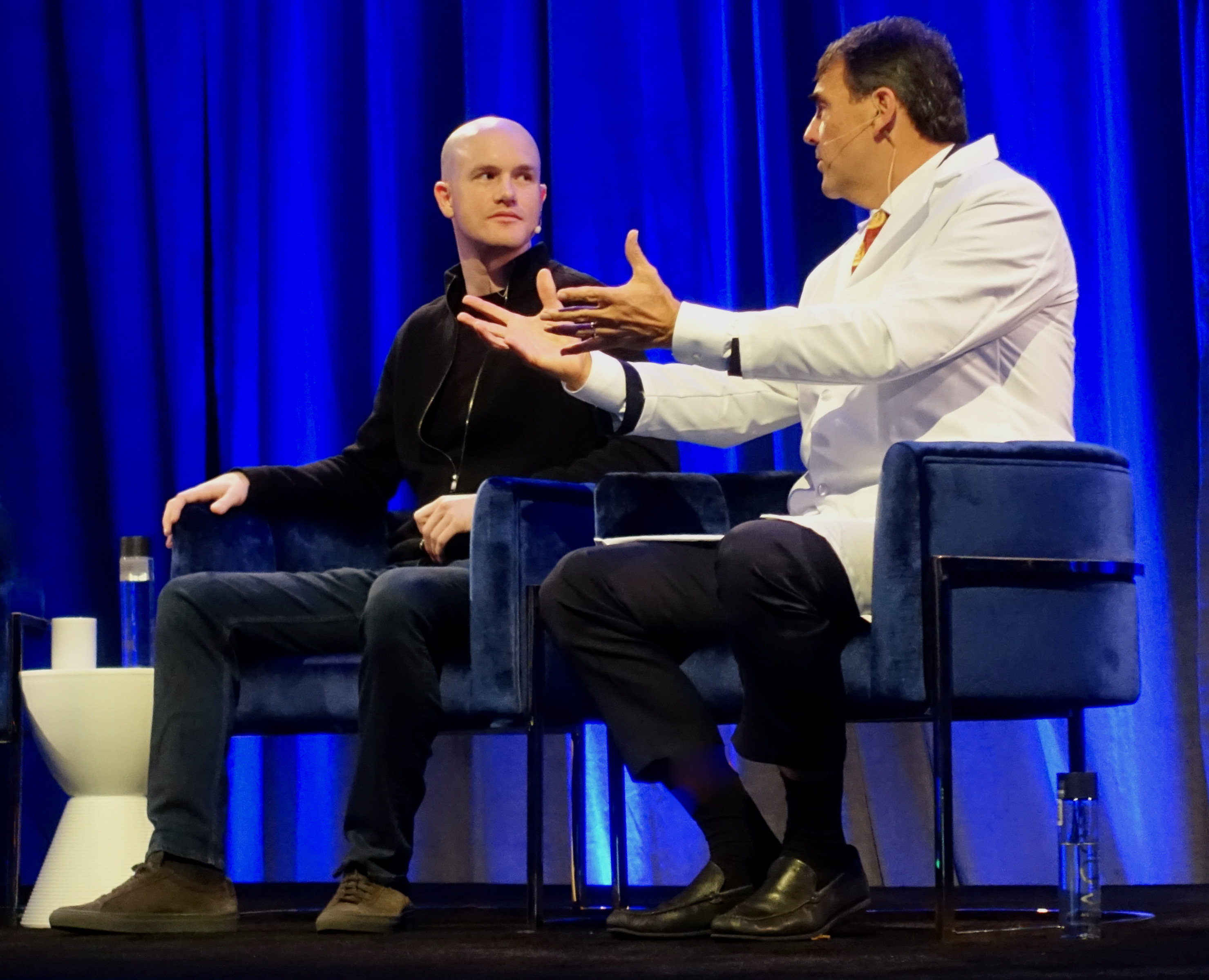
A U.S. federal jury dismissed a lawsuit filed by Elon Musk against OpenAI and its chief executive, Sam Altman, on Monday [1].
The ruling concludes a high-stakes legal battle over the governance and mission of the artificial intelligence company. By rejecting the claims, the court prevents a massive financial payout and removes a significant legal cloud hanging over the organization's leadership.
Musk had sought $150 billion [1] in damages. The jury found the defendants not liable on all claims, determining that Musk had waited too long to file the suit [3]. Because the legal action was brought after the applicable time limit had passed, the claims were barred by the statute of limitations [2].
The dispute centered on allegations regarding the transition of OpenAI from a non-profit entity to a commercial powerhouse. Musk, an early donor to the organization, argued that the company had drifted from its original goal of developing AI for the benefit of humanity.
Court documents indicate the jury's decision focused on the timing of the filing rather than the merits of the underlying grievances [3]. This procedural victory for OpenAI and Sam Altman ensures that the company can continue its operations without the immediate threat of a multi-billion dollar judgment.
Representatives for the defendants said they would not provide further comment on the specific timeline used by the jury to determine the statute of limitations [2]. The decision marks a definitive end to this specific legal challenge brought by the Tesla and SpaceX founder against the AI firm [1].
“A federal jury dismissed Elon Musk's $150 billion lawsuit against OpenAI”
This ruling underscores the critical importance of procedural timelines in corporate litigation. By dismissing the case on the statute of limitations rather than the merits of the breach-of-contract or governance claims, the court avoided a public trial into OpenAI's internal shift from non-profit to for-profit. This provides OpenAI with continued stability as it scales its commercial products and avoids a potentially disruptive financial liability.