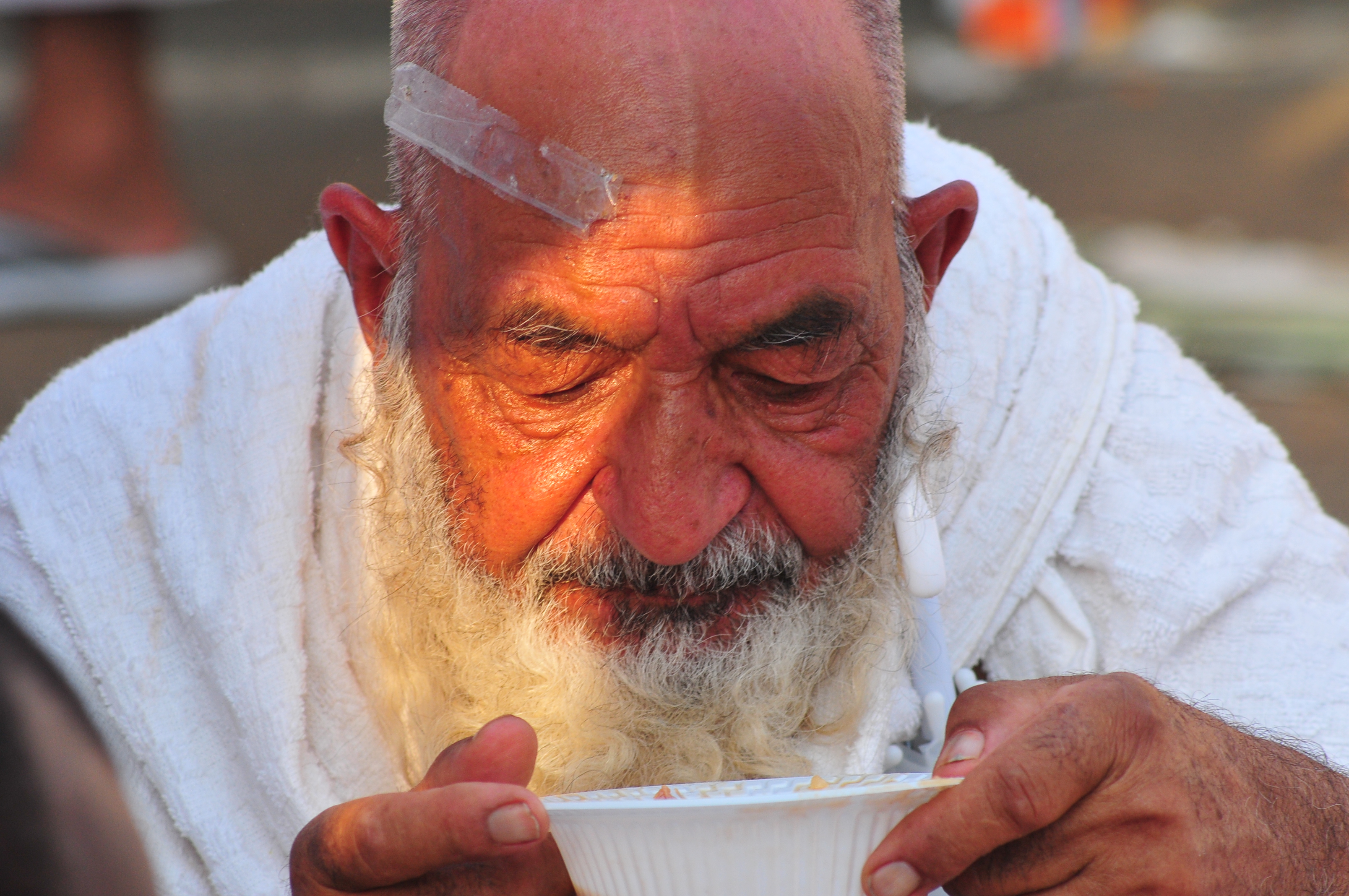
Millions of Muslim pilgrims gathered on Mount Arafat on Tuesday, Aug. 20, 2024, to pray during the peak of the Hajj pilgrimage.
This gathering represents the spiritual climax of the Hajj, known as the Day of Arafah. It is the most critical stage of the pilgrimage, where worshippers seek forgiveness and perform combined prayers in a collective act of repentance.
The worshippers converged on Mount Arafat, a rocky hill standing 70 metres high [1] located near Mecca, Saudi Arabia [1]. Clad in traditional white robes, the pilgrims spent the day in prayer and reflection despite challenging environmental conditions. Temperatures during the prayers reached around 40 °C [1].
Reports on the total number of participants vary across sources. Some estimates state more than 1.5 million people joined the Hajj this year [1]. Other reports indicate a higher turnout, with more than 2 million Muslims gathering [3], or more than 2.3 million pilgrims participating in the five-day ritual [2]. The highest estimate suggests over 3 million Muslims converged on the site [4].
The Day of Arafah is a mandatory part of the pilgrimage. Pilgrims spend the day standing in prayer, reflecting on their lives and asking for divine mercy. This event marks the transition to the final stages of the Hajj, which include the circling of the Kaaba and the symbolic stoning of the devil.
Saudi authorities manage the flow of millions of people to ensure safety and order on the hill. The sheer scale of the gathering, ranging from 1.5 million [1] to over 3 million [4] people, requires significant logistical coordination to prevent overcrowding and manage heat-related health risks.
“Millions of Muslim pilgrims gathered on Mount Arafat on Tuesday, Aug. 20, 2024, to pray during the peak of the Hajj pilgrimage.”
The gathering at Mount Arafat underscores the immense logistical and spiritual scale of the Hajj. The variance in attendance figures, ranging from 1.5 million to 3 million, highlights the difficulty of tracking real-time movement in one of the world's largest annual human migrations, while the extreme heat emphasizes the physical risks pilgrims face during the ritual's climax.