Spanish authorities evacuated passengers and crew from the cruise ship MV Hondius on Sunday following a suspected hantavirus outbreak [1].
The operation represents a high-priority public health response to contain a potentially severe respiratory virus and ensure the medical safety of international travelers.
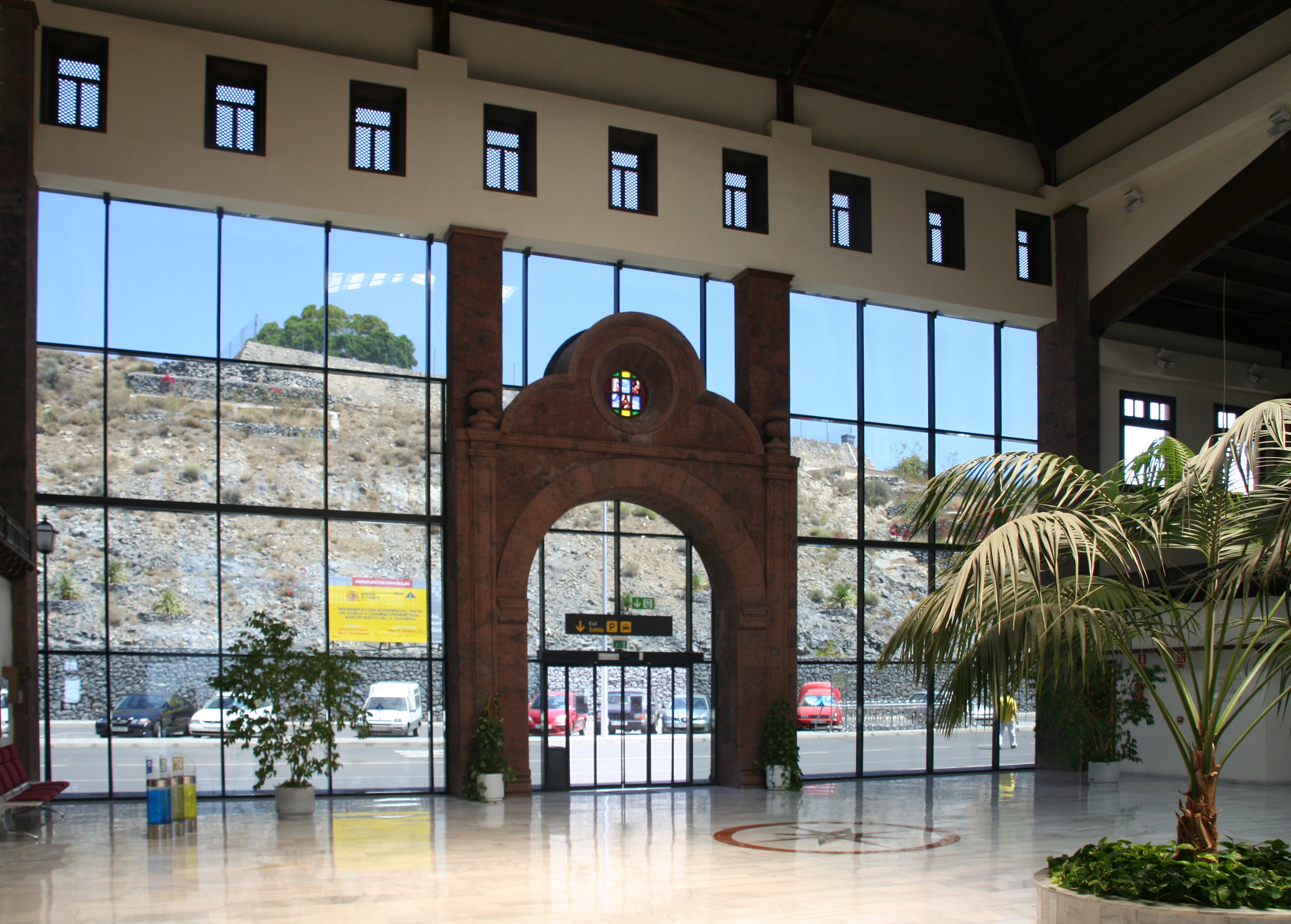
The evacuation took place in Tenerife, located in Spain's Canary Islands [2]. Passengers were transported via aircraft to Madrid, where they were scheduled for treatment and evaluation at a military hospital [1, 2]. To prevent contamination during the transfer, staff at the Tenerife port operated in full protective gear [1].
Reports on the number of people aboard the vessel vary slightly, with one source stating there were more than 140 people [1] and another reporting 150 [3]. Among those on board were Spanish nationals and four Canadians [3].
There are conflicting reports regarding the health of the passengers during the evacuation. Some authorities said that none of the people aboard had shown symptoms at the time of departure [1]. However, other reports indicated that medics were working to evacuate two people who were experiencing symptoms [3].
The first evacuation plane departed for Madrid on Sunday [1]. The move was prompted by the need to conduct thorough medical evaluations and prevent the further spread of the suspected virus [3, 5].
Hantaviruses are typically transmitted to humans through contact with infected rodents. While rare, the virus can lead to hantavirus pulmonary syndrome, which affects the lungs and requires immediate medical intervention [5].
“Passengers were transported via aircraft to Madrid, where they were scheduled for treatment and evaluation at a military hospital.”
The use of a military hospital and protective gear suggests that Spanish health officials are applying a precautionary principle to manage the risk of a rare but potentially lethal pathogen. Because hantavirus is not typically transmitted person-to-person, the primary goal of the evacuation is likely to isolate potential cases and identify the environmental source of the infection on the vessel.
'%2F%3E%0A%20%20%20%20%3Crect%20width%3D'1600'%20height%3D'900'%20fill%3D'url(%23v)'%2F%3E%0A%20%20%20%20%3Cg%20opacity%3D'0.08'%20fill%3D'%23ffffff'%3E%0A%20%20%20%20%20%20%3Ccircle%20cx%3D'1420'%20cy%3D'180'%20r%3D'220'%2F%3E%0A%20%20%20%20%20%20%3Ccircle%20cx%3D'1500'%20cy%3D'760'%20r%3D'120'%2F%3E%0A%20%20%20%20%3C%2Fg%3E%0A%20%20%20%20%3Cline%20x1%3D'80'%20y1%3D'172'%20x2%3D'220'%20y2%3D'172'%20stroke%3D'%23ffffff'%20stroke-width%3D'3'%20stroke-opacity%3D'0.6'%2F%3E%0A%20%20%20%20%3Ctext%20x%3D'80'%20y%3D'140'%20font-family%3D'Inter%2C%20-apple-system%2C%20Helvetica%2C%20sans-serif'%20font-weight%3D'700'%20font-size%3D'28'%20fill%3D'%23ffffff'%20letter-spacing%3D'6'%3EHANNA%20%C2%B7%20NEWS%3C%2Ftext%3E%0A%20%20%20%20%3Ctext%20x%3D'80'%20y%3D'230'%20font-family%3D'Inter%2C%20-apple-system%2C%20Helvetica%2C%20sans-serif'%20font-weight%3D'600'%20font-size%3D'40'%20fill%3D'%23ffffffb3'%20letter-spacing%3D'4'%3EWORLD%3C%2Ftext%3E%0A%20%20%20%20%3Ctext%20x%3D'80'%20y%3D'622'%20font-family%3D'Playfair%20Display%2C%20Georgia%2C%20serif'%20font-weight%3D'800'%20font-size%3D'86'%20fill%3D'%23ffffff'%20letter-spacing%3D'-1'%3EBus%20Collision%20on%3C%2Ftext%3E%3Ctext%20x%3D'80'%20y%3D'721'%20font-family%3D'Playfair%20Display%2C%20Georgia%2C%20serif'%20font-weight%3D'800'%20font-size%3D'86'%20fill%3D'%23ffffff'%20letter-spacing%3D'-1'%3EDelhi-Mumbai%20Expressway%3C%2Ftext%3E%3Ctext%20x%3D'80'%20y%3D'820'%20font-family%3D'Playfair%20Display%2C%20Georgia%2C%20serif'%20font-weight%3D'800'%20font-size%3D'86'%20fill%3D'%23ffffff'%20letter-spacing%3D'-1'%3ELeaves%20Up%20to%208%20Dead%3C%2Ftext%3E%0A%20%20%20%20%3Ctext%20x%3D'80'%20y%3D'870'%20font-family%3D'Inter%2C%20-apple-system%2C%20Helvetica%2C%20sans-serif'%20font-weight%3D'500'%20font-size%3D'22'%20fill%3D'%23ffffff66'%20letter-spacing%3D'2'%3Enews.hanna-ai.com%3C%2Ftext%3E%0A%20%20%3C%2Fsvg%3E)

