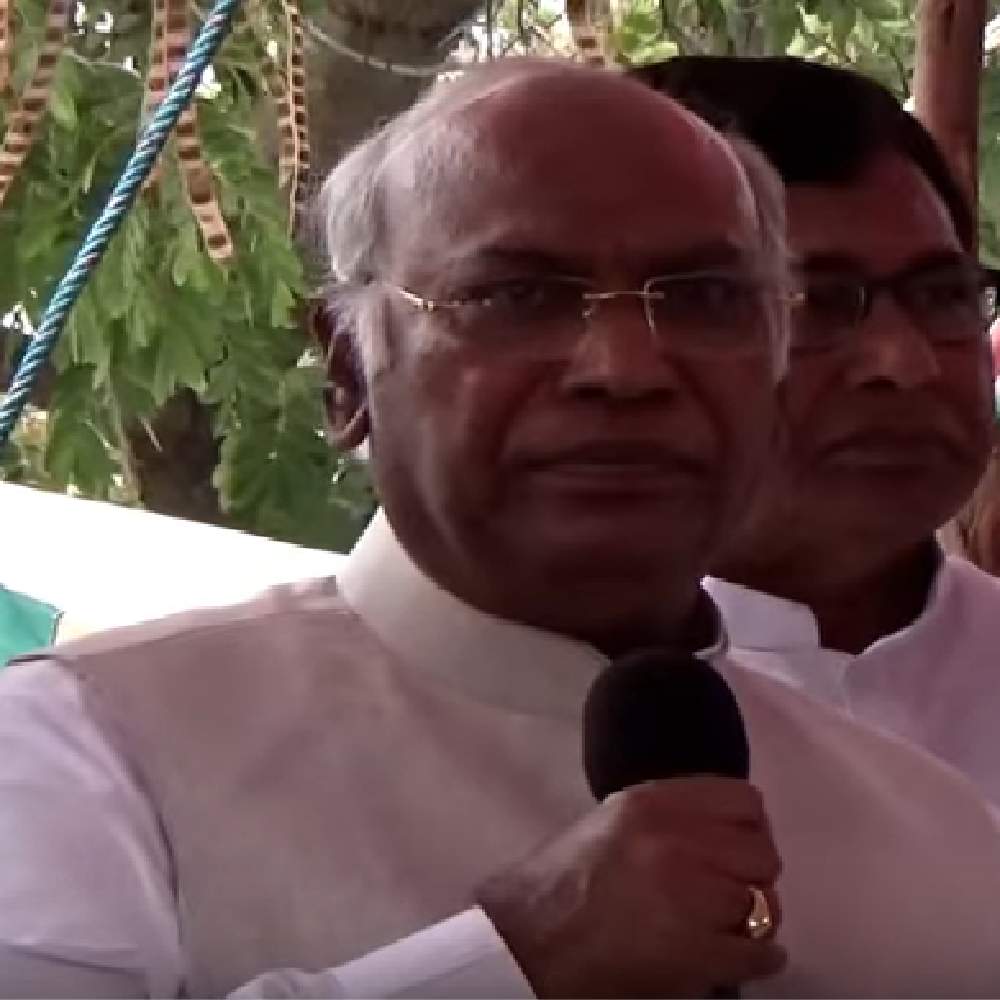
Union Health Minister JP Nadda visited Ram Manohar Lohia (RML) Hospital in New Delhi on Tuesday to review the treatment of injured CJP protesters [1].
The visit follows a violent clash between police and demonstrators during the 'Chalo Sansad' march on Monday. The government's direct involvement in overseeing medical care highlights the volatility of the protests and the scale of the casualties involved in the confrontation.
Nadda met with medical staff at the facility to discuss the condition of the patients and ensure that necessary care is being provided [1]. The minister's review focused on those injured during the march and the subsequent police action [2].
Data regarding the casualties of the protest indicates a significant number of injuries on both sides. Reports said that around 60 protesters were injured during the events [3]. Meanwhile, the number of injured police personnel is reported to be over 118 [3].
In addition to RML Hospital, the health minister also visited Lady Hardinge Hospital to check on the status of the injured [1]. The coordinated visits suggest an effort by the health ministry to manage the medical fallout from the civil unrest across multiple city facilities.
These visits occur as the government manages the aftermath of the 'Chalo Sansad' march, which sought to bring protesters to the parliament. The medical briefings provided to Nadda are intended to assess the severity of the injuries, and the adequacy of the hospital response during the emergency influx of patients.
“Union Health Minister JP Nadda visited Ram Manohar Lohia (RML) Hospital in New Delhi on Tuesday”
The visit by the Union Health Minister signals the Indian government's attempt to mitigate the political fallout from the 'Chalo Sansad' march. By personally overseeing the medical treatment of protesters, the administration aims to demonstrate a commitment to humanitarian care despite the clash. However, the disparity in injury numbers—with police casualties significantly outnumbering protesters—reflects the intensity of the confrontation and the potential for further civil unrest.