
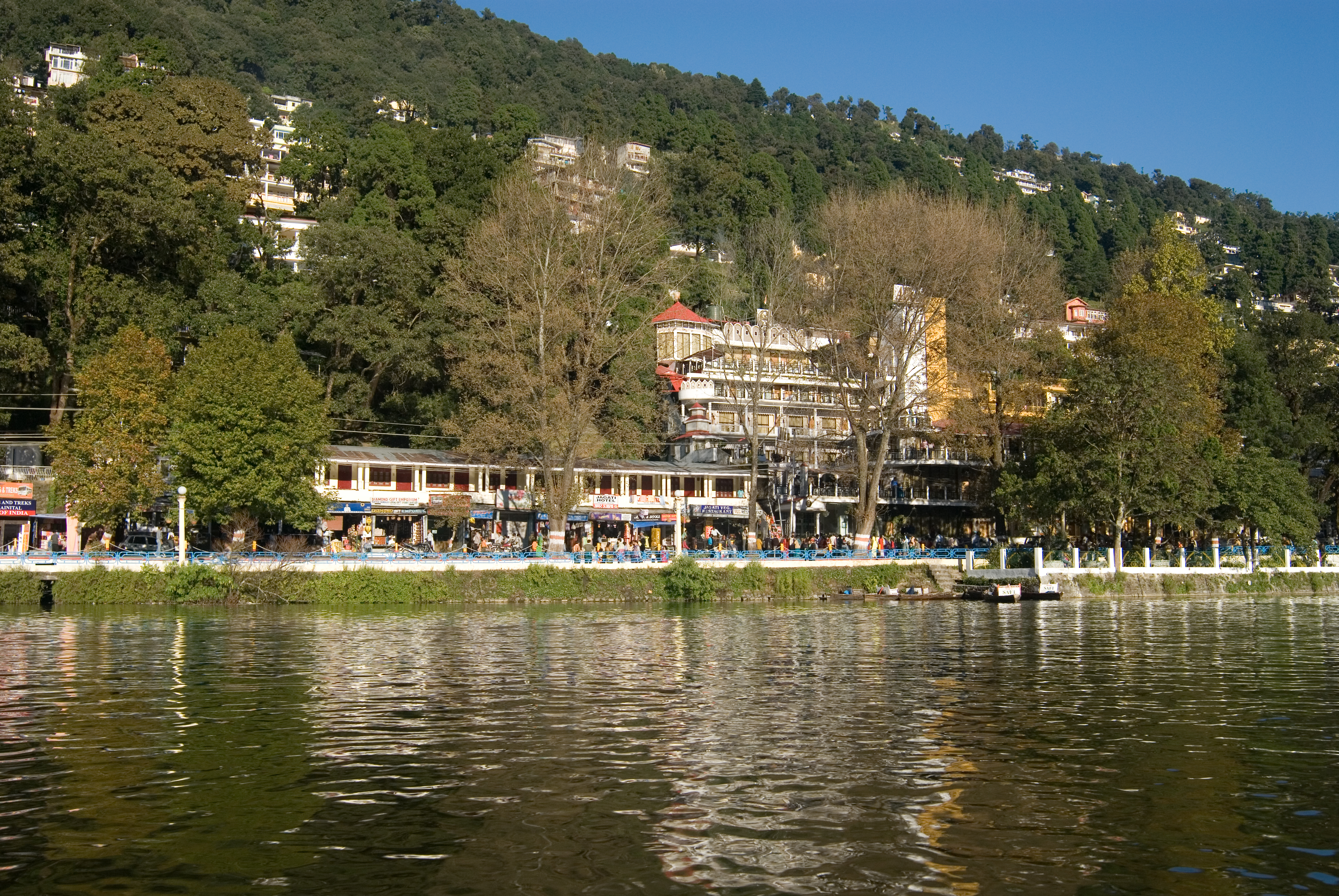
Thousands of tourists have flooded into Nainital, Uttarakhand, causing massive vehicle queues and traffic congestion across the hill station [1].
This surge puts significant pressure on the local infrastructure of the mountain town. When visitor volume exceeds the capacity of the narrow roads, it slows emergency services and disrupts the daily lives of residents.
The influx of travelers is attributed to the pleasant weather conditions currently affecting the region [1]. This seasonal appeal has drawn thousands [1] of people to the area, resulting in long lines of cars on key routes leading into and through the town.
Local authorities are managing the overflow as the summer period continues. The congestion is most evident on the primary roads where the volume of tourist vehicles has surpassed the available parking and transit capacity [1].
While the increase in tourism provides a boost to the local economy, the resulting gridlock highlights the ongoing challenge of balancing tourism growth with environmental, and logistical sustainability in the Himalayas.
“Thousands of tourists have flooded into Nainital”
The situation in Nainital reflects a broader trend of 'overtourism' in Indian hill stations, where seasonal weather spikes lead to infrastructure failure. The inability of narrow mountain roads to handle thousands of additional vehicles suggests a need for stricter visitor quotas or improved public transit to prevent total gridlock during peak summer months.


