
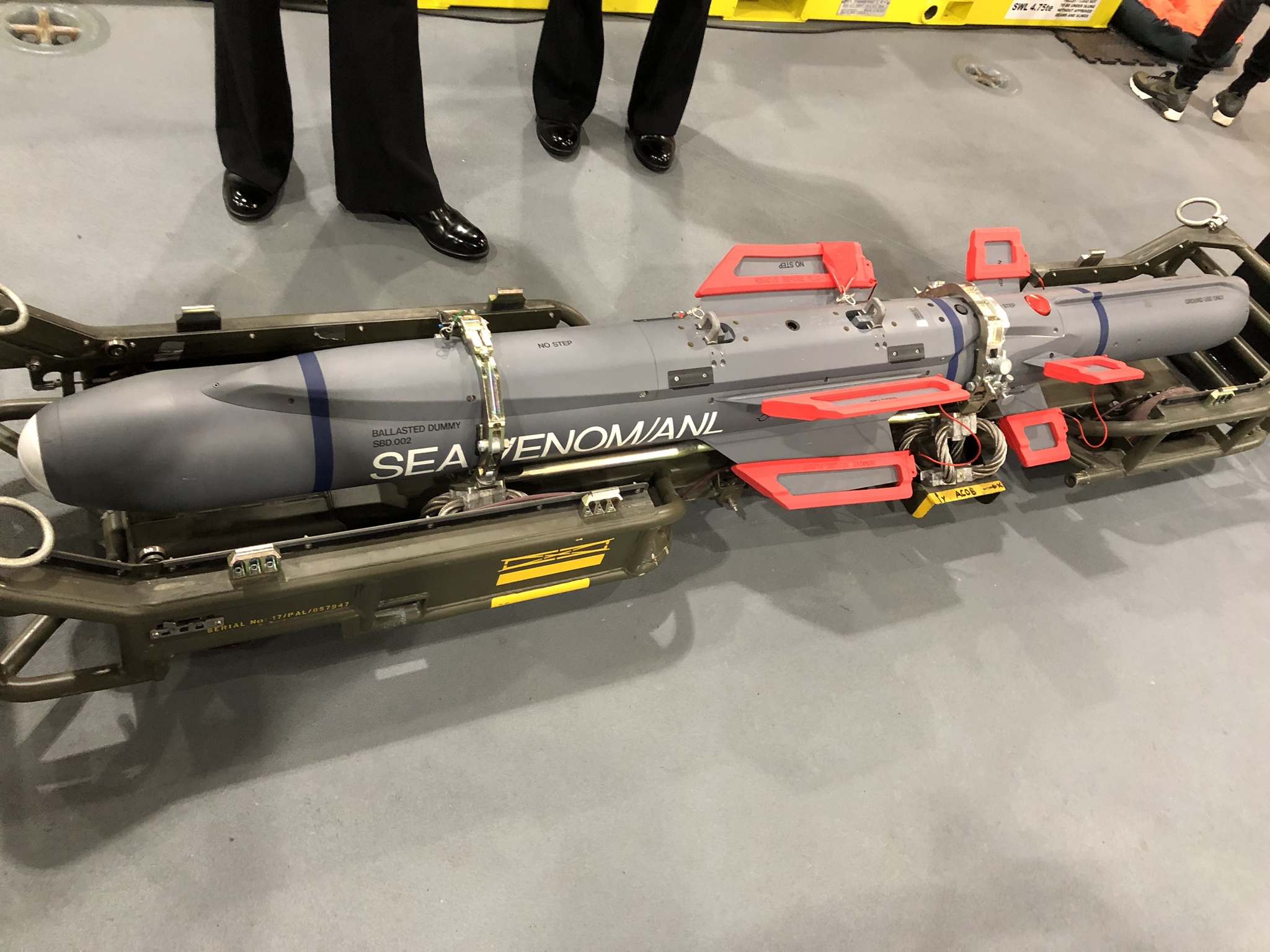
A joint government investigation has identified Iran as the likely attacker after the vessel Namuhho was struck by an anti-ship missile.
The finding marks a significant escalation in maritime security tensions, as the identification of specific state-made hardware links a sovereign nation to the strike. This attribution follows a detailed forensic analysis of the debris recovered from the site.
Investigators determined that the Namuhho was positioned approximately 100 km from the Iranian coast [1]. This location falls within the operational range of anti-ship missiles produced by Iran [1]. The strike was carried out by a flying object that officials have now identified as an Iranian-made weapon.
According to the investigation, the missile's engine and specific markings matched hardware manufactured in Iran. The evidence includes similarities to Iranian turbojet engines, and the presence of manufacturer stamps on the components.
Park Yun-ju, the Deputy Minister of Foreign Affairs, said the engine was similar to an Iranian turbojet engine and that markings believed to be from an Iranian manufacturer were confirmed on the parts.
While the hardware has been traced back to the country, officials said the specific intent behind the attack remains under review. The investigation focused on the physical characteristics of the weapon to establish the origin of the strike rather than the immediate motive.
Government officials continue to analyze the data to determine if the missile was launched by the Iranian state or another entity utilizing Iranian technology. The proximity of the vessel to the coast remains a primary factor in the current assessment.
“The vessel Namuhho was struck by a flying object identified as an Iranian-made anti-ship missile.”
The attribution of the attack to Iranian hardware suggests a high level of technical confidence by investigators, yet the lack of a confirmed motive indicates a cautious diplomatic approach. By focusing on the physical origin of the missile rather than immediate intent, the government is establishing a factual baseline before pursuing formal diplomatic or military responses.


