Researchers are developing radiative-cooling nanoparticle paints that reflect sunlight and emit infrared radiation to lower building temperatures.
This technology could significantly reduce the global reliance on air conditioning, lowering greenhouse-gas emissions, and increasing urban resilience during extreme heat waves.
Professor Ivan Parkin, a leading materials chemist, is among the researchers advancing these coatings. Parkin has authored more than 1,000 scientific publications [1] and maintains an h-index of 126 [2]. The work builds on a long history of materials science, tracing back to Michael Faraday’s ruby-gold experiments in 1857.
Modern laboratory work and commercial prototypes developed between 2024 and 2025 focus on the use of nanoparticles to manage thermal energy. Unlike standard white paint, which merely reflects visible light, these specialized coatings are designed to emit heat back into space. This process allows building façades to cool down even under direct sunlight.
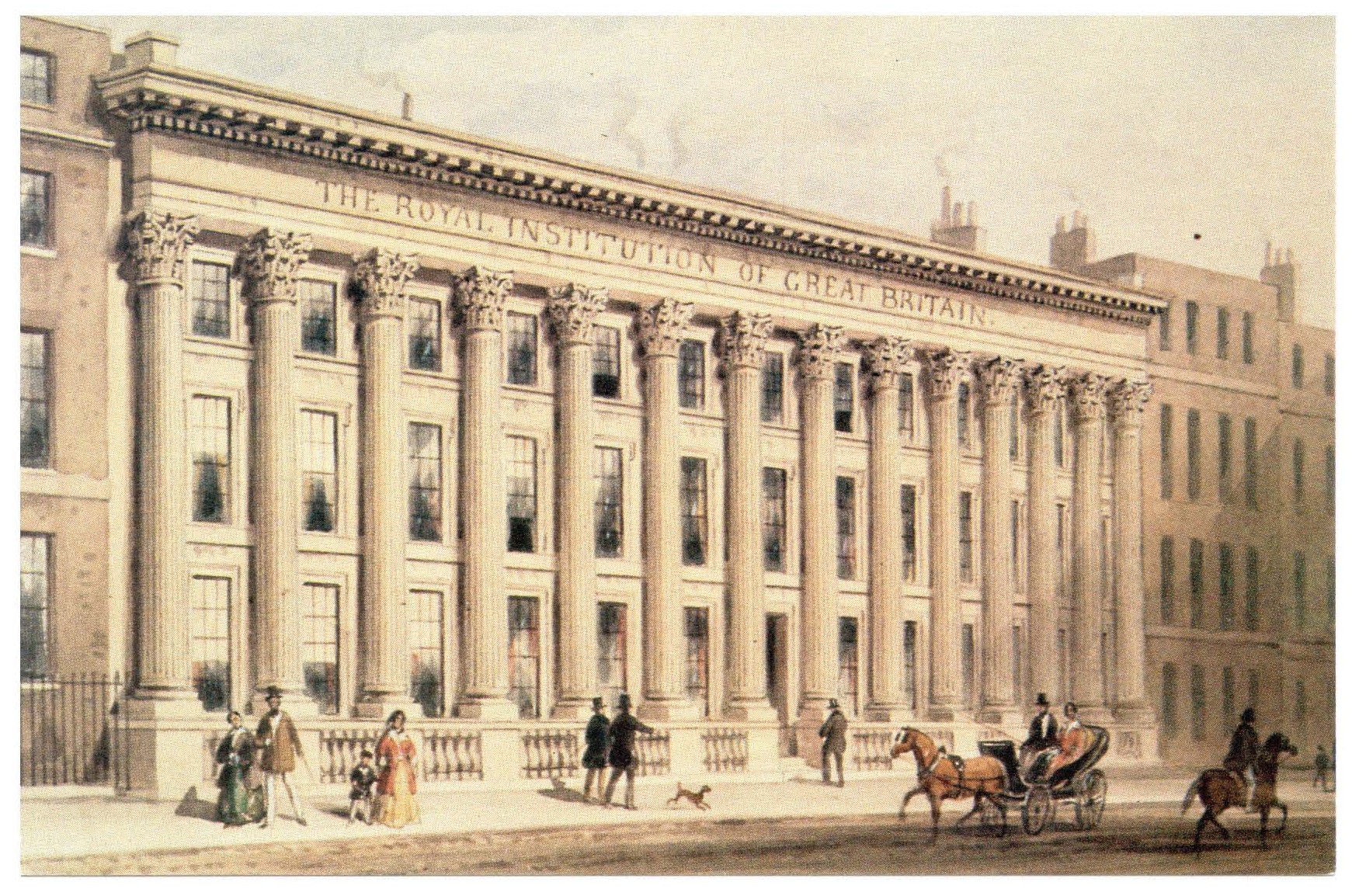
Originally demonstrated at the Royal Institution building, the application of these paints is now expanding to building façades worldwide. By reflecting a high percentage of solar radiation and utilizing the atmospheric window to shed heat, the coatings create a passive cooling effect.
This passive approach targets the energy-intensive nature of HVAC systems. By lowering the baseline temperature of a structure, the paints reduce the amount of electricity required to maintain comfortable indoor environments. The goal is to provide a scalable solution for cities facing rising temperatures without increasing their carbon footprint.
“Radiative-cooling nanoparticle paints reflect sunlight and emit infrared radiation to lower building temperatures.”
The shift toward passive cooling materials represents a move away from energy-dependent climate control. If radiative-cooling paints can be scaled commercially, they may decouple urban cooling from electricity consumption, mitigating the 'urban heat island' effect and reducing the peak load on electrical grids during summer months.